
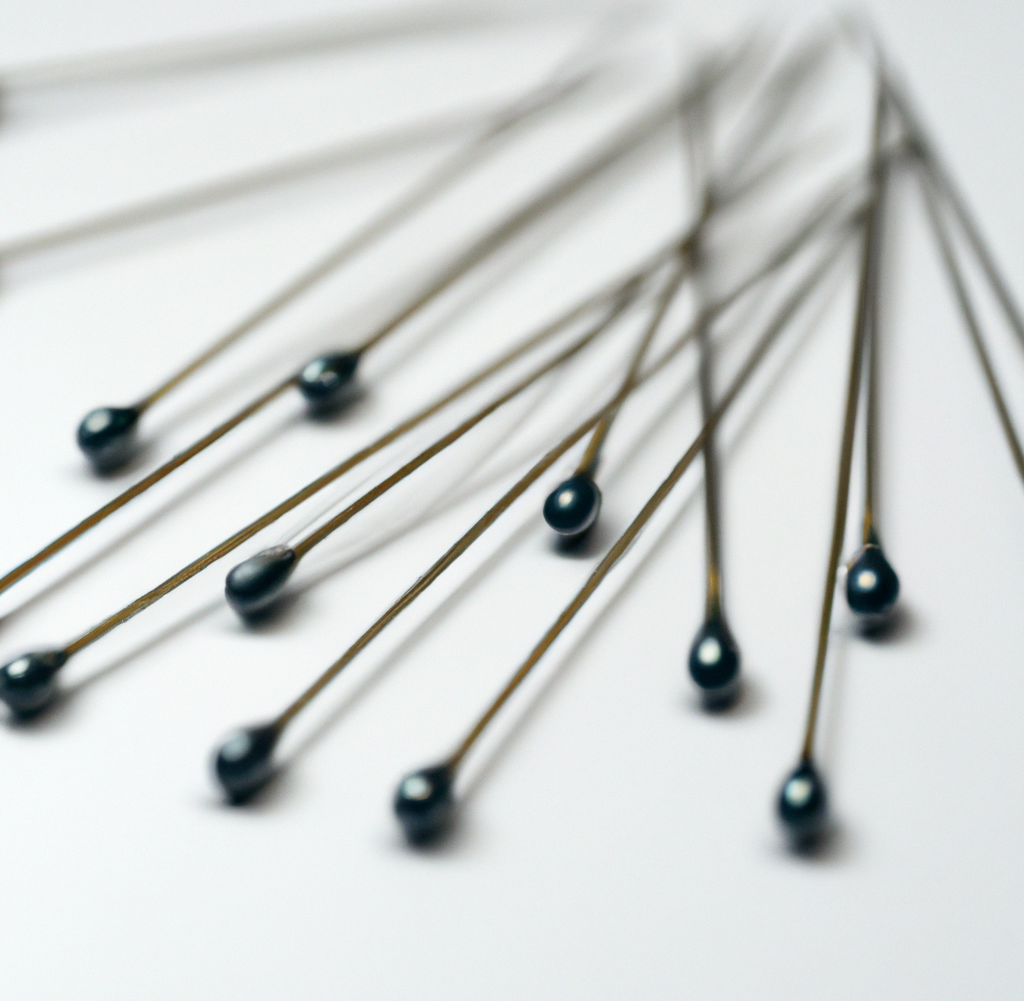
Acupuncture is sometimes presented as a natural way to stop smoking, reduce nicotine cravings and ease withdrawal symptoms. It is particularly popular among people looking for an alternative to nicotine replacement products or medication. But does it actually help people quit smoking? What does the scientific evidence tell us?
What is acupuncture?
Acupuncture is a traditional Chinese practice in which very fine needles are inserted into specific points on the body. For smoking cessation, treatment often involves stimulating points around the ears, hands and other parts of the body. Some practitioners also use ear acupuncture (auricular acupuncture), in which needles are placed at specific points on the outer ear.
The treatment is based on the idea that stimulating these points may influence the nervous system and help regulate certain bodily functions. In the context of smoking cessation, it is intended to reduce nicotine cravings, anxiety, irritability and other withdrawal symptoms.
What does the scientific evidence say?
Acupuncture has been studied in numerous clinical trials, but there is little convincing evidence that it helps smokers quit. A Cochrane review (which is an authoritative souce) that included 38 randomized clinical trials concluded that:
The review did not find consistent evidence that active acupuncture or related techniques increased the number of people who could successfully quit smoking. However, some techniques may be better than doing nothing, at least in the short term, and there is not enough evidence to dismiss the possibility that they might have an effect greater than placebo
In its 2024 smoking cessation guidelines, the World Health Organization (WHO) concluded that the evidence is currently insufficient to recommend acupuncture or acupressure for quitting tobacco.
Should you try acupuncture to quit smoking?
However, if you find that acupuncture helps you relax or can provide support during the quitting process, you may want to try it, but acupuncture should not be used as a substitute for treatments that have been proven effective for smoking cessation. Nicotine replacement therapy, medications such as varenicline and cytisine, and behavioural support have much stronger scientific evidence behind them.
If you decide to try acupuncture, choose a qualified practitioner who uses sterile, single-use needles. Acupuncture is generally considered safe when performed by a properly trained professional, although minor bleeding, bruising or temporary soreness can occur.
Please use the Comments field below to share your experience or to suggest improvements to this article.
Rate this article by clicking on the desired number of stars:
References:
- World Health Organization (2024). WHO clinical treatment guideline for tobacco cessation in adults. (https://www.who.int/publications/b/74755
- White AR, Rampes H, Liu JP, Stead LF, Campbell J. Acupuncture and related interventions for smoking cessation. Cochrane Database of Systematic Reviews 2014, Issue 1. Art. No.: CD000009. https://doi.org/10.1002/14651858.CD000009.pub4.




Leave a Reply