Tag: quit smoking

  • E-cigarettes to quit smoking

    E-cigarettes to quit smoking

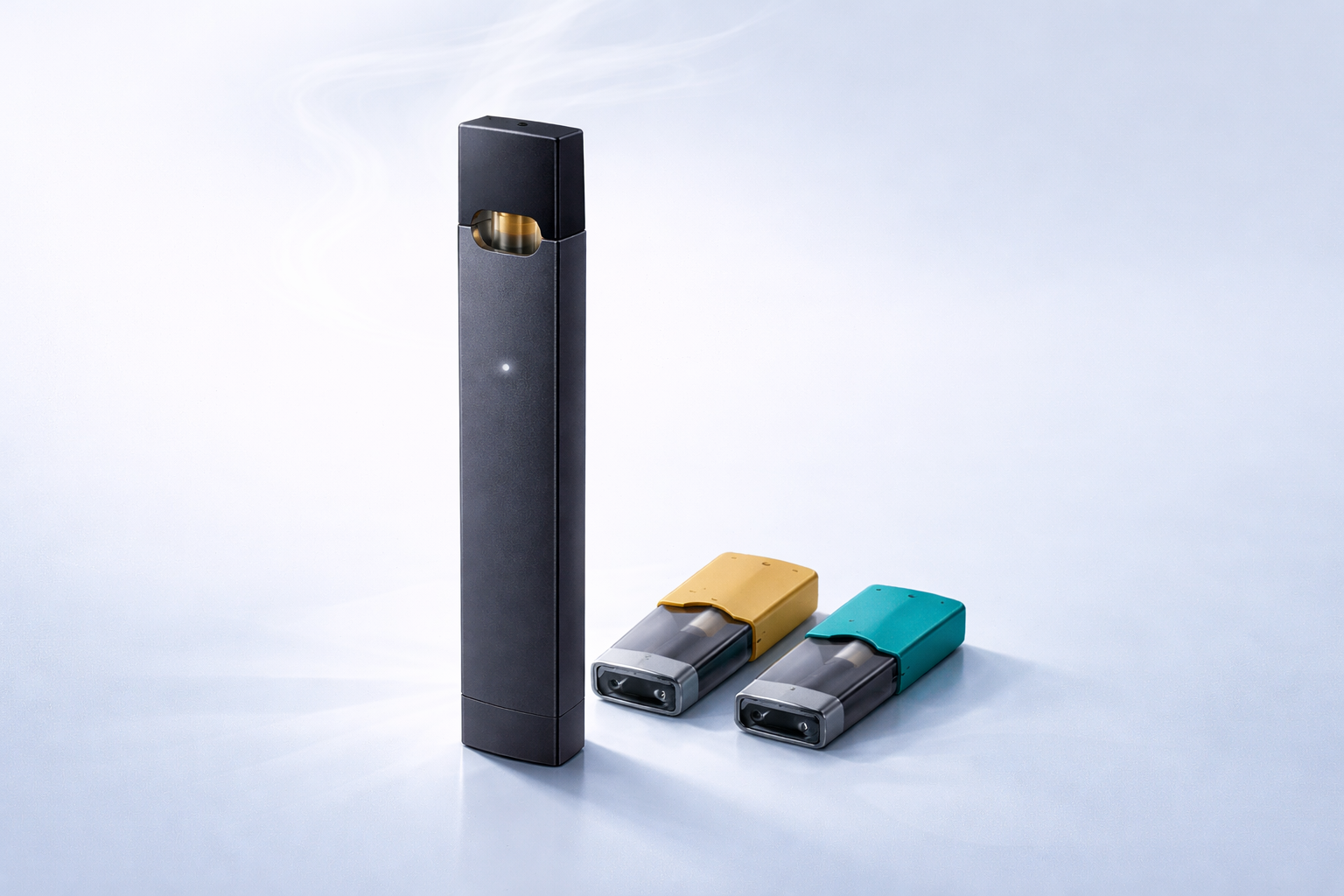
    Electronic cigarettes (e-cigarettes or vapes) are an alternative to traditional cigarettes and a tool to help smokers quit.


    What are e-cigarettes?

    E-cigarettes are devices that heat a liquid (usually containing nicotine, flavorings, and other chemicals) to produce an aerosol that is inhaled. Unlike conventional cigarettes, they do not burn tobacco and therefore do not produce tar or carbon monoxide—two of the most harmful components of cigarette smoke. The aerosol still contains substances that can affect health, although at much lower levels than cigarette smoke.


    How effective are e-cigarettes for quitting smoking?

    Evidence suggests that e-cigarettes can help some smokers quit, particularly when compared to no support or to traditional nicotine replacement therapies. Clinical trials have shown that smokers using nicotine-containing e-cigarettes are more likely to quit than those using nicotine patches or gum.

    Behavioral support—such as counseling or structured quit programs—significantly improves success rates when combined with e-cigarettes.


    Who should consider using e-cigarettes?

    E-cigarettes may be appropriate for smokers who are looking for an alternative source of nicotine with fewer toxic exposures, they are not recommended for non-smokers.


    How to use e-cigarettes effectively to quit

    First, choose a device, flavor and nicotine level that adequately replaces your cigarette and prevent cravings. If the nicotine dose is too low, you may relapse to smoking. Take our test to determine the nicotine strength you need in your e-liquid.

    Second, set a clear goal to quit smoking completely. Some people switch from traditional cigarettes to e-cigarettes within a few days or weeks. Others, however, may need to use both e-cigarettes and cigarettes (dual use)for a while before they can quit smoking completely, which is perfectly normal.

    Third, use the e-cigarette regularly to prevent and manage cravings, rather than waiting until urges become overwhelming.

    Fourth, combine vaping with behavioral strategies. Identify triggers, change routines, and develop coping mechanisms, just as you would with any quit attempt.


    How long should e-cigarettes be used after quitting?

    There is no “ideal” duration; some people use e-cigarettes as a temporary solution, while for others, they replace cigarettes and become a permanent habit.

    Gradual reduction in frequency or nicotine strength is not recommended if you still experience nicotine withdrawal symptoms when you reduce. Some individuals may need long-term use at a sufficient dosage, particularly those with a strong dependence on nicotine.

    The basic principle is to take a sufficient dose of nicotine for a long enough period to avoid withdrawal symptoms and prevent a relapse into smoking.


    Reference:

    Lindson N, Livingstone-Banks J, Butler AR, McRobbie H, Bullen CR, Hajek P, Wu AD, Begh R, Theodoulou A, Notley C, Rigotti NA, Turner T, Fanshawe T, Hartmann-Boyce J. Electronic cigarettes for smoking cessation. Cochrane Database of Systematic Reviews 2025, Issue 11. Art. No.: CD010216. DOI: 10.1002/14651858.CD010216.pub10.


  • Check-list

    Check-list

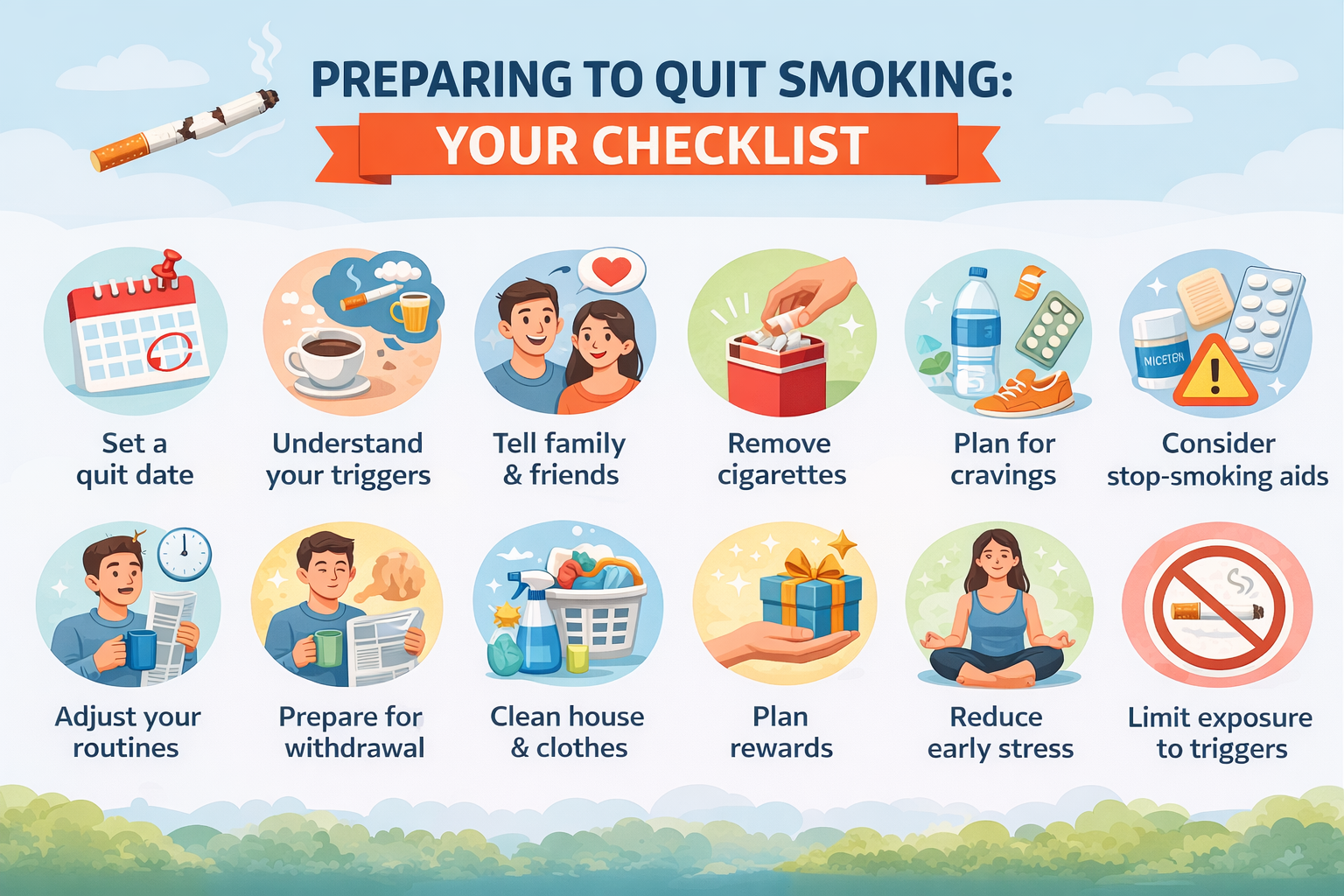
    Quitting smoking is much easier when you prepare in advance. A well-planned quit attempt increases your chances of success and helps you handle cravings and challenges with confidence. Here is a practical checklist to guide you before your quit day.

    ⏹️ Start by setting a clear quit date. Choose a specific day within the next one to two weeks so you have enough time to prepare, but not so much that you lose motivation. Mark it in your calendar and treat it as an important commitment.

    ⏹️ Take time to understand your smoking habits. Notice when and why you smoke, whether it is with coffee, during stress, or out of boredom. Identifying these patterns will help you anticipate difficult moments and plan alternatives.

    ⏹️ Tell the people around you that you are quitting. Inform family, friends, and colleagues so they can support you. Their encouragement can make a significant difference, especially during the first few days.

    ⏹️ Seek help from a doctor, nurse, or psychologist who specializes in nicotine addiction, or call a helpline.

    ⏹️ Remove cigarettes and smoking-related items from your environment. Throw away cigarettes, lighters, and ashtrays from your home, car, and workplace. A clean environment reduces temptation.

    ⏹️ Plan how you will handle cravings. The best way is to take nicotine medications (patch, gum). Think ahead about what you will do when the urge to smoke appears. Simple strategies such as waiting for 5 minutes (the craving will pass), drinking water, going for a short walk, or taking deep breaths can help cravings pass. You may also want to use e-cigarettes, nicotine pouches or heated tobacco.

    ⏹️ Consider using stop-smoking aids. Nicotine replacement therapies such as patches, gum, or lozenges can reduce withdrawal symptoms. Other medications may also be helpful if recommended by a healthcare professional.

    ⏹️ Change your routines if they are strongly linked to smoking. For example, if you usually smoke with your morning coffee, consider changing your drink or location. Small adjustments can break powerful associations.

    ⏹️ Prepare for withdrawal symptoms. Irritability, restlessness, and increased appetite are common but temporary, but weight gain may be permanent. Knowing this in advance helps you stay focused and avoid discouragement.

    ⏹️ Clean your home and clothes. Removing the smell of smoke from your surroundings can make the transition feel fresh and reinforce your decision to quit.

    ⏹️ Plan rewards for yourself. Decide how you will celebrate milestones such as one day, one week, and one month without smoking. Rewards help maintain motivation.

    ⏹️ Reduce stress before your quit day. Try relaxation techniques such as deep breathing, light exercise, or meditation. Managing stress will make it easier to cope without cigarettes.

    ⏹️ Limit exposure to triggers in the first days. Avoid situations where you are strongly tempted to smoke, such as social settings with other smokers, until you feel more confident.

    ⏹️ Remind yourself why you are quitting. Write down your personal reasons, whether they are related to health, family, or finances. Keep this list visible and revisit it often.

    ⏹️ Finally, accept that quitting is a process. You may face challenges along the way, and you may need several quit attempts before you succeed, but each attempt brings you closer to success.


  • Strategies to stop smoking

    Strategies to stop smoking

    Here are some strategies used by people who have successfully quit smoking: commit to changing and sticking with it, take control, reassess the risks, seek support from those around you, manage cravings, control triggers, use non-combustible nicotine, and reflect on your own behavior.

    Risk assessment

    You should reassess the risk of smoking: seek and read information on the risks of smoking and take time to reflect about it, tell yourself that smoking will shorten your life, consider that smoking may give you lung cancer, think about the effects of smoking on your lungs and heart.

    Commitment to change

    You need to be fully committed to making a change: set a date to quit smoking and stick to it. There’s no better time than now, so pick a date to quit smoking in the next few days. Tell yourself that you’re tired of being dependent on cigarettes, that you’d be in better physical shape if you quit, and think about the benefits you’ll gain by quitting.

    Taking control

    To avoid the temptation to smoke, you should stay away from places were people smoke. You should ask other people not to smoke in my home or in your presence. You can try to spend a whole evening without smoking. After meals, you should keep yourself busy rather than smoke, and you should wait as long as you can before you light your first cigarette for the day.

    Search for and get help

    You should tell others about your effort to quit smoking, ask friends and family for support to help you quit smoking, and seek help from a doctor, nurse, or psychologist who specializes in nicotine addiction, or from a helpline.

    Managing the urge to smoke

    To deal with your craving for cigarettes, you should take non-combustible nicotine, and you can concentrate on other things and keep busy to overcome the urge to smoke.

    Obtaining nicotine from non-combustible sources

    If your brain doesn’t get enough nicotine, you’ll experience very unpleasant withdrawal symptoms (craving, depressed mood, anger, anxiety, irritability, impatience, insomnia, difficulty concentrating, increased appetite and weight gain. You should obtain a sufficient dose of nicotine from non-combustible sources for at least 3 months after quitting smoking, and if necessary for several years—whether through nicotine replacement therapy (patches, gum), e-cigarettes, nicotine pouches, snus, or heated tobacco. Take our test to determine how much nicotine you need.

    For ex-smokers:

    Commitment to maintain change

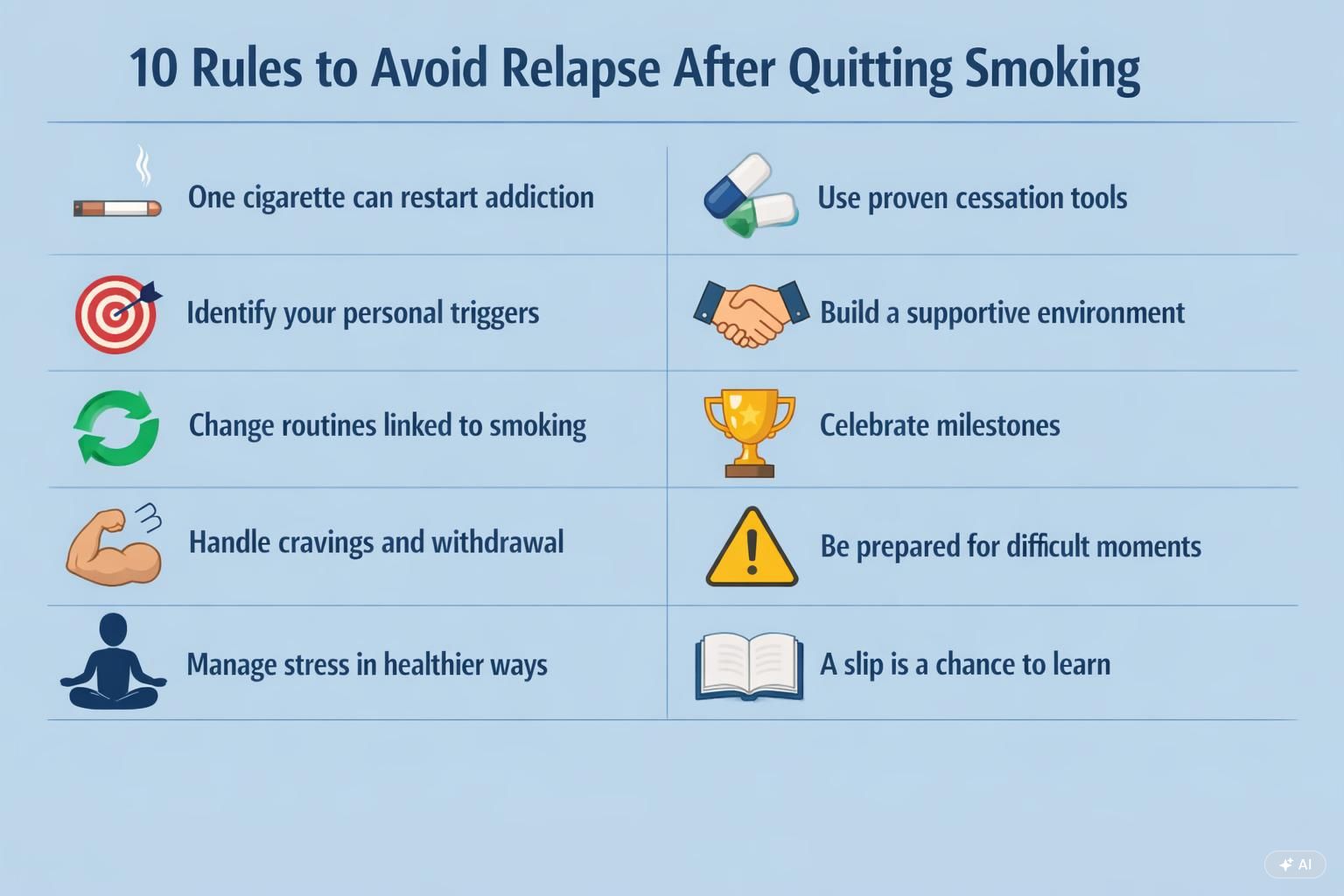
    You should promise yourself never to smoke again, tell the people around you about your efforts to quit, think of ways to overcome the urge to smoke, and try again if you fail. You could treat yourself to a gift to celebrate your success, using the money you’ve saved on cigarettes.

    Self-reassessment

    You can be proud of yourself for quitting smoking and feel a sense of accomplishment. You may feel stronger than those who continue to smoke.


    Please use the ‘Comments’ field below to share your experience and to suggest improvements to this article.


  • Cannabis and tobacco

    Cannabis and tobacco

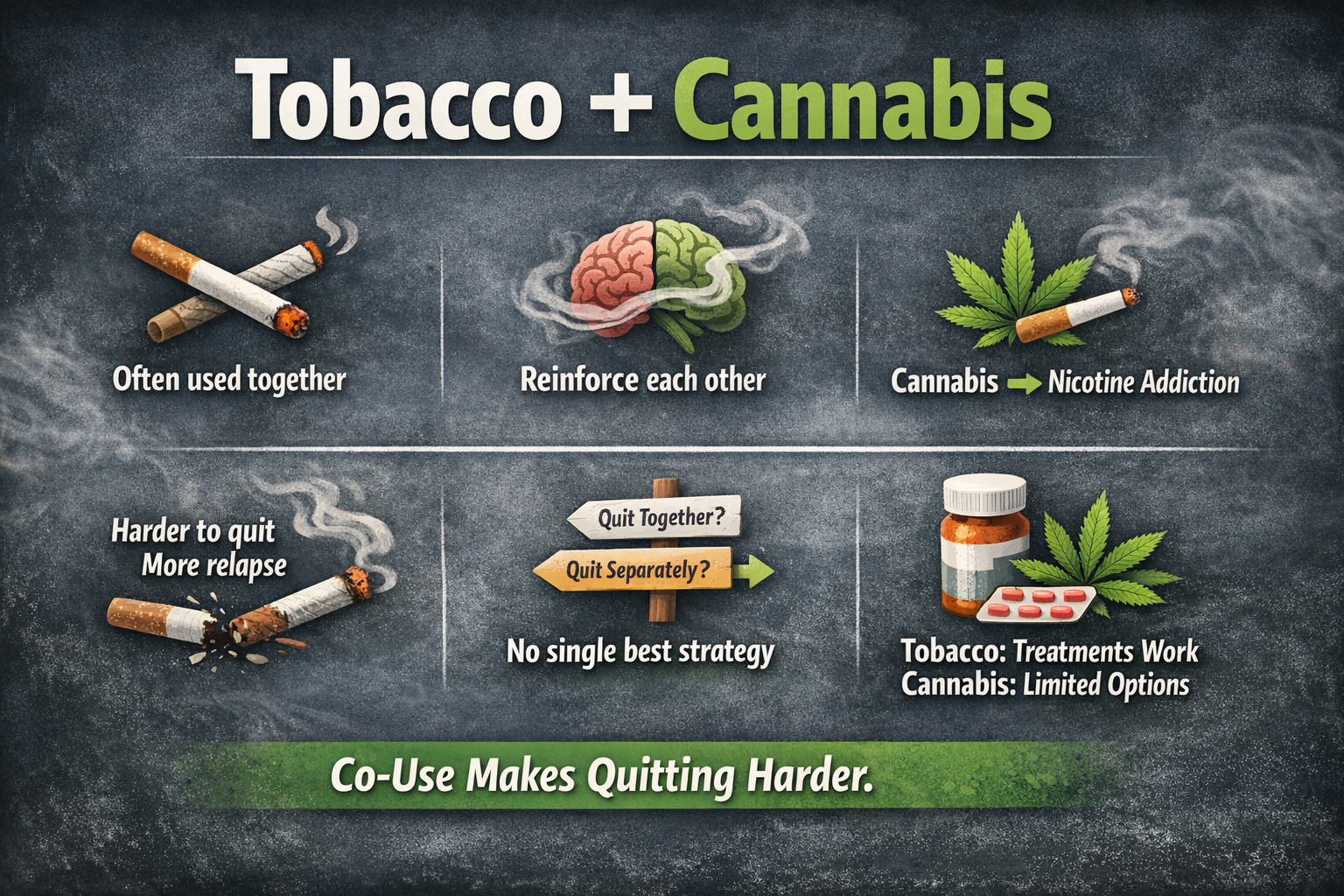
    The article explains how tobacco and cannabis reinforce each other biologically and behaviorally. While THC and nicotine target distinct but interacting systems in the brain, cannabis often acts as a gateway that leads to or sustains nicotine addiction. Because cannabis use is a major trigger for tobacco relapse, experts generally recommend quitting both simultaneously to break the cycle. While specific medications for cannabis are limited, combining traditional nicotine replacement therapy with behavioral support offers the best chance at a clean break.

    A shared landscape of use

    Globally, tobacco remains one of the most widely consumed psychoactive substances, with more than a billion users. Cannabis, once more marginal, now counts nearly 200 million users worldwide. What is striking is not only the scale of each phenomenon, but their intersection. Among people who use tobacco, cannabis use is disproportionately common, and vice versa. In some populations, more than half of cannabis users also smoke tobacco (1).

    This overlap is not incidental. In countries where both substances are widely available, roughly one in three tobacco users also consumes cannabis (2), and daily cannabis use is markedly higher among smokers than among non-smokers (3). Among young users of nicotine products, co-use rates can exceed 50% (4). What emerges is not two parallel epidemics, but a shared behavioral ecosystem.

    Why people use both

    The reasons for co-use are as much cultural as they are pharmacological. For some, tobacco enhances the psychoactive effects of cannabis; for others, cannabis softens the stimulation of nicotine. Mixing the two is common practice in many regions.

    But beyond habit and ritual lies a deeper interaction. Users report that one substance can trigger cravings for the other, or serve as a substitute when the preferred drug is unavailable. This behavioral coupling reflects overlapping reward pathways in the brain, where both nicotine and THC act on interconnected neurochemical systems.

    Social context also plays a decisive role. Initiation often occurs in shared environments—peer groups, nightlife, or informal settings—where the boundary between substances is blurred. Over time, this proximity fosters conditioning: the act of smoking, regardless of the substance, becomes a cue in itself.

    From cannabis use to nicotine dependence

    One of the most underappreciated pathways in addiction is the role cannabis can play in initiating or reinforcing nicotine dependence. This occurs through several mechanisms.

    First, co-administration—mixing tobacco with cannabis—introduces nicotine to individuals who might not otherwise use tobacco. This is particularly evident when cannabis is consumed with tobacco rather than in pure form.

    Second, repeated exposure to nicotine, even at low doses, can lead to dependence. Evidence suggests that cannabis users who also smoke tobacco exhibit higher levels of nicotine dependence than those who smoke cigarettes alone.

    Third, the relationship is bidirectional. Tobacco use appears to increase the risk of cannabis dependence and relapse, while cannabis use increases the likelihood of developing nicotine dependence and makes quitting tobacco more difficult.

    In short, cannabis does not merely coexist with tobacco; it can act as a gateway into sustained nicotine addiction.

    Nicotine, THC, and the brain

    Nicotine and THC operate through distinct but interacting systems in the brain. Nicotine stimulates nicotinic acetylcholine receptors, leading to the release of dopamine in reward circuits. THC, the main psychoactive compound in cannabis, acts primarily on the endocannabinoid system, modulating neurotransmitter release and influencing mood, memory, and perception.

    Where it becomes complex is in their interaction. Experimental and clinical studies suggest that nicotine may partially offset some cognitive impairments associated with cannabis use, particularly in memory (5). This “compensatory” effect may reinforce co-use: users perceive a functional benefit in combining the two.

    At the same time, the endocannabinoid system appears to play a role in nicotine dependence itself, influencing craving and withdrawal. The two substances are not simply additive; they are biologically intertwined.

    Quitting tobacco in the context of cannabis use

    One of the most challenging realities is that cannabis use complicates smoking cessation. People who use both substances tend to experience more intense withdrawal symptoms during tobacco quit attempts, at least in the early stages (6).

    Relapse is also more common. Cannabis can act as a trigger—both behaviorally and neurochemically—reactivating the urge to smoke tobacco. Conversely, quitting tobacco may lead some individuals to increase cannabis use as a form of compensation, a phenomenon observed in several studies.

    The evidence is not entirely consistent, but the overall picture is clear: co-use introduces instability into the quitting process.

    Quit together or separately?

    This question has no universal answer, and the scientific literature reflects that ambiguity. Some data suggest that addressing both substances simultaneously may prevent substitution effects and improve overall outcomes. Others indicate that focusing on one substance at a time may be more manageable for certain individuals.

    What is increasingly recognized is that co-users are not a homogeneous group (7). Patterns of use vary—simultaneous versus separate, daily versus occasional, dependent versus recreational—and these differences matter. Tailored approaches, rather than one-size-fits-all strategies, are likely to be more effective.

    Treatment options: what works, what doesn’t

    For tobacco cessation, the evidence base is strong. Nicotine replacement therapies, varenicline, cytisine and bupropion remain the cornerstone treatments, combined with behavioral support.

    For cannabis, the situation is more uncertain. No pharmacological treatment has yet demonstrated consistent efficacy for cannabis use disorder. Behavioral interventions—cognitive-behavioral therapy, motivational interviewing, contingency management—remain the primary tools.

    For people who use both substances, integrated treatment approaches are still rare. Clinical trials have only begun to address co-use directly, and the results are modest. Interventions may reduce cannabis consumption, but their impact on tobacco cessation is less clear (8).

    This gap reflects a broader issue: healthcare systems are still largely organized around single-substance models, while real-world use is increasingly multi-substance.


    Use the ‘Comments’ field below to share your experience and to suggest improvements to this article, or write a testimonial.


  • Alcohol and tobacco

    Alcohol and tobacco

    For many smokers, the link is visceral. The smell of beer or the taste of wine triggers an almost instinctive reflex to reach for a cigarette. This powerful link between tobacco and alcohol is not only a difficult habit to break, it is a synergistic threat that greatly amplifies the health risks, far beyond the sum of its parts. Understanding why these two substances are so often consumed together and the amplified dangers they create is crucial for anyone trying to break free from the grip of tobacco.

    The Science of the Sinister Pair

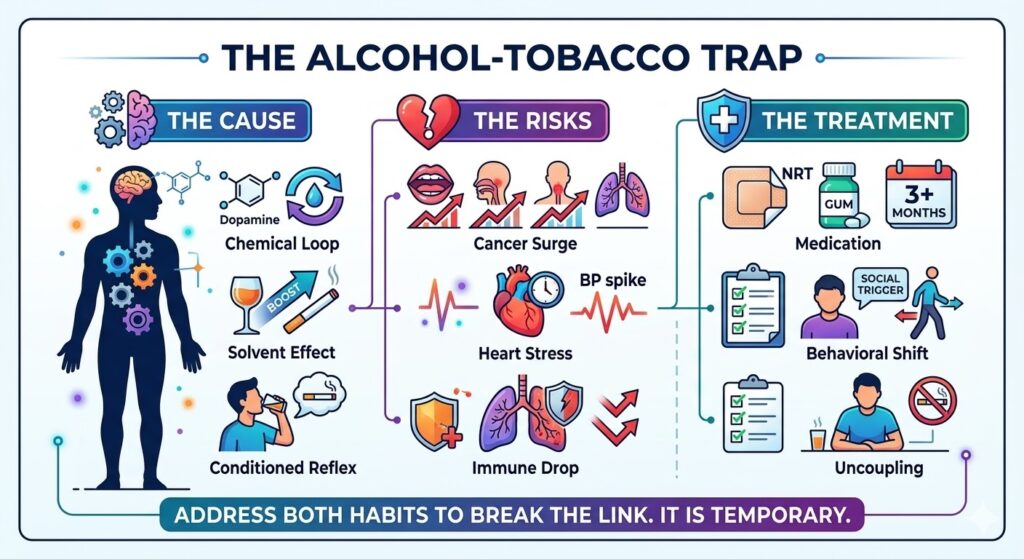
    Why do alcohol and tobacco seem so inseparable? The reason lies in the intricate interplay of chemistry and habit. Nicotine, a powerful stimulant, works on the brain’s reward pathways by releasing dopamine. Alcohol, conversely, is a central nervous system depressant. Paradoxically, alcohol can heighten the pleasant effects of nicotine while simultaneously dulling its stimulant edge. This can lead smokers to consume more cigarettes to maintain the desired effect, creating a escalating cycle. Beyond the physical, there is the powerful associative learning. Years of pairing cigarettes with drinks in social settings or during stress create potent neural pathways. The very atmosphere of a bar, or the taste of a specific beverage, becomes a signal to the brain, igniting a forceful craving.

    A Compound Crisis: The Amplified Health Threats

    While either habit alone is a significant health burden, consuming tobacco and alcohol together creates a compounding crisis. This synergy dramatically accelerates the risk of various cancers. Alcohol acts as a solvent, increasing the body’s absorption of the carcinogenic chemicals in tobacco smoke. Nowhere is this devastating teamwork more apparent than in cancers of the mouth, throat, and esophagus. Studies consistently show that the risk of developing these diseases is exponentially higher for combined users compared to those who only smoke or only drink. The relationship is not simply additive; it is multiplicative. Cardiovascular risks also surge. Both substances stress the heart and blood vessels—alcohol can raise blood pressure, while nicotine constricts arteries and boosts heart rate. Together, they form a perfect storm for heart attacks, strokes, and peripheral arterial disease. Respiratory diseases, too, are exacerbated, as alcohol weakens the immune response in the lungs, leaving them more vulnerable to the damage caused by tobacco smoke.

    Devising a Treatment Strategy: Breaking the Double Habit

    Successful cessation in the context of combined alcohol and tobacco use requires a comprehensive, integrated approach. The most effective strategies utilize a dual-pronged assault, combining pharmacological support with robust behavioral therapies. On the medication front, several options can help. Nicotine Replacement Therapies (NRT) like patches, gum, and lozenges can manage nicotine withdrawal, reducing the urge to smoke when alcohol triggers arise. Prescription medications such as Varenicline (Chantix) or Bupropion (Zyban) work differently, targeting nicotine receptors or neurotransmitters in the brain to decrease both the pleasure of smoking and the intensity of cravings. It’s essential to consult a healthcare provider to determine the safest and most suitable medication, especially if there are underlying health conditions linked to alcohol use.

    The Behavioral Blueprint: Rewriting the Script

    Medication provides a critical foundation, but behavioral therapy offers the essential toolkit for long-term success. Cognitive Behavioral Therapy (CBT) is highly effective, helping individuals identify the unique, interconnected triggers that link their drinking to their smoking. Individuals learn to anticipate high-risk situations—the post-work pint or the weekend gathering—and develop specific, actionable coping mechanisms. These strategies might involve developing assertive refusal skills, planning smoke-free social activities, or finding alternative ways to manage stress that don’t involve either substance. Furthermore, counseling addresses the underlying emotional drivers. Support groups provide a powerful sense of community and shared struggle. Many cessation programs now explicitly address the tobacco-alcohol link, helping participants systematically uncouple the habits. Learning to socialize without a drink in one hand and a cigarette in the other involves essentially relearning how to navigate social spaces. By developing these new skills and rewriting the ingrained behavioral script, individuals can systematically break the chain that binds tobacco and alcohol.


    Use the ‘Comments’ field below to share your experience or to suggest improvements to this page.


  • Cognitive Behavioral Therapy (CBT)

    Cognitive Behavioral Therapy (CBT)

    Quitting smoking is best done with the support of a therapist. While nicotine replacement therapies and medications often play a role, a powerful non-pharmacological tool is increasingly being recognized for its effectiveness: Cognitive Behavioral Therapy (CBT).

    CBT, at its core, is a structured, goal-oriented approach to psychological treatment. But when applied to smoking cessation, it becomes a sophisticated strategy designed to dismantle the mental machinery that keeps the habit alive.

    The Core Idea: Thoughts, Feelings, and Actions

    CBT operates on the principle that our thoughts, feelings, and actions are interconnected. In the context of smoking, the act of lighting up isn’t just a physical craving; it’s often the final step in a chain of automatic thoughts and emotional responses.

    For example, a stressful day at work might trigger the thought, “A cigarette will calm me down.” This thought leads to feelings of anxiety relief and, finally, the action of smoking. CBT aims to break this chain by identifying and modifying the unhelpful thoughts and behaviors that serve as “triggers.”

    How a Session Unfolds

    CBT for smoking cessation is typically delivered over several sessions, either individually or in a group setting. It is not a casual chat; it involves active work and strategy building.

    First, the therapist and patient establish a precise functional analysis of the smoking habit. This means meticulously tracking when, where, and why the person smokes. It seeks to answer the crucial question: what function does the cigarette actually serve? Is it a social crutch, a mechanism for managing stress, or a way to fight boredom?

    Once these triggers are mapped out, the core techniques of CBT come into play:

    Cognitive Restructuring: This involves challenging and replacing the nicotine-related beliefs that have been ingrained over years. For instance, the thought “I can’t handle stress without a cigarette” is challenged with evidence and alternative, more constructive coping statements, such as “I can manage stress by taking a short walk or using deep breathing.”

    Behavioral Skills Training: Patients are taught concrete strategies to avoid and cope with high-risk situations. This includes stimulus control—changing environmental cues that trigger smoking (like moving an armchair where they always smoked)—and coping skills training, which equips them with alternatives to smoking when a craving hits. This might be a physical activity, a relaxation technique, or a simple distraction method.

    Relapse Prevention: This is a crucial final phase. It prepares the individual for inevitable slip-ups or cravings by viewing them not as failures, but as temporary setbacks that can be learned from. Patients develop a tailored “escape plan” for high-risk situations in the future.

    Who Benefits and Who Should Be Cautious?

    CBT has demonstrated significant effectiveness, particularly when combined with pharmacological aids like Varenicline or Nicotine Replacement Therapy (NRT). Studies show that by addressing both the physical addiction and the psychological dependence, the chances of sustained abstinence are substantially higher.

    It is highly suitable for:

    • Individuals with strong psychological dependence: Those whose smoking is heavily tied to emotional states, stress, or specific environments.
    • Smokers with co-occurring anxiety or depression: CBT is often a first-line treatment for these conditions, making it a powerful dual-purpose tool.
    • Those who have tried other methods and relapsed: CBT offers a fresh approach by focusing on the underlying thought patterns that led to the return of the habit.

    It may be less suitable for:

    • Individuals unwilling to engage in introspection: CBT requires motivation and a willingness to examine one’s own thoughts and challenge long-held beliefs. It is an active process that requires homework and commitment.

    Rate this article by clicking on the desired number of stars:
    1 Star2 Stars3 Stars4 Stars5 Stars (1 votes, average: 5.00 out of 5)
    Loading...

    Please use the “Comments” field below to share your experience or suggest improvements to this article.

  • Body Mass Index

    Body Mass Index

    Calculate your body mass index (BMI) using the calculator below to find out if you are overweight or obese. We also provide a brief but comprehensive and scientifically based explanation of the advantages and limitations of BMI below:


    Easily calculate your BMI:

    Body mass index (BMI) is a simple measure that takes into account your height and weight to determine whether you are at a healthy weight. Although this measure is not perfect, it can be useful for setting a goal (e.g., achieving a BMI of 24.9). The BMI score is calculated by dividing your weight in kilograms by the square of your height in meters, so the result is given in kg/m2. For example, a person weighing 70 kg and measuring 1.65 m tall has a BMI of 25.7.

    So, on the calculator, you would type: 70 / 1.65 / 1.65.

    Interpretation of results: BMI (in kg/m2):.

    • less than 18.5: underweight
    • 18.5 to 24.9: healthy weight
    • 25 to 29.9: overweight
    • 30 to 34.9: moderate obesity (class I)
    • 35 to 39.9: severe obesity (class II)
    • 40 and above: morbid obesity (class III)

    Limitations of BMI:

    BMI is not a perfect indicator of body fat, particularly in very muscular individuals, and it does not take skeletal mass into account. Furthermore, BMI is not linearly associated with disease risk or mortality. In fact, it is mainly the amount of abdominal fat that determines cardiovascular risk, rather than the total amount of fat. It is therefore advisable to also measure your waist circumference, which gives a good estimate of abdominal fat mass.

    BMI is an old measurement. It was proposed in the 19th century and was first used by insurers to estimate mortality risk. It is therefore primarily a descriptive index, but one that is currently used in a prescriptive manner. This becomes problematic when BMI is used to determine who can access drugs such as Ozempic or who can obtain reimbursement for them. Other methods should therefore be used, such as the Edmonton classification of obesity stages,(a) which uses several indicators to determine whether a person is obese. Ideally, direct measurements of body fat should be used.(b)

    You can also purchase a bathroom scale that uses an electrical induction system to indicate your weight, body fat, and muscle mass (price: starting at 25 USD or UK£).

    Also, you can measure your waist circumference, which is a good indicator of your amount of abdominal fat (and therefore your cardiovascular risk).


    Please rate this article by clicking on the desired number of stars:
    1 Star2 Stars3 Stars4 Stars5 Stars (1 votes, average: 5.00 out of 5)
    Loading...


    Use the Comment field below to share your experience with BMI and suggest improvements to this article, or write a testimonial about it.

    If you like this page, please mention it in a post on social media or link to it on your website. Thank you.


    References:

    a) Canning KL, Brown RE, Wharton S, Sharma AM, Kuk JL. Edmonton Obesity Staging System Prevalence and Association with Weight Loss in a Publicly Funded Referral-Based Obesity Clinic. J Obes. 2015;2015:619734. doi: 10.1155/2015/619734. (Lien).

    b) A. M. Prentice, S. A. Jebb. Beyond body mass index. Obesity Reviews. Volume 2, Issue 3, August 2001, Pages 141-147. (Lien). https://doi.org/10.1046/j.1467-789x.2001.00031.x


  • Measuring waist circumference

    Measuring waist circumference

    Measuring your waist circumference provides a quick and easy assessment of your abdominal fat, which is a good indicator of your risk of developing health problems such as diabetes, cardiovascular disease and high blood pressure. Here is how to measure your waist circumference and interpret the result:

    Check your measurement and your health risk:

    Body fat is distributed in two ways: under the skin and in the abdomen. It is mainly abdominal fat that is associated with a higher risk of disease and mortality. Measuring your waist circumference provides a simple, inexpensive, and reliable estimate of your amount of abdominal fat.

    Here’s how to measure your waist circumference:

    • Get a flexible measuring tape (sewing tape measure), then locate the top of your iliac crest (the protruding bone on the side where your belt rests) on each side.
    • Stand up straight with your heels and toes touching the floor and breathe normally.
    • Wrap the tape around your waist, at the level of your two iliac crests and your navel, directly on the skin.
    • Make sure the tape is snug, not too tight, and that it forms a ring parallel to the floor.
    • Take the measurement after exhaling (= emptying your lungs). Write down the measurement and the date.

    Here is how to interpret the measurement result:

    Based on guidelines from organizations such as the World Health Organization (WHO) and various health agencies, here are the generally accepted thresholds for high risks and very high risks associated with waist circumference in adults:


    Waist circumference risk thresholds (PDF):

    SexRisk LevelWaist: cmWaist: Inches
    WomenHigh Risk≥ 80 cm≥ 31.5 in
    Very High Risk≥ 88 cm≥ 35 in
    MenHigh Risk≥ 94 cm≥ 37 in
    Very High Risk≥ 102 cm≥ 40 in

    Waist size and health consequences:

    If your waist circumference is greater than 94 cm / 37 in (men) or 80 cm / 31.5 in (women), this may indicate that you have excess abdominal fat. In this case, a change in lifestyle is recommended (eating better and exercising more), or medical treatment for overweight or obesity may be warranted.(a) Note that even if your body mass index (BMI) is within the normal range (below 25 kg/m²), your cardiovascular risk is increased if your waist circumference exceeds the above values.

    A waist circumference greater than 102 cm / 40 in for men and 88 cm / 35 in for women is one of the diagnostic criteria for metabolic syndrome. This syndrome includes several factors associated with an increased risk of cardiovascular disease, including: high blood cholesterol, sugar, and insulin levels, high blood pressure, inflammation, etc.

    A large waist circumference is also strongly associated with the risk of developing type 2 diabetes, even more so than body mass index (BMI).(a) A large waist circumference is also strongly associated with the risk of cardiovascular mortality, as well as the risk of death from all causes.(a)

    How to lose weight?

    By reducing your waist circumference, you increase your chances of avoiding diabetes, cardiovascular disease, or premature death.
    – Follow our advice for losing weight,
    – Consult a professional who may be able to prescribe treatment,
    – Get support.

    Please note:
    It is strongly discouraged to lose weight if you are underweight, i.e., if, as an adult, your BMI is less than 18.5 kg/m2.


    Please rate this article by clicking on the desired number of stars:
    1 Star2 Stars3 Stars4 Stars5 Stars (1 votes, average: 5.00 out of 5)
    Loading...


    => Also calculate your body mass index (BMI).


    Use the ‘Comments’ field below to share your experience and suggest improvements to this article, or write a testimonial about it. If you liked this article, please share it on social media or on your website.


    Reference:

    a) Ness-Abramof, R. and Apovian, C.M. (2008), Waist Circumference Measurement in Clinical Practice. Nutr Clin Pract, 23: 397-404. https://doi.org/10.1177/0884533608321700


  • Bupropion (Zyban)

    Bupropion (Zyban)

    When it comes to quitting smoking, nicotine replacement therapies are not the only option available. For some smokers, particularly those who struggle with the psychological aspects of withdrawal, a medication alternative called bupropion, marketed under the name Zyban, can prove decisive.

    Bupropion is not a nicotine substitute; it is an atypical antidepressant serendipitously discovered to be effective in smoking cessation. Its mechanism of action relies on modifying the levels of certain neurotransmitters in the brain, notably dopamine and norepinephrine. By acting on these chemical substances, Bupropion manages to reduce the intensity of the urge to smoke and alleviate the unpleasant symptoms of withdrawal, such as irritability, anxiety or depressed mood, which are often major factors leading to relapse.

    Treatment Protocol and Dosage

    Treatment with Bupropion is a commitment that generally lasts seven to nine weeks. It is crucial that the patient starts taking the medication one to two weeks before their set quit date. This preparation phase is essential to allow Bupropion to reach an optimal therapeutic concentration in the blood before complete cessation is initiated.

    The usual dosage starts with one 150 mg tablet once daily for the first six days. From the seventh day, the dose is typically increased to 150 mg twice daily, ensuring that doses are spaced at least eight hours apart. It is imperative not to exceed 300 mg per day. This gradual increase is necessary to ensure maximum efficacy and to minimize side effects. The importance of a sufficient dose is central: if the smoker continues to feel a strong urge to smoke or significant withdrawal symptoms, it means the treatment is not fully effective, requiring careful medical monitoring to ensure the dosage is adequate and adhered to.

    Experts emphasize the importance of never stopping treatment prematurely. Even after successfully quitting smoking, it is recommended to continue the therapy until the end of the prescribed cycle to consolidate cessation and prevent the risk of relapse, which is particularly high in the first few weeks.

    For the user, the main recommendation is to strictly follow the doctor’s instructions, especially the timing of quitting smoking during the course of treatment. It is essential not to take a double dose if one is missed and to immediately inform the doctor of any changes in behavior or mood.

    Efficacy and Profile of Beneficiaries

    Clinical studies have shown that Bupropion roughly doubles the success rate of cessation compared to a placebo. Its efficacy is comparable to nicotine replacement therapy and is enhanced when combined with behavioral support.

    Bupropion is particularly beneficial for a specific category of smokers: those with a history of mood disorders, especially depression. Since it has antidepressant activity, it helps not only with quitting smoking but also with preventing the onset or worsening of depressive symptoms that may occur during withdrawal.

    If you feel depressed or have suicidal thoughts, consult your doctor immediately or go to the nearest hospital.

    Side Effects and Contraindications

    Like any medicinal treatment, Bupropion has side effects and strict contraindications. The most common side effects include dry mouth and, very frequently, insomnia, which is why the second daily dose should be taken in the early afternoon, far from bedtime.

    The most severe contraindication concerns seizure disorders or any factor that lowers the seizure threshold (such as a head injury or alcohol abuse), as Bupropion slightly increases the risk of seizures. It is also strictly contraindicated in cases of eating disorders (anorexia or bulimia) or during abrupt alcohol or benzodiazepine withdrawal. A thorough medical examination is therefore essential before any prescription.

    Serotonin syndrome (a potentially life-threatening condition) may occur, particularly when bupropion is taken in excessive doses or in combination with medications that affect serotonin levels.

    Pregnancy, Breastfeeding, and User Recommendations

    Regarding pregnancy and breastfeeding, Bupropion is generally not recommended. In the absence of robust safety data and considering potential risks to the fetus or infant, the first line of treatment for pregnant women remains the use of Nicotine Replacement Therapies, always under close medical supervision, or cessation without medicinal aid.


    Use the “Comments” field below to share your experience with bupropion or to suggest improvements to this page.


  • Health benefits of quitting smoking

    Health benefits of quitting smoking

    Quitting smoking is one of the single most important steps you can take to improve your health, regardless of your age or how long you’ve smoked. The benefits begin almost immediately and continue to increase over time. Here’s what you need to know about the benefits of quitting smoking, its effects on symptoms and health after 1 day, 1 week, 1 month, 1 year, and 10 years, including specific benefits for women and older smokers.

    Time After QuittingHealth Outcome/Symptom Effect
    20 MinutesCarbon monoxide level in your blood decrease already
    12 HoursThe carbon monoxide level in your blood drops to normal, increasing the oxygen in your blood.
    1 Day– Your risk of a heart attack begins to decrease.
    – Blood pressure continues to drop.
    – You have better breath (less odor) and you no longer smell like cold smoke.
    2-3 DaysYour sense of taste and smell improves.
    – Bronchial tubes start to clean, making breathing easier.
    – You already spared enough money to buy a book.
    1 Week– Energy levels increase.
    – You cough and expectorate less.
    2 Weeks to 3 Months– Circulation improves, and lung function increases (by up to 30% in some cases).
    – Walking and physical activity become easier.
    1 to 9 Months– Coughing and shortness of breath decrease as the cilia (tiny hairs that clean the lungs) regain normal function, offering a better protection against infectious agents.
    – The risk of respiratory infection decreases
    Sinus congestion and lung capacity continue to improve.
    1 Year– Your risk of coronary heart disease (heart attack) is half that of a smoker.
    – You have already saved enough money to treat yourself to two weeks of your dream vacation.
    5 Years– Your risk of stroke is reduced to that of a non-smoker.
    – Your risk of mouth, throat, and esophageal cancer is cut in half.
    10 Years– Your risk of dying from lung cancer is about half that of a person who is still smoking.
    – Your risk of bladder, kidney, and pancreatic cancers also decreases.
    – You saved enough money to by a new car
    15 Years– Your risk of coronary heart disease is nearly the same as that of a non-smoker.
    – Your risk of dying from almost any cause is almost the same as that of a non-smoker.

    Immediate & Long-Term Benefits

    Quitting smoking positively impacts nearly every system in your body, from reducing your risk of life-threatening diseases to improving your daily quality of life.

    General Benefits

    • Financial Savings: You will save a substantial amount of money that can be used for other enjoyable activities.
    • Improved Senses: Your senses of smell and taste will begin to return to normal, making food more enjoyable.
    • Better Appearance: The yellowing of your teeth and nails will stop, your skin will show fewer signs of premature aging/wrinkles, you will have better breath (less odor), and you will no longer smell like cold smoke.
    • Enhanced Social Life: You’ll be free from the hassle of needing to smoke, and you’ll protect your loved ones from secondhand smoke.

    Health and Timeline Benefits

    Your body starts repairing itself within minutes of your last cigarette.


    Specific Benefits for Women

    Women who quit smoking experience specific health benefits:

    • Reproductive Health:
      • Fertility improves, making it easier to conceive.
      • Quitting reduces the risk of premature births, low birth weight babies, and miscarriage.
      • If you’re already pregnant, quitting is the best thing you can do for the health of both you and your baby.
    • Contraceptive pill: it is dangerous to both smoke and take the pill. The associated risks (in particular thrombosis) start to decrease as soon as you quit smoking.
    • Nicotine affects the nervous system of fetuses and infants because it crosses the placental barrier and passes into breast milk.
    • The risk of sudden infant death syndrome is higher when parents smoke.
    • Compared to children of non-smokers, children of smokers are twice as likely to become smokers themselves, and they are also more affected by respiratory infections and asthma..
    • Hormonal Balance: Your estrogen levels gradually return to normal. Smoking can lead to earlier menopause (1–4 years earlier) and more severe menopausal symptoms; quitting helps mitigate this.
    • Cancer Risk: Your risk of cervical cancer drops to near that of a non-smoker within as little as five years.
    • Bone Health: Quitting helps protect against osteoporosis and reduces the risk of fractures.
    • Wrinkles: Sun exposure and smoking are the two main risk factors for wrinkles. By quitting smoking, you can improve the appearance of your skin.

    Specific Benefits for People Aged 65 or Older

    It is never too late to quit. Even long-term smokers who quit in their later years gain significant health advantages, often leading to a longer, more active life.

    • Longevity: Quitting at age 65 can still significantly add years to your life expectancy and improve quality of life. Even quitting at age 80 reduces the risk of dying from smoking-related diseases.
    • Cardiovascular Health: The rapid improvement in circulation and lower risk of heart attack are particularly vital for older adults, whose systems may already be under stress.
    • Cognitive Function: Smoking is a risk factor for dementia and Alzheimer’s disease. Quitting can preserve and improve cognitive function, including memory, attention, and processing speed.
    • Respiratory Function: Improved lung function is crucial for maintaining an active and independent lifestyle. Quitting helps enhance respiratory capacity and reduces the risk of respiratory infections.
    • Medication Efficacy: Smoking can interfere with how some medicines work. Quitting can ensure your medications work more effectively.

    Use the ‘Comments’ field below to share your experience or to suggest improvements to this article.