
Tag: smoking

  • Wrinkles, skin health

    Wrinkles, skin health

    One of the most visible and immediate effects of smoking is seen directly on the skin, the body’s largest organ, which suffers a relentless impact with every cigarette smoked. From fine lines that deepen around the mouth to wounds that take longer to heal, smoking leaves its mark on skin health, far beyond a mere cosmetic issue


    The Smoker’s Face: Wrinkles and Lines

    Dermatologists have long recognised a distinct constellation of facial features associated with long-term smoking, sometimes referred to informally as “smoker’s face.” This includes deep vertical lines radiating from the upper and lower lips (a direct consequence of the repeated pursing motion of drawing on a cigarette) along with crow’s feet, hollowed cheeks, and a general gauntness that makes a person appear older than their age.

    Studies have consistently shown that smokers develop wrinkles earlier and more severely than non-smokers even after controlling for sun exposure. The effect is dose-dependent: the more cigarettes smoked per day and the more years a person has smoked, the more pronounced the skin aging becomes.


    How Smoking Ages the Skin

    The skin owes its firmness, elasticity, and youthful appearance largely to two proteins: collagen and elastin. Collagen provides structural support and tensile strength, while elastin allows the skin to snap back after being stretched or compressed. Together, they form the scaffolding that keeps skin looking plump and resilient.

    Smoking disrupts both of these proteins through several interconnected pathways.

    Oxidative stress is one of the primary culprits. Cigarette smoke contains thousands of chemical compounds, many of which are powerful oxidants. These molecules trigger the generation of free radicals (unstable atoms that damage cells by stealing electrons from surrounding molecules). The skin’s antioxidant defences, including vitamins C and E, are rapidly depleted in smokers, leaving cells exposed to oxidative damage. This accelerates the breakdown of collagen fibres and impairs the body’s ability to synthesise new ones.

    Smoking also activates matrix metalloproteinases (MMPs), a family of enzymes responsible for breaking down extracellular matrix proteins, including collagen. Under normal circumstances, MMPs are tightly regulated and play a useful role in tissue remodelling. In smokers, however, they are chronically upregulated, meaning collagen is degraded faster than it can be replaced. The result is a progressive thinning and weakening of the dermal layer.

    At the same time, nicotine causes vasoconstriction — the narrowing of blood vessels. The small capillaries that supply the skin with oxygen and nutrients are particularly vulnerable to this effect. Reduced blood flow means the skin receives less of what it needs to repair itself and maintain normal cellular turnover. Over time, this chronic ischaemia contributes to a dull, greyish complexion that many smokers develop, as well as impaired regeneration of skin cells.

    Finally, smoking interferes with oestrogen metabolism, in women. Oestrogen plays an important role in maintaining skin thickness, moisture, and collagen content. Smokers tend to have lower circulating oestrogen levels, which partly explains why female smokers often experience more pronounced skin aging than their male counterparts.


    Smoking and Sun Exposure

    Ultraviolet (UV) radiation from the sun is the single greatest environmental cause of premature skin aging — a process known as photoaging. It damages DNA in skin cells, degrades collagen and elastin, and promotes the formation of pigmentation irregularities. Smoking and sun exposure do not simply add their effects together; evidence suggests they interact in ways that amplify skin damage beyond what either factor would cause alone.

    Both smoking and UV radiation independently activate MMP enzymes and generate oxidative stress. When they occur together, the combined burden on the skin’s repair mechanisms is substantially greater. A person who smokes and spends significant time in the sun without protection is, in effect, attacking their skin from two directions simultaneously — depleting antioxidants, degrading structural proteins, and impairing cellular repair at an accelerated rate.

    This synergy also has implications for skin cancer risk. While smoking alone is not as strongly associated with melanoma as sun exposure, it does appear to increase the risk of certain skin cancers, particularly squamous cell carcinoma. The immunosuppressive effects of smoking — discussed further below — may reduce the skin’s capacity to detect and destroy abnormal cells before they proliferate.


    Wound Healing

    One of the most clinically significant consequences of smoking on skin health is its profound impairment of wound healing. Surgeons have long known that smokers are at substantially higher risk of post-operative complications, including wound dehiscence (the reopening of a surgical incision), infection, and poor scar formation. This is not a minor statistical footnote — in some surgical contexts, smoking status is considered a meaningful risk factor that influences whether certain elective procedures should proceed at all.

    The mechanisms behind this impairment are multiple and overlapping. Nicotine-induced vasoconstriction reduces the delivery of oxygen and nutrients to the wound site, both of which are essential for the proliferation of fibroblasts — the cells responsible for laying down new collagen during healing. Carbon monoxide, absorbed from cigarette smoke into the bloodstream, binds to haemoglobin and reduces its oxygen-carrying capacity, compounding this hypoxic effect.

    The consequences of this impaired healing extend beyond surgical wounds. Everyday cuts, abrasions, and skin injuries take longer to resolve in smokers. Chronic wounds, such as venous leg ulcers, are more common and more difficult to treat. Even acne lesions and inflammatory skin conditions may persist longer due to the skin’s reduced capacity for self-repair.


    Smoking and Infection

    The skin serves as the body’s first line of defence against pathogens. Its integrity, its pH, and the immune surveillance carried out by resident immune cells all contribute to keeping bacteria, fungi, and viruses at bay. Smoking undermines this defence at several levels.

    The immunosuppressive effects of smoking extend to the skin’s own immune architecture. Langerhans cells, which are specialised immune cells embedded in the epidermis and responsible for detecting foreign antigens, are reduced in number and function in smokers. This means that early-stage infections are less likely to be recognised and neutralised before they take hold.

    Smokers have a higher incidence of certain skin infections, including candidiasis (fungal infection), and are more susceptible to bacterial skin infections following injury. The combination of impaired circulation, reduced immune surveillance, and slower wound healing creates conditions in which pathogens can establish themselves more easily and persist longer.


    The Reversibility Question

    The encouraging reality is that the skin does have a meaningful capacity to recover after smoking cessation. Blood flow to the skin begins to improve within weeks of quitting, and the gradual restoration of collagen synthesis means that skin quality can improve over time. The most dramatic improvements tend to occur in younger ex-smokers whose skin has had less cumulative exposure, but even long-term smokers report noticeable changes in skin tone and texture in the months and years following cessation.

    The damage that has already occurred — particularly deep structural changes to collagen and elastin — cannot be fully reversed. But stopping smoking halts the ongoing degradation and gives the skin the best possible chance to repair and renew itself. Combined with good sun protection, adequate hydration, and a diet rich in antioxidants, the skin’s recovery after quitting can be genuinely significant.

    Every cigarette not smoked is, in a very literal sense, a contribution to healthier skin — and to a face that reflects the age you actually are, rather than the toll of years of tobacco use.


  • Asthma

    Asthma

    Asthma is a chronic condition in which the airways become inflamed, narrowed, and overly sensitive. Smoking has a profound impact on asthma, not only increasing the risk of developing the disease but also making symptoms more severe and harder to control.


    How smoking causes and worsens asthma

    Cigarette smoke contains thousands of chemicals that irritate and damage the airways. In people with asthma, the airways are already inflamed and reactive. Smoking adds a constant source of irritation, which intensifies this inflammation and makes the airways even more sensitive to triggers such as allergens, cold air, or exercise.

    Over time, smoking alters the structure of the airways. It increases mucus production, damages the lining of the lungs, and reduces the effectiveness of the natural defense mechanisms that clear irritants. This leads to more frequent symptoms such as wheezing, coughing, chest tightness, and shortness of breath.

    Smoking also reduces the effectiveness of asthma medications, particularly inhaled corticosteroids, which are the cornerstone of asthma treatment. As a result, smokers with asthma often experience poorer disease control, more frequent exacerbations, and a higher risk of hospitalization.

    In some individuals, long-term smoking can lead to a combination of asthma and chronic obstructive pulmonary disease (often referred to as asthma-COPD overlap), which is associated with more severe and persistent airflow limitation.


    The impact of secondhand smoke on asthma

    Even if you do not smoke, exposure to secondhand smoke can significantly affect asthma. In children, it is a major risk factor for developing asthma in the first place. In both children and adults who already have asthma, secondhand smoke can trigger attacks and worsen daily symptoms.

    Regular exposure to smoke increases airway inflammation and sensitivity. It can lead to more frequent use of rescue inhalers, more missed school or work days, and a reduced quality of life. For people with severe asthma, even brief exposure can provoke serious symptoms.

    Creating a smoke-free environment at home and in cars is therefore critical, especially when someone in the household has asthma.


    How quitting smoking improves asthma

    Quitting smoking is one of the most effective ways to improve asthma control. Once exposure to smoke stops, airway irritation begins to decrease, and the lungs start to recover.

    People who quit smoking often notice that their symptoms become less frequent and less severe. They may experience fewer asthma attacks, better breathing, and improved response to medications. Over time, lung function can stabilize or even improve, particularly if quitting occurs before significant long-term damage has developed.

    Quitting also reduces the risk of developing more severe lung disease and helps protect against infections that can trigger asthma exacerbations.


    How quickly do improvements occur?

    The timeline of improvement after quitting smoking varies depending on the severity and duration of asthma, as well as how long the person has smoked.

    Within the first few days to weeks, carbon monoxide levels drop and oxygen delivery improves. Some people begin to notice easier breathing and less coughing within the first two to four weeks, as airway irritation starts to subside.

    Over the next one to three months, lung function can improve measurably. Airways become less reactive, and the frequency of symptoms and exacerbations often decreases. Medications may start to work more effectively during this period.

    In people with mild to moderate asthma, significant improvements are often seen within a few months, with better overall control and fewer limitations in daily activities.

    For those with more advanced or long-standing asthma, especially if there has been structural damage to the airways, improvements may be slower and less complete. However, even in these cases, quitting smoking reduces further decline, decreases exacerbations, and improves quality of life.

    After one year and beyond, the benefits continue to accumulate. The risk of severe complications decreases, and lung function decline slows compared to those who continue smoking.


  • Check-list

    Check-list

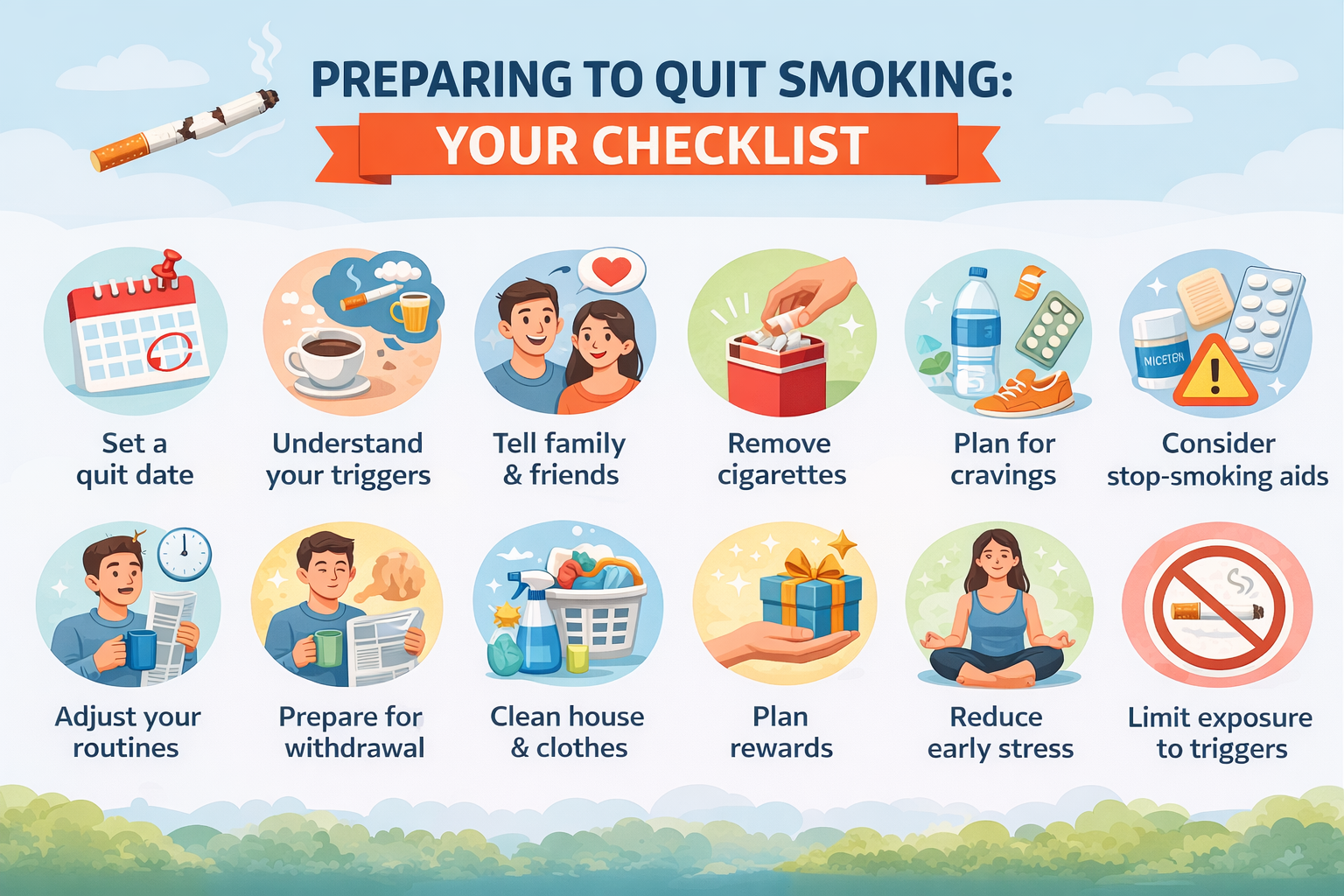
    Quitting smoking is much easier when you prepare in advance. A well-planned quit attempt increases your chances of success and helps you handle cravings and challenges with confidence. Here is a practical checklist to guide you before your quit day.

    ⏹️ Start by setting a clear quit date. Choose a specific day within the next one to two weeks so you have enough time to prepare, but not so much that you lose motivation. Mark it in your calendar and treat it as an important commitment.

    ⏹️ Take time to understand your smoking habits. Notice when and why you smoke, whether it is with coffee, during stress, or out of boredom. Identifying these patterns will help you anticipate difficult moments and plan alternatives.

    ⏹️ Tell the people around you that you are quitting. Inform family, friends, and colleagues so they can support you. Their encouragement can make a significant difference, especially during the first few days.

    ⏹️ Seek help from a doctor, nurse, or psychologist who specializes in nicotine addiction, or call a helpline.

    ⏹️ Remove cigarettes and smoking-related items from your environment. Throw away cigarettes, lighters, and ashtrays from your home, car, and workplace. A clean environment reduces temptation.

    ⏹️ Plan how you will handle cravings. The best way is to take nicotine medications (patch, gum). Think ahead about what you will do when the urge to smoke appears. Simple strategies such as waiting for 5 minutes (the craving will pass), drinking water, going for a short walk, or taking deep breaths can help cravings pass. You may also want to use e-cigarettes, nicotine pouches or heated tobacco.

    ⏹️ Consider using stop-smoking aids. Nicotine replacement therapies such as patches, gum, or lozenges can reduce withdrawal symptoms. Other medications may also be helpful if recommended by a healthcare professional.

    ⏹️ Change your routines if they are strongly linked to smoking. For example, if you usually smoke with your morning coffee, consider changing your drink or location. Small adjustments can break powerful associations.

    ⏹️ Prepare for withdrawal symptoms. Irritability, restlessness, and increased appetite are common but temporary, but weight gain may be permanent. Knowing this in advance helps you stay focused and avoid discouragement.

    ⏹️ Clean your home and clothes. Removing the smell of smoke from your surroundings can make the transition feel fresh and reinforce your decision to quit.

    ⏹️ Plan rewards for yourself. Decide how you will celebrate milestones such as one day, one week, and one month without smoking. Rewards help maintain motivation.

    ⏹️ Reduce stress before your quit day. Try relaxation techniques such as deep breathing, light exercise, or meditation. Managing stress will make it easier to cope without cigarettes.

    ⏹️ Limit exposure to triggers in the first days. Avoid situations where you are strongly tempted to smoke, such as social settings with other smokers, until you feel more confident.

    ⏹️ Remind yourself why you are quitting. Write down your personal reasons, whether they are related to health, family, or finances. Keep this list visible and revisit it often.

    ⏹️ Finally, accept that quitting is a process. You may face challenges along the way, and you may need several quit attempts before you succeed, but each attempt brings you closer to success.


  • Angina pectoris

    Angina pectoris

    Angina pectoris is chest pain caused by reduced blood flow to the heart, most often due to narrowed coronary arteries. Smoking is a major cause and greatly worsens prognosis. With proper treatment and, above all, quitting smoking, symptoms can be controlled and the risk of heart attack and early death can be significantly reduced.

    Angina pectoris is often described as a warning signal from the heart. It is not a heart attack, but it is closely linked to the same disease process and should never be ignored. The term refers to chest pain or discomfort caused by reduced blood flow to the heart muscle, most commonly as a result of narrowed coronary arteries.

    Angina is widespread, particularly in countries with aging populations. Millions of people worldwide live with this condition, and it is more common after the age of 50. Men are affected earlier in life, while women tend to develop symptoms later, often after menopause. Despite advances in prevention and treatment, angina remains a major contributor to disability and healthcare use because it signals underlying coronary artery disease, one of the leading causes of death globally.

    The root cause of angina is usually atherosclerosis, a gradual buildup of fatty deposits inside the arteries that supply the heart. Smoking plays a central role in this process. Chemicals in tobacco smoke damage the lining of blood vessels, promote inflammation, and accelerate plaque formation, while also increasing the tendency of blood to clot. High blood pressure, elevated cholesterol, diabetes, physical inactivity, and chronic stress further increase the strain on the heart. When the heart muscle needs more oxygen, such as during physical exertion or emotional stress, narrowed arteries may not be able to deliver enough blood, triggering pain.

    Prevention begins with addressing these risk factors, and quitting smoking stands out as the single most powerful step. Stopping smoking improves blood vessel function and reduces the risk of progression to heart attack. Regular physical activity, a balanced diet low in saturated fats and salt, weight control, and effective management of blood pressure and diabetes all contribute to protecting the heart. For people with angina, these measures are not optional lifestyle advice but an essential part of treatment.

    The symptoms of angina are often described as pressure, tightness, or a squeezing sensation in the chest, sometimes spreading to the arms, neck, jaw, or back. Shortness of breath, nausea, sweating, or unusual fatigue may accompany the pain. In many cases, symptoms appear predictably with effort and ease with rest. However, angina can sometimes be less typical, particularly in women and people with diabetes, which can delay recognition and diagnosis.

    Doctors diagnose angina by combining a careful clinical history with tests that assess how the heart functions under stress. An electrocardiogram may show changes during pain or exercise, while imaging tests can reveal areas of the heart that receive too little blood. In some cases, coronary angiography is needed to directly visualize narrowed arteries and guide treatment decisions.

    The outlook for people with angina varies. Stable angina, when symptoms are predictable and well controlled, can often be managed for many years. However, angina also signals a higher risk of heart attack, heart failure, and sudden cardiac death, especially if risk factors such as smoking persist. Without proper treatment and lifestyle changes, the disease tends to progress as arterial narrowing worsens over time.

    Treatment aims to relieve symptoms, improve quality of life, and reduce the risk of serious complications. Medications can lower the heart’s oxygen demand, improve blood flow, and prevent clot formation. In more severe cases, procedures to open or bypass blocked arteries may be necessary. Yet even the most advanced treatments cannot fully counteract the harm caused by continued smoking. Patients who quit smoking after an angina diagnosis significantly reduce their risk of heart attack and death.

    Survival rates for people with angina have improved markedly with modern care, but they depend heavily on individual choices. Those who stop smoking, adhere to treatment, and manage other risk factors can expect a near-normal life expectancy in many cases. By contrast, continued tobacco use sharply worsens outcomes, making angina not just a medical condition but a powerful reminder that quitting smoking is a decisive step toward protecting the heart and prolonging life.


    Use the ‘Comments’ field below to share your experience or to suggest improvements to this article.


  • Laryngeal cancer

    Laryngeal cancer

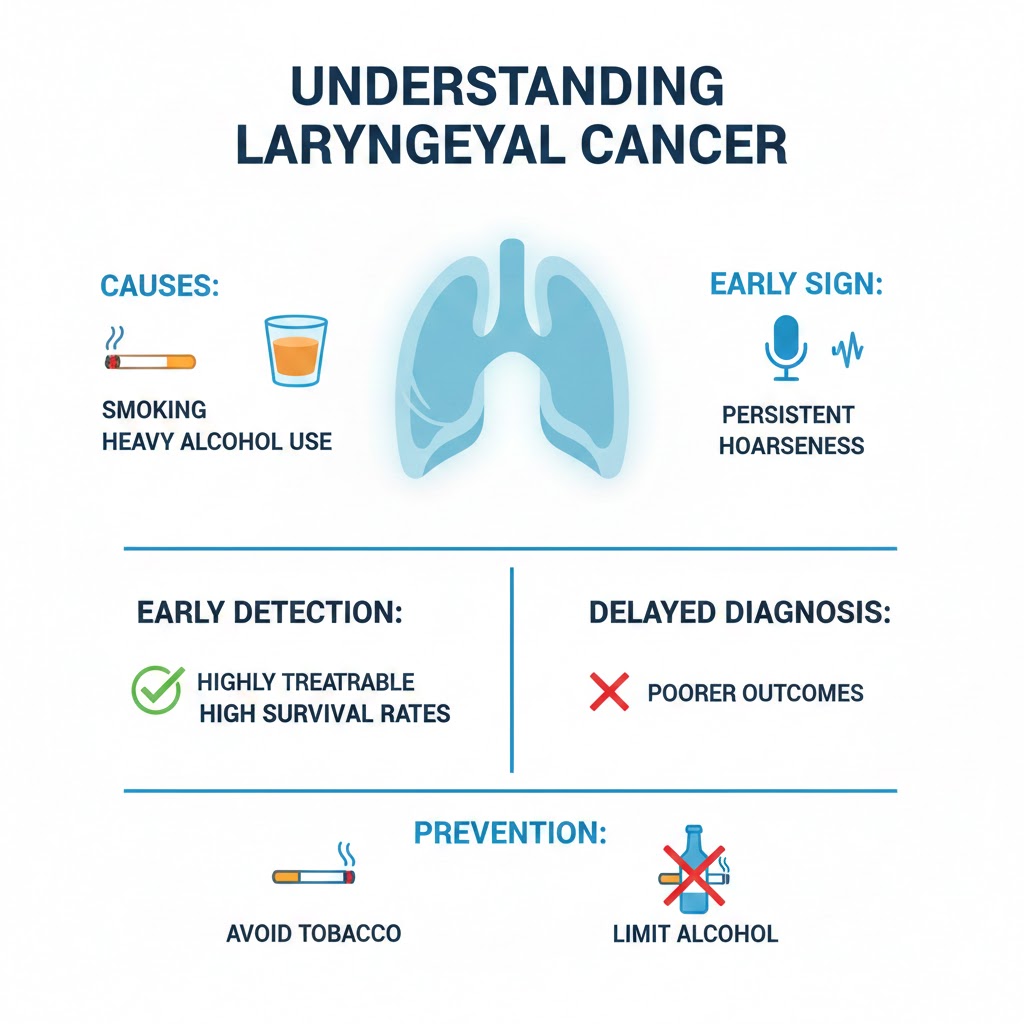
    Laryngeal cancer affects the voice box and is most often caused by smoking and heavy alcohol use. Persistent hoarseness is the most common early sign, along with throat discomfort or difficulty swallowing. When detected early, the disease is highly treatable and survival rates are high; outcomes are poorer when diagnosis is delayed. Prevention through avoiding tobacco and excessive alcohol, and prompt medical attention for lasting voice changes, are key to saving lives.

    Laryngeal cancer affects a vital organ: the larynx, often called the voice box. Located at the top of the windpipe, the larynx plays a central role in breathing, speaking, and swallowing. When cancer develops there, it can profoundly alter daily life, sometimes in ways that are both visible and audible.

    Laryngeal cancer is far more common in men than in women, a difference that largely reflects patterns of tobacco and alcohol use. The disease is usually diagnosed after the age of 50, though cases in younger people are not unheard of.

    The causes of laryngeal cancer are well established. Tobacco is by far the leading risk factor. Cigarettes, cigars, pipes, and even some smokeless tobacco products expose the lining of the larynx to carcinogenic substances that, over time, can trigger malignant changes. Alcohol acts as a powerful accomplice: heavy drinking combined with smoking multiplies the risk. Other factors can also play a role, including occupational exposure to certain chemicals, such as asbestos or wood dust. Infection with the human papillomavirus, better known for its link to cervical cancer, has also been implicated in a subset of cases.

    Because the main causes are known, prevention is straightforward. Avoiding tobacco dramatically reduces the risk, and the benefits begin soon after quitting. Limiting alcohol consumption adds further protection. Workplace safety measures that reduce exposure to harmful fumes and dusts matter as well.

    The first signs of the disease are often subtle, which explains why diagnosis can be delayed. Persistent hoarseness is the most common warning sign, especially when it lasts longer than a few weeks and has no obvious cause. A sore throat that does not go away, difficulty or pain when swallowing, a sensation of a lump in the throat, chronic cough, or ear pain can also be clues. In more advanced stages, breathing may become difficult, or a mass may be felt in the neck due to spread to nearby lymph nodes.

    When such symptoms raise suspicion, diagnosis usually begins with a careful examination of the throat by an ear, nose, and throat specialist. Using a small camera passed through the nose or mouth, the doctor can visualize the larynx directly. If an abnormal area is seen, a biopsy is required to confirm the presence of cancer. Imaging tests such as CT scans, MRI, or PET scans help determine how far the disease has spread, information that is crucial for choosing the best treatment.

    The course of laryngeal cancer varies widely. Tumors confined to the vocal cords tend to be detected earlier, because even small lesions can affect the voice. These early-stage cancers generally have an excellent prognosis. Cancers that arise above or below the vocal cords may grow larger before causing symptoms and are therefore more often diagnosed at a later stage. Over time, untreated cancer can invade nearby tissues or spread to lymph nodes and distant organs, making treatment more complex and outcomes less favorable.

    Treatment depends on the stage of the disease, the exact location of the tumor, and the patient’s overall health. For early cancers, radiation therapy or limited surgery can often eliminate the tumor while preserving the voice. More advanced cases may require a combination of surgery, radiotherapy, and chemotherapy. In some situations, part or all of the larynx must be removed to control the disease, a life-saving operation that has profound consequences for speech and breathing. Advances in reconstructive surgery, voice rehabilitation, and assistive technologies have greatly improved quality of life for people who undergo such procedures.

    Survival rates reflect this wide spectrum of disease. When laryngeal cancer is diagnosed at an early stage, five-year survival can exceed 80 or even 90 percent. For cancers detected later, especially those that have spread beyond the larynx, survival drops significantly, often to around 40 percent or less. These figures underscore a simple but crucial message: early detection saves lives.

    Laryngeal cancer is a disease in which prevention, awareness of symptoms, and timely medical attention make a tangible difference.


    Use the ‘Comments’ field below to share your experience with larynx cancer or to suggest improvements to this article.


  • Oral cancer and smoking

    Oral cancer and smoking

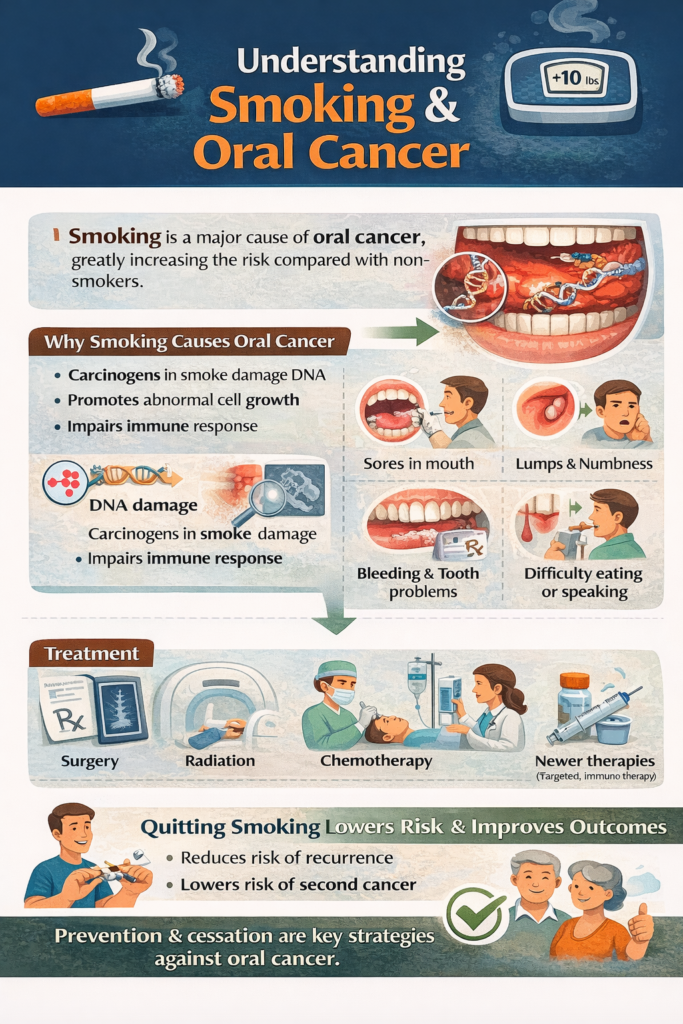
    Smoking is notorious for its role in lung cancer, but its impact on the mouth and throat is often underestimated. Cancer of the oral cavity, which includes the lips, tongue, gums, floor of the mouth, and palate, is a serious disease whose primary cause remains tobacco smoking

    Who is Affected:

    Tobacco use is by far the most significant risk factor for oral cancer. The risk for a person who smokes can be multiplied by five or more compared to someone who has never touched tobacco. This correlation applies not only to cigarettes but also to cigars and pipes.

    It is crucial to emphasize, however, that oral cancer is not exclusively a smoker’s disease. A significant percentage of cases occur in individuals who have never smoked. These cases are often linked to other risk factors, notably alcohol use and infection with the Human Papillomavirus (HPV). The combined effect of alcohol and tobacco is strongly synergistic, multiplying the risk exponentially.

    The Mechanism of the Disease

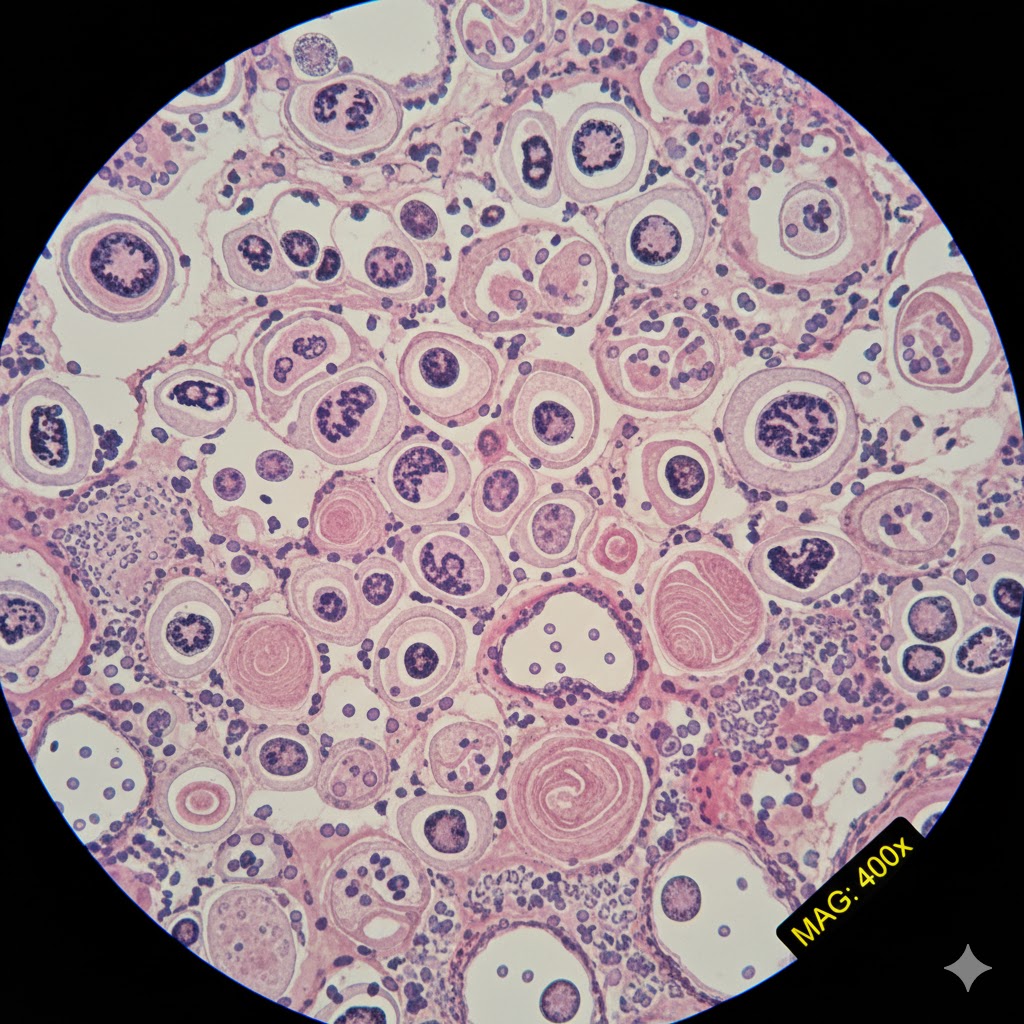
    The reason tobacco smoke triggers oral cancer lies in its chemical composition. Tobacco smoke contains thousands of chemical substances, dozens of which are known carcinogens. When these compounds come into contact with the delicate tissues of the mouth, they attack the DNA of the epithelial cells. These toxic substances cause genetic mutations which, over time and with repeated exposure, disrupt the normal mechanisms of cell growth and division. The mutated cells then begin to multiply uncontrollably, forming precancerous lesions, such as leukoplakia (white patch) or erythroplakia (red patch), which can progress to squamous cell carcinoma, the most common form of oral cancer. The chronic inflammation induced by tobacco only worsens this carcinogenic process.

    Signs, Diagnosis, and Treatment

    Oral cancer, if detected early, offers excellent chances of cure. The problem lies in the fact that the initial symptoms are often subtle or mistaken for benign conditions.

    The symptoms to watch out for are:

    • A sore or ulcer in the mouth or on the lip that does not heal after two weeks.
    • The appearance of a persistent white, red, or mixed patch on the oral lining or tongue.
    • A thickening, lump, or nodule in the cheek or neck.
    • Unexplained pain, numbness, or bleeding in the mouth.
    • Difficulty chewing, swallowing, or moving the tongue.

    The diagnosis begins with a thorough clinical examination, often performed by a dentist or physician. Any persistent suspicious lesion requires a biopsy, which involves taking a small sample of tissue for laboratory analysis. If cancer is confirmed, imaging tests (CT scan, MRI, PET scan) are performed to determine the extent of the tumor and to check whether it has reached the lymph nodes in the neck or other parts of the body, or whether the cancer has spread to other organs (metastasis).

    Treatment depends on the stage and location of the cancer. It most often involves a combination of:

    • Surgery to remove the tumor and, if necessary, the affected lymph nodes.
    • Radiation therapy to destroy remaining cancer cells.
    • Chemotherapy or immunotherapy in more advanced cases or to increase the effectiveness of other treatments.

    Prognosis and the Importance of Quitting

    The prognosis is directly related to the stage of the cancer at the time of diagnosis. When the disease is localized and detected very early, the five-year survival rate is significantly higher. Unfortunately, many cases are diagnosed at an advanced stage, when the cancer has spread to the lymph nodes, which makes treatment more arduous and significantly reduces the chances of recovery.

    The most powerful impact on the prognosis lies in the immediate and definitive cessation of tobacco use, even after diagnosis. Quitting smoking not only reduces the risk of recurrence but also improves the response to treatments and the overall quality of life of the patient. Prevention remains the most effective weapon: avoiding tobacco and excessive alcohol use are the fundamental steps to guard against this devastating disease.


    Use the ‘Comments’ field below to share your experience with oral cancer or to suggest improvements to this article.


  • Oral health and smoking

    Oral health and smoking

    Smoking has direct and devastating effects on the mouth, starting with colored teeth and bad breath, progressing to tooth decay, and potentially leading to cancer.

    Why Smoking and Oral Disease Are Linked

    The link between smoking and oral health problems stems from the thousands of toxic chemicals found in tobacco smoke. When these chemicals enter the mouth, they disrupt its natural defenses and processes. Nicotine, carbon monoxide, tar, and various carcinogens in cigarettes irritate soft tissues, impair blood circulation, weaken the immune system, and promote the proliferation of harmful bacteria.

    Smoking restricts the flow of oxygen and nutrients to the gums and bone, impairing the mouth’s ability to heal and fight off infections. It also changes the composition of saliva, making it less effective at neutralizing acids and washing away food particles and bacteria. This combination of factors creates a hostile environment where oral diseases can flourish, often with greater severity and resistance to treatment.

    Dental Problems: Beyond the Stain

    The most visible sign of a smoker’s habit is often the yellowish or brownish stains on their teeth, a direct result of tar accumulating on the enamel. However, the damage goes far deeper than aesthetics. Smoking significantly increases the risk of dental caries, or cavities. The altered oral environment, with reduced saliva flow and a shift towards more acid-producing bacteria, creates ideal conditions for tooth decay.

    Furthermore, smokers are at a much higher risk for oral cancer. The carcinogens in tobacco smoke directly damage the cells lining the mouth, tongue, lips, throat, and salivary glands, leading to abnormal cell growth. These cancers often present as persistent sores, lumps, or white/red patches that don’t heal, and early detection is critical for survival.

    Periodontal Problems: The Foundation Crumbles

    Perhaps one of the most insidious effects of smoking is its impact on periodontal health, which refers to the gums and the bone supporting the teeth. Smokers are at a significantly elevated risk for gingivitis (inflammation of the gums) and, more severely, periodontitis.

    Smoking masks the classic signs of gum disease. Nicotine constricts blood vessels, meaning smokers often experience less bleeding gums, even when severe inflammation is present. This can lull them into a false sense of security, delaying diagnosis and treatment until the disease has advanced. By the time it’s noticeable, the damage can be extensive.

    Periodontitis in smokers progresses more rapidly and is often more severe than in non-smokers. It leads to the destruction of the bone and connective tissues that hold teeth in place, eventually resulting in loose teeth and, ultimately, tooth loss. Smokers also respond less favorably to periodontal treatments and are more prone to recurrence of the disease.

    Bad Breath: A Lingering Consequence

    Halitosis, commonly known as bad breath, is another prevalent issue among smokers. The lingering smell of stale tobacco smoke itself is a primary contributor. However, the problem is compounded by the drying effect of smoke on the mouth, leading to reduced saliva flow and an increase in odor-producing bacteria. Periodontal disease, also exacerbated by smoking, further contributes to halitosis, as decaying tissue and bacterial buildup release unpleasant sulfur compounds.

    Diminished Senses of Taste and Smell: A Muted World

    Smoking dulls the senses of taste and smell. The chemicals in tobacco smoke can damage the taste buds and interfere with the olfactory receptors in the nose. Smokers often report that food tastes bland or that they struggle to discern subtle flavors. This reduced sensory perception can diminish the enjoyment of eating and drinking, and for some, it even contributes to unhealthy dietary choices as they seek stronger-tasting foods.

    Dry Mouth: A Gateway to Further Issues

    Xerostomia, or dry mouth, is a common complaint among smokers. The heat and chemicals in cigarette smoke irritate the salivary glands and can reduce saliva production. Saliva is crucial for oral health; it washes away food particles, neutralizes acids, helps remineralize tooth enamel, and contains antimicrobial agents. A chronically dry mouth leaves individuals more susceptible to cavities, gum disease, fungal infections (like thrush), and difficulty speaking or swallowing.

    Safeguarding Your Smile: Oral Hygiene Advice

    The most impactful advice for anyone concerned about their oral health and smoking is unequivocal: quit smoking. Cessation immediately begins to reverse many of the damaging effects and significantly reduces the risk of developing further complications.

    Beyond quitting, meticulous oral hygiene practices are essential for smokers and former smokers:

    • Brush thoroughly twice a day: Use a soft-bristled brush and fluoride toothpaste to gently clean all tooth surfaces and along the gumline.
    • Floss daily: Flossing removes plaque and food particles from between teeth and under the gumline, areas a toothbrush cannot reach.
    • Regular dental check-ups and cleanings: Visit your dentist at least twice a year, or more frequently if advised, for professional cleanings and examinations. Your dentist can monitor for early signs of oral cancer, gum disease, and other problems.
    • Use an antimicrobial mouthwash: A therapeutic mouthwash can help reduce bacteria in the mouth.
    • Stay hydrated: Drinking plenty of water helps combat dry mouth and encourages saliva production.
    • Maintain a balanced diet: Limit sugary and acidic foods and drinks that can contribute to tooth decay.
    • Be vigilant for changes: Any persistent sore, lump, patch, or unusual bleeding in your mouth should be reported to your dentist immediately.

    Use the ‘Comments’ field below to share your experience or to suggest improvements to this article.


  • Women’s health and smoking

    Women’s health and smoking

    In this section, you will find information on the specific health issues faced by women who smoke:


  • Cigarettes

    Cigarettes

    All you need to know about what is in a cigarette, how it is made, and what is in the cigarette smoke


  • Depression and smoking

    Depression and smoking

    The public debate surrounding smoking has legitimately focused on its physical ravages: cancer, heart disease, and lung disease. However, smoking harbors a more subtle but equally serious danger: its complex and harmful link to mental health, particularly depression. Smoking is deeply linked to emotional well-being, often acting as a treacherous coping mechanism that ultimately exacerbates the disorders it is supposed to alleviate.

    The Scientific Evidence for this Association

    Extensive research, spanning large epidemiological studies and clinical trials, has firmly established a reciprocal link between smoking and depressive disorders. The evidence points not to a coincidence, but to a powerful, two-way street that traps individuals in a vicious cycle.

    First, the scientific data shows that people suffering from depression are significantly more likely to smoke. They often start smoking at a younger age, smoke more heavily, and are less likely to successfully quit compared to the general population. The act of lighting up may be an attempt to self-medicate or manage the intense negative feelings and low energy characteristic of depression.

    Second, the relationship is bidirectional: long-term, heavy smoking itself appears to increase the risk of developing future depressive episodes. While nicotine initially offers a perceived “lift” or temporary calming effect, the long-term impact on brain chemistry is destabilizing, setting the stage for emotional volatility and mood disorders.

    Finally, and perhaps most critically for those seeking recovery, quitting smoking can sometimes trigger a depressive episode. This cessation-related depression is a recognized withdrawal symptom, highlighting just how deeply the brain has adapted to and become dependent on nicotine for mood regulation.

    The Biological Mechanisms Driving the Association

    Understanding this complex link requires looking inside the brain, where the primary players are nicotine and the neurotransmitter systems that govern mood.

    • Dopamine: Nicotine is a psychoactive drug that rapidly reaches the brain and stimulates the release of dopamine—often called the “reward” chemical. This surge produces immediate feelings of pleasure, focus, and reduced stress, offering a quick but fleeting high that can mask depressive symptoms. Smokers, especially those with existing depression, begin to rely on this nicotine-induced dopamine hit to temporarily elevate their mood. However, the brain eventually adjusts by reducing its natural production of dopamine and the sensitivity of its own receptors. This process, called tolerance, means the smoker needs more nicotine just to feel normal, and when they are not smoking, their mood baseline sinks even lower than it was before they started. This neurological dependency exacerbates existing depression.
    • Chronic Stress and Inflammation: Long-term smoking is associated with chronic inflammation throughout the body and brain. This persistent inflammatory state has been strongly implicated in the pathology of major depressive disorder. Furthermore, many of the toxic components of tobacco smoke stress the body, disrupting the hypothalamic-pituitary-adrenal (HPA) axis—the body’s main stress response system—leaving the individual less resilient to psychological stress and more prone to mood disturbances.
    • Monoamine Oxidase (MAO) Inhibition: Tobacco smoke contains chemicals that act as monoamine oxidase inhibitors. MAO is an enzyme that breaks down key mood-regulating neurotransmitters like dopamine, serotonin, and norepinephrine. By inhibiting MAO, smoking artificially increases the levels of these neurotransmitters in the short term, again contributing to a temporary mood boost. When a person quits, this pharmacological effect vanishes, and the sudden drop in these neurotransmitters contributes directly to the mood disturbance and depression experienced during withdrawal.

    Preventive Measures and Supportive Interventions

    Given this deeply intertwined relationship, the strategies for reducing the harms must address both the nicotine addiction and the underlying mental health condition simultaneously.

    For Depressed Individuals (Prevention of Smoking):

    Healthcare providers must actively screen patients with mood disorders for smoking risk. Prevention efforts should focus on effective coping strategies that do not involve substances. Integrating behavioral therapy and antidepressant medication early in the treatment of depression can reduce the urge to use smoking as a self-medicating tool. Public health messages need to explicitly counter the common misconception that smoking is an effective stress reliever, clarifying its role as a mood destabilizer.

    For Smokers (Successful Cessation and Relapse Prevention):

    For current smokers, particularly those with a history of depression, quitting requires a specialized approach.

    • Pharmacological Support: Using pharmacotherapies for smoking cessation, such as nicotine medications, varenicline or bupropion (an antidepressant often used for cessation), is particularly important. These medications can ease withdrawal symptoms, reduce cravings, and, in the case of bupropion, help mitigate the depressive symptoms that can occur upon quitting.
    • Integrated Behavioral Therapy: Cessation programs for this group must be dual-purpose, treating both the addiction and providing mental health coping skills. Smokers need psychological support to anticipate and manage the temporary period of low mood during withdrawal, recognizing it as a transient physical symptom rather than a relapse of their underlying depression.
    • Close Monitoring: Healthcare providers must closely monitor the patient’s mood during the initial weeks of quitting. If significant depressive symptoms emerge, it is crucial to intervene quickly with intensified counseling or, potentially, the short-term use of antidepressant medications to prevent a relapse back to smoking.