Tag: smoking

  • Wound healing and smoking

    Wound healing and smoking

    For many people, the dangers of smoking are understood primarily in terms of long-term conditions like cancer and heart disease. Yet, one of the most immediate and pervasive negative impacts of tobacco use—its destructive effect on the body’s natural healing process—often remains less known until a medical procedure makes it acutely relevant. Smoking severely compromises the biological mechanisms required to mend tissue, turning what should be a straightforward recovery into a risky and drawn-out ordeal.

    The Biological Causes

    The connection between smoking and poor wound healing is not anecdotal; it is firmly rooted in cellular biology and physiology. The harmful chemicals found in tobacco and cigarette smoke create several major roadblocks that impede the body’s repair efforts:

    1. Impaired Oxygen Delivery (Hypoxia): The most critical factor is the presence of carbon monoxide, a gas inhaled with tobacco smoke. Carbon monoxide bonds tightly to hemoglobin in red blood cells, effectively displacing oxygen. This reduces the blood’s capacity to carry oxygen to tissues throughout the body, including the site of an injury or surgical incision. Wounds require vast amounts of oxygen to fuel the rapid cell division, collagen synthesis, and immune response needed for healing. Without sufficient oxygen, the cells simply cannot perform their repair functions efficiently.
    2. Vasoconstriction: Nicotine causes blood vessels to constrict (narrow). This action immediately reduces blood flow, further starving the injured tissue of both oxygen and vital nutrients, such as proteins and vitamins, necessary for repair. This is especially problematic in the fine, delicate capillary beds near the skin’s surface where most surgical wounds are closed.
    3. Compromised Immune Function: Smoking affects the activity of key immune cells, particularly white blood cells called neutrophils and macrophages, which are the body’s first line of defense against infection. When these cells are weakened, the wound site is less able to fight off bacteria, significantly raising the risk of infection.
    4. Disruption of Collagen Synthesis: Collagen is the crucial structural protein that forms the scaffolding of new tissue. Smoking interferes with the activity of fibroblasts, the cells responsible for manufacturing collagen. This results in weaker, less organized, and less resilient scar tissue, increasing the likelihood that the incision will break down or fail to close properly.

    Scientific Evidence Across Common Operations

    The impact of these biological mechanisms is clearly documented in surgical outcomes across various medical specialties. The data consistently demonstrates that smokers experience higher rates of complications compared to non-smokers following common procedures.

    • Orthopedic Surgery: In operations like spinal fusion or fracture repair, bone healing is paramount. Smoking is known to significantly increase the risk of non-union, where the bone fails to fuse properly. This risk can be two to three times higher in smokers. The reduced blood flow inhibits the delivery of bone-building cells and oxygen needed for ossification.
    • General and Abdominal Surgery: Following procedures such as hernia repair or bowel surgery, smokers face dramatically higher rates of surgical site infection (SSI) and wound dehiscence (the splitting open of a wound along the surgical suture). The combination of poor circulation and a weakened immune system creates a fertile ground for bacteria.
    • Plastic and Reconstructive Surgery: Surgeons in this field often rely on the viability of highly vascularized tissue flaps. Smoking is a significant contraindication because the vasoconstrictive effects of nicotine and lack of oxygen can cause the edges of the flap to die (necrosis), leading to tissue loss and catastrophic surgical failure.
    • Dental and Periodontal Surgery: Even minor oral procedures, such as tooth extractions or gum grafts, show impaired healing. Smoking is a primary risk factor for dry socket and contributes to the failure of dental implants because the surrounding bone and gum tissue cannot integrate with the foreign material effectively.

    The Consequences of Impaired Healing

    The outcome of smoking-related healing problems extends far beyond a simple delay in recovery. The consequences are often severe and have substantial medical and financial ramifications:

    • Increased Infection and Readmission: Poorly oxygenated, compromised wounds are far more likely to become infected, requiring aggressive antibiotic treatment, repeat debridement (removal of dead tissue), and, critically, often lead to an expensive and distressing hospital readmission.
    • Scarring and Functional Deficits: The interference with collagen production means that when a wound does finally close, the scar is often weaker, wider, and cosmetically poorer. In orthopedic cases, failed fusion or poor tendon repair can lead to long-term functional disability and chronic pain.
    • Failed Procedures and Repeat Surgeries: When bone grafts, skin flaps, or other reconstructive elements fail due to necrosis or non-union, the patient often faces the physical and emotional toll of needing multiple revision surgeries, which themselves carry escalating risks.

    Preventive Measures

    The good news is that the negative effects of smoking on healing are largely reversible, making prevention and preoperative intervention the most powerful tools surgeons and patients possess.

    The single most effective and necessary preventive measure is smoking cessation. The benefits of quitting begin almost immediately. Within twenty-four hours, the carbon monoxide levels in the blood drop, restoring the blood’s oxygen-carrying capacity. Within days or weeks, the function of the immune cells improves, and circulation begins to normalize as the acute effects of nicotine wear off.

    Most medical guidelines recommend that patients planning any significant elective surgery stop smoking completely at least four to six weeks before the operation and remain abstinent for at least four to six weeks post-operatively. This window is generally deemed the minimum time required to normalize many of the key physiological healing pathways. Shorter periods of abstinence are still beneficial, but the full four-to-six-week period is ideal for minimizing risk.

    Healthcare providers often play a crucial role by screening all patients for tobacco use and strongly recommending and facilitating specialized cessation programs that utilize a combination of counseling, behavioral therapy, and pharmacological aids like nicotine replacement therapy (NRT). While NRT products still deliver nicotine, they eliminate the carbon monoxide and thousands of other toxins found in smoke, offering a safer alternative during the critical pre- and post-operative period.

  • Mortality caused by smoking

    Mortality caused by smoking

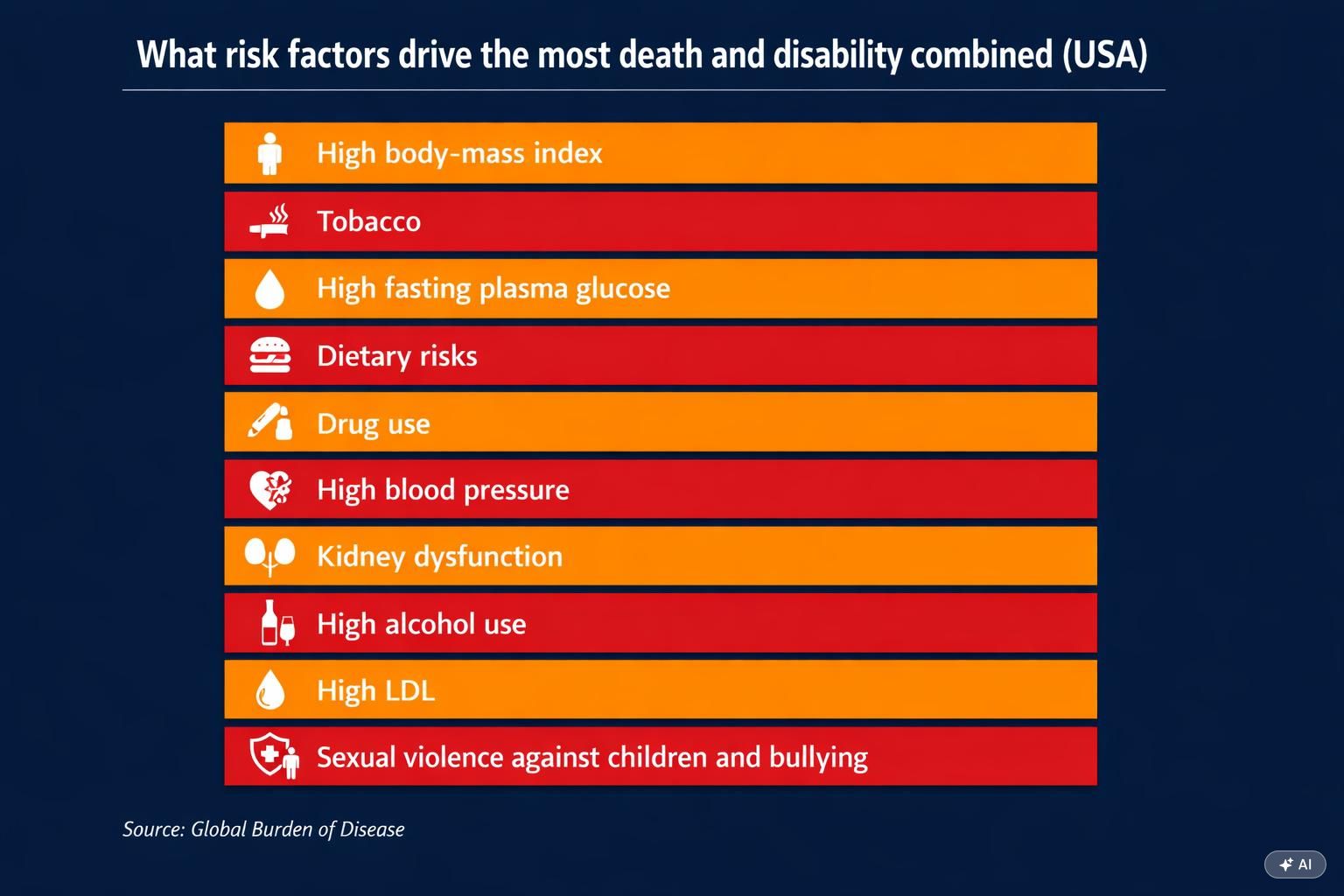
    Smoking remains one of the leading preventable causes of premature death and disability worldwide. Despite decades of public health action, smoking-related mortality remains extremely high.

    The Scale of Death

    Globally, tobacco causes more than eight million deaths each year, according to the World Health Organization. Over seven million result from direct smoking, while about 1.2 million occur among non-smokers exposed to secondhand smoke.

    • United States: Smoking causes over 480,000 deaths annually—about one in five deaths. This exceeds the combined mortality from HIV, illegal drugs, alcohol abuse, traffic accidents, and firearms.
    • United Kingdom: Around 76,000 deaths per year are linked to smoking, accounting for roughly 15% of deaths among adults over 35.

    Smoking Compared with Other Risks

    Smoking’s impact is often greater than other major health risks.

    • Obesity: Excess weight contributes to many diseases, but studies generally show smoking directly causes more deaths in many countries. Obesity often worsens diseases that smoking also promotes.
    • Alcohol: Alcohol misuse causes about three million deaths globally each year. Although significant, this total remains lower than tobacco-related mortality.

    These comparisons highlight smoking’s uniquely destructive role in global health.

    Main Diseases Caused by Smoking

    Smoking damages nearly every organ and leads to several major causes of death:

    • Cardiovascular diseases: Smoking greatly increases the risk of heart attacks, strokes, coronary artery disease, and aneurysms by damaging blood vessels and raising blood pressure.
    • Cancers: About 90% of lung cancer deaths are caused by smoking, which also contributes to cancers of the mouth, throat, esophagus, stomach, pancreas, bladder, kidney, cervix, and others.
    • Chronic Obstructive Pulmonary Disease (COPD): Including emphysema and chronic bronchitis, COPD is largely driven by smoking and leads to progressive breathing failure.
    • Other respiratory diseases: Smoking increases the severity and fatality of infections such as pneumonia and influenza.
    • Diabetes: Smoking raises the risk of type 2 diabetes and worsens its complications.

    Trends Over Time

    Smoking rates were much higher in the twentieth century, leading to decades of smoking-related disease.

    • Declining prevalence: In countries such as the United States and the United Kingdom, smoking rates have fallen due to taxes, smoke-free laws, public education, and cessation programs.
    • Delayed mortality decline: Because smoking diseases develop slowly, reductions in death rates take decades to appear, though improvements are now visible.
    • Global shift: While smoking is declining in many wealthy nations, rates remain high or rising in some low- and middle-income countries, particularly in parts of Asia and Africa.
    • New products: Heated tobacco, e-cigarettes, and nicotine pouches may reduce harm compared with cigarettes.

    Reducing Smoking Mortality

    Lowering tobacco-related deaths requires coordinated action.

    Tobacco control policies

    • Higher tobacco taxes to reduce consumption, especially among youth
    • Smoke-free public spaces to protect non-smokers
    • Advertising restrictions and plain packaging to reduce product appeal

    Support for quitting

    Public education

    • Strong awareness campaigns about health risks
    • Targeted programs for vulnerable populations with higher smoking rates

    Switching from cigarettes

    • While quitting entirely is best, smokers who cannot stop nicotine use may reduce harm by switching from combustible cigarettes to non-combustible products.

    Although progress has been made, smoking continues to cause millions of deaths each year. Sustained public health efforts and new strategies remain essential to further reduce this preventable mortality.


  • Nicotine

    Nicotine

    In this section, you will find several articles explaining everything you need to know about nicotine: a test to help you determine how much nicotine you need, the amount of nicotine in a cigarette, the optimal nicotine concentration for your e-liquids, and the effects of nicotine on health, nicotine salts.

  • 10 policies against smoking

    10 policies against smoking

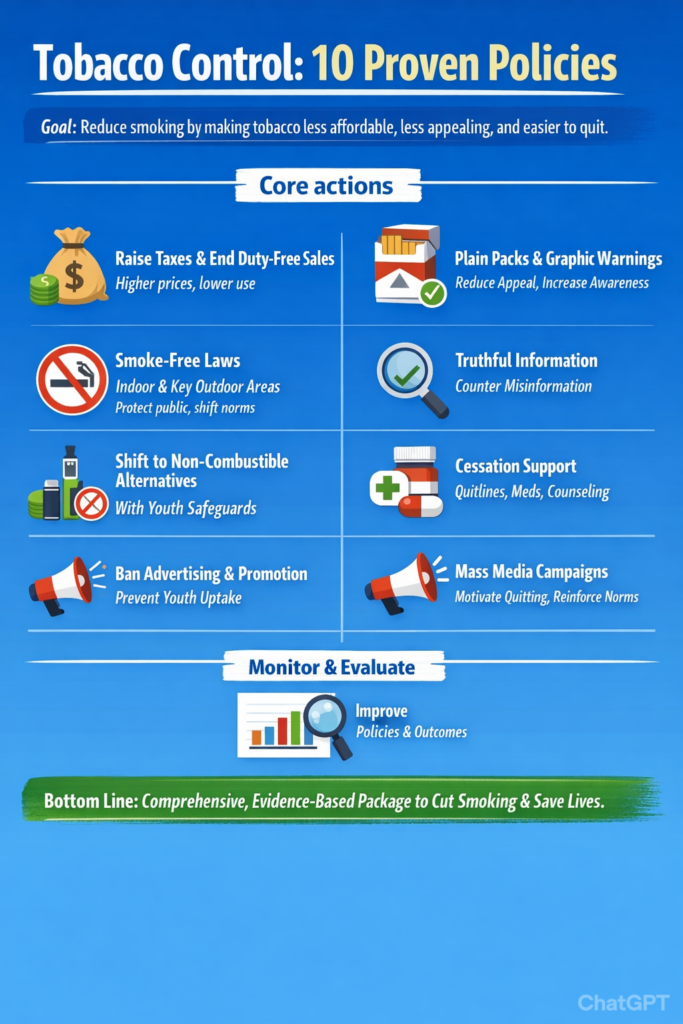
    Smoking remains a scourge on public health and a major factor of healthcare costs, but the good news is that governments worldwide have effective and proven tools at their disposal to combat it. This article presents the ten most effective policy measures, backed by scientific evidence, that can significantly reduce smoking and save lives.

    These policies work by either making smoking less appealing and accessible, or by empowering smokers to quit.


    The Economic Approach: Making Tobacco Unaffordable

    1. Raise Taxes on Tobacco Products

    This is widely considered the single most effective policy for reducing tobacco consumption. Significant and regular increases in excise taxes make tobacco products less affordable, discouraging young people from starting and incentivizing current users to quit. For every 10% price increase, studies show a significant reduction in overall consumption, with the greatest impact seen among youth and low-income populations.

    2. Eliminate Tax-Free and Duty-Free Sales

    By removing tax exemptions for tobacco sold at airports and border crossings, governments close a loophole that allows products to be sold at artificially low prices. This policy maintains the price disincentive and prevents cheap tobacco from undermining local taxation efforts.

    Clean Air and Social Norms: Protecting the Public

    3. Implement Comprehensive Smoke-Free Laws

    Laws mandating 100% smoke-free indoor public places, workplaces, restaurants, and bars protect non-smokers from the harms of secondhand smoke. Furthermore, these policies change social norms, making smoking less visible, less socially acceptable, and providing a powerful incentive for smokers to quit. Well-enforced bans have been shown to reduce smoking prevalence itself.

    Extending smoke-free regulations to include outdoor areas—such as parks, beaches, school grounds, and hospital entrances—further de-normalizes smoking, protects children from exposure, and reinforces the public health message that smoking is not a typical behaviour.

    Replace combustible products with smokefree products

    4. Accelerate the replacement of cigarettes with non-combustible products

    The tobacco market is undergoing rapid change, with cigarettes becoming an obsolete and inferior product, replaced by non-combustible alternatives.

    It is essential to accelerate the transition of smokers to these new products, while implementing effective and proportionate policies to prevent young non-smokers from starting to use nicotine or tobacco.

    5. Providing truthful information and combating disinformation

    Misinformation about harm reduction and non-combustible nicotine and tobacco products is ubiquitous. Governments should support the creation and dissemination of truthful, balanced, and honest information on these topics.

    Stopping the Next Generation: Eliminating Promotion and Appeal

    6. Enforce Comprehensive Bans on Tobacco Advertising, Promotion, and Sponsorship (TAPS)8

    Tobacco advertising recruits new users and undermines quit attempts. A total ban on all forms of TAPS—including in traditional media, online, at the point of sale, and through product placement or sponsorship—is highly effective at reducing tobacco initiation, particularly among youth.9

    7. Mandate Graphic Health Warnings and Plain Packaging

    Removing all branding, colours, and promotional elements from tobacco packaging (plain packaging) and requiring large, graphic health warnings that cover at least 50% (and ideally much more) of the pack surface reduces the product’s appeal and increases consumer awareness of the harms.10 This policy eliminates the pack as a marketing tool.11

    Empowerment and Support: Helping People Quit

    8. Provide Accessible and Affordable Smoking Cessation Services

    While policies reduce demand, many addicted smokers need help to quit.15 Governments must invest in comprehensive cessation support, including:

    • Toll-free national quitlines.
    • Coverage for proven therapies (like NRT and prescription medicines such as varenicline and cytisine) and behavioral counselling through national health insurance programs.16
    • Integrating ‘Ask, Advise, Refer’ protocols into routine healthcare.17

    9. Run Sustained, High-Impact Mass Media Campaigns

    Hard-hitting, professionally produced anti-tobacco media campaigns that clearly communicate the health risks and benefits of quitting are highly effective.18 These campaigns should be sustained over time and run at high frequency to ensure maximum reach and impact, reinforcing the message that help is available.

    Monitor tobacco use and evaluate interventions

    10. Monitor tobacco use and evaluate campaigns and policies

    It is crucial to monitor tobacco and nicotine use in each population subgroup, and to assess the intended and unintended effect of all interventions, campaigns, policies, treatments and other anti-tobacco measures.


    Use the ‘Comments’ field below to share your experience or to suggest improvements to this article.


  • Breastfeeding and smoking

    Breastfeeding and smoking

    You may wonder how smoking impacts your decision to breastfeed. This article aims to provide you with the essential information on the effects of smoking, the benefits of breastfeeding, the critical clarification that smoking is not a reason to stop breastfeeding, and practical advice for breastfeeding mothers who smoke.

    The Impact of Smoking on Breastfeeding

    Smoking introduces a cocktail of harmful chemicals, most notably nicotine, into a mother’s system, which subsequently finds its way into her breast milk. The effects of this exposure can be seen in both the mother and the baby.

    For the mother, nicotine can reduce the levels of prolactin, the key hormone for milk production. This often leads to a reduced overall milk supply, which can make it challenging to maintain exclusive breastfeeding. Additionally, smoking may alter the composition of the breast milk, changing its fat and antioxidant content.

    For the baby, there will be exposure to nicotine through the milk itself. While the quantity is generally small, it can still manifest in behavioral effects, such as increased irritability, fussiness, and trouble sleeping, often resulting in shorter sleep durations. Furthermore, babies exposed to nicotine this way may experience an increased risk of colic-like symptoms. Beyond the breast milk, the baby is exposed to secondhand smoke, which dramatically increases their risk of serious health issues. These include respiratory infections like bronchiolitis and pneumonia, ear infections, asthma, and reduced lung function. Most tragically, exposure to smoke is a known risk factor for Sudden Infant Death Syndrome (SIDS).

    The Benefits of Breastfeeding

    Despite the concerns associated with smoking, it is vital to keep the immense and unmatched benefits of breastfeeding at the forefront of this discussion. Breast milk is frequently referred to as “liquid gold” because it provides optimal nutrition, offering all the nutrients a baby needs for the first six months of life in a form perfectly tailored to their developing digestive system. Breast milk is also an immune system powerhouse, packed with antibodies, enzymes, and white blood cells that actively protect the baby from a wide range of infections, allergies, and chronic diseases. Breastfed babies consistently show a lower risk of ear infections, respiratory illnesses, diarrhea, and even certain childhood cancers. Studies have also indicated a link between breastfeeding and improved cognitive development in children.

    The benefits extend to the mother as well: breastfeeding facilitates postpartum recovery, reduces the risk of certain cancers (breast and ovarian), delays pregnancy, and can help control weight after childbirth. But above all, it promotes a unique and deeply special bond between mother and child. Finally, mothers who breastfeed are more likely to quit smoking than those who do not breastfeed, they smoke fewer cigarettes per day, and they are less likely to relapse after an attempt to quit smoking.

    Why Smoking is NOT a Contraindication to Breastfeeding

    This is a critically important point for all mothers to understand: smoking is not a contraindication to breastfeeding. While the ideal scenario is a mother who does not smoke, the benefits that breastfeeding provides overwhelmingly outweigh the risks of feeding formula, even when a mother smokes. Leading health organizations across the globe, including the World Health Organization and the American Academy of Pediatrics, actively encourage mothers who smoke to continue breastfeeding. The risks associated with formula feeding—such as the lack of antibodies, an increased risk of infections, and potential allergies—are substantially more significant than the risks of nicotine exposure through breast milk, provided sensible precautions are taken.

    Practical Steps for Breastfeeding Mothers Who Smoke

    If you are a breastfeeding mother who smokes, you can take several practical steps to minimize harm and maximize the protective benefits of your breast milk for your baby. The most impactful change you can make is to reduce the number of cigarettes you smoke each day; every cigarette eliminated provides a benefit. Timing your smoking is also key, as nicotine levels in breast milk peak approximately 30 minutes after smoking and take about 1.5 to 3 hours to clear from your system. Therefore, it is highly recommended to smoke after a feeding, not before, giving your body the maximum amount of time to process the nicotine before the next feeding.

    You must never smoke near your baby or indoors. Always smoke outdoors and consider changing your clothes or wearing a designated “smoking jacket”. This significantly reduces your baby’s exposure to thirdhand smoke, which is the residue left on clothing and surfaces. Following this, always wash your hands thoroughly after smoking and before handling your baby to remove any nicotine residue.

    If you are trying to quit smoking, nicotine replacement therapy (NRT) is not contraindicated for breastfeeding mothers. Patches, gum, or inhalers deliver nicotine more slowly and at a lower dose than cigarettes, resulting in lower nicotine levels in breast milk. You should nevertheless breastfeed about 2 hours after taking a nicotine gum or lozenge to minimize the amount of nicotine in the milk.

    While they are safer than traditional cigarettes, e-cigarettes and vaping still contain nicotine and other chemicals, so you should follow the same precautions as for cigarettes around your baby, and the same interval (2 hours) as for nicotine medications.

    The best thing you can do for your baby’s and your own long-term health is to quit smoking entirely. Speak to your doctor, explore support groups, and utilize the many cessation resources available.

    Smoking: an Obstacle to Breastfeeding:

    Smoking mothers are less likely to breastfeed than non-smoking mothers, for several reasons. First, smoking is more common among less privileged social groups, where breastfeeding is less common. In addition, smoking reduces milk production because nicotine affects prolactin, the hormone responsible for lactation. Furthermore, nicotine passes into the milk and affects the baby, who may become nervous and agitated or have stomach ache, which can shorten the breastfeeding session. In addition, smoke alters the taste of breast milk and can make it less appealing to the baby. Finally, smokers may mistakenly believe that it is better not to breastfeed their babies so as not to expose them to nicotine and other components of smoke, not understanding that the benefits of breastfeeding outweigh these concerns.


    Rate this article by clicking on the desired number of stars:
    1 Star2 Stars3 Stars4 Stars5 Stars (No Ratings Yet)
    Loading...

    Please use the “Comments” field below to share your experience or suggest improvements to this article.


  • Smoking and the contraceptive pill

    Smoking and the contraceptive pill

    Here is what you need to know about the contraceptive pill and cigarette smoking: why it is dangerous to use both together, the risks for each type of contraceptive pill, the specific risks for women of different ages, what to do to avoid these risks, and what medical supervision is needed for women who both smoke and take the pill


    The Contraceptive Pill and Smoking: A Dangerous Combination You Need to Understand

    If you smoke, combining the pill with cigarettes creates a significantly elevated risk to your health. This article breaks down why this combination is so dangerous, the specific risks, and what you can do to protect yourself.


    Understanding the Contraceptive Pill and Its Types

    The contraceptive pill comes in two main forms:

    1. Combined Oral Contraceptives (COCs): These pills contain two hormones: estrogen and progestin. They work by preventing ovulation, thickening cervical mucus, and thinning the uterine lining. Most of the increased health risks when smoking are associated with COCs.
    2. Progestin-Only Pills (POPs) or “Mini-Pill”: These pills contain only progestin. They primarily work by thickening cervical mucus and thinning the uterine lining, sometimes suppressing ovulation. Generally, the risks associated with smoking are significantly lower with POPs compared to COCs, but discussing any concerns with your doctor is always important.

    Why is Combining COCs and Smoking So Dangerous?

    The estrogen component in Combined Oral Contraceptives is the key player in this risk equation. Estrogen can increase the risk of blood clot formation. Smoking, independently, also significantly damages blood vessels and promotes clot formation.

    When you combine the two, you create a “perfect storm” that drastically multiplies your risk for serious cardiovascular events:

    • Blood Clots (Thrombosis): Smoking causes inflammation and damage to the lining of blood vessels, making them more prone to clotting. Estrogen in COCs also makes blood more likely to clot. Together, this dramatically increases the chance of a clot forming in a vein (deep vein thrombosis, DVT) or traveling to the lungs (pulmonary embolism, PE).
    • Heart Attack: Both smoking and COCs increase the workload on your heart and can contribute to the narrowing of arteries. When combined, this significantly raises the risk of a heart attack, especially as you get older.
    • Stroke: Smoking is a major risk factor for stroke due to its effects on blood vessels and blood pressure. COCs also independently increase stroke risk. The combination is particularly dangerous, as clots can travel to the brain, or blood vessels in the brain can rupture.

    Specific Risks by Age Group

    The dangers of smoking while on COCs are not uniform across all ages. The risk significantly increases with age, especially for women over 35.

    • Under 35: While the absolute risk is lower, it is still elevated compared to non-smoking pill users. Young women who smoke and take COCs face an increased risk of DVT, PE, heart attack, and stroke.
    • 35 and Older: For women aged 35 and above, particularly those who smoke 15 or more cigarettes per day, the risks of heart attack, stroke, and blood clots become critically high. Due to these severe risks, Combined Oral Contraceptives are generally contraindicated (not recommended and often medically prohibited) for smokers over the age of 35.

    What to Do to Avoid These Risks

    The message is clear: if you smoke, you should not be taking Combined Oral Contraceptives.

    1. Quit Smoking: This is the most effective action you can take. Quitting smoking will not only reduce the risks associated with contraception but will also dramatically improve your overall health and reduce your risk for numerous other diseases, including lung cancer, heart disease, and stroke.
      • Seek support from smoking cessation programs, nicotine replacement therapy (NRT), or medications.
    2. Discuss Alternatives with Your Doctor: If you cannot or choose not to quit smoking, you must explore other contraceptive methods.
      • Progestin-Only Pills (POPs): These are generally safer for smokers as they do not contain estrogen.
      • Intrauterine Devices (IUDs): Both hormonal and non-hormonal IUDs are highly effective and safe for smokers.
      • Contraceptive Implant (e.g., Nexplanon): A progestin-only implant that is very effective and safe for smokers.
      • Barrier Methods: Condoms, diaphragms, or cervical caps do not involve hormones and are safe for smokers, though less effective at preventing pregnancy compared to hormonal methods or IUDs.

    Medical Supervision for Women Who Smoke and Take the Pill

    If you are a smoker and currently taking a Combined Oral Contraceptive, or considering starting one, urgent medical consultation is essential.

    Your doctor will:

    • Thoroughly assess your individual risk factors: This includes your age, smoking history (how long and how much you smoke), family history of blood clots or heart disease, blood pressure, and any other existing medical conditions.
    • Strongly advise cessation of smoking: They will discuss the immediate and long-term benefits of quitting and may offer resources to help you.
    • Recommend alternative contraception: Given the elevated risks, your doctor will likely recommend switching to a progestin-only method (like the mini-pill, implant, or hormonal IUD) or a non-hormonal method (like a copper IUD or barrier methods).
    • Monitor your blood pressure: Regular blood pressure checks are crucial, as both smoking and COCs can affect blood pressure, further increasing cardiovascular risk.

    Never start or continue Combined Oral Contraceptives without discussing your smoking habits truthfully with your healthcare provider. Hiding your smoking status can put your life at serious risk.


    Conclusion

    The decision to use contraception is a personal one, but it must be an informed one. For women who smoke, especially those over 35, the risks associated with Combined Oral Contraceptives are severe and potentially life-threatening. Prioritizing your health means taking action – either by quitting smoking or by choosing a safer, non-estrogen based contraceptive method. Have an open and honest conversation with your doctor to find the best and safest path for your reproductive health.


  • Lung cancer

    Lung cancer


    Lung cancer is the leading cause of cancer death in men and women worldwide. The most significant and controllable factor behind this devastating disease is smoking. Understanding the risks, symptoms, and consequences of lung cancer is an important and necessary step in deciding to quit smoking.

    What Causes Lung Cancer?

    The primary cause of lung cancer is exposure to cancer-causing substances (carcinogens), which inflict damage upon the cells lining the lungs.

    Smoking (Cigarettes, Cigars, Pipes) is, by far, the leading risk factor, responsible for about 80% of lung cancer deaths. The risk escalates directly with the total number of years and packs smoked. Carcinogens in tobacco smoke cause immediate and chronic changes to lung tissue; while the body attempts to repair this damage, repeated exposure ultimately causes healthy cells to begin growing out of control.

    Furthermore, breathing in secondhand smoke significantly increases the risk of developing lung cancer, even for individuals who have never smoked. Radon Gas, a naturally occurring radioactive gas released from the breakdown of uranium in soil and rock, is the second-leading cause of lung cancer and the leading cause among non-smokers. It can dangerously accumulate in homes, particularly in basements. Workplace Exposures to substances like asbestos, arsenic, chromium, and nickel compounds can also heighten risk, especially for those who also smoke. Previous radiation therapy or a family history of lung cancer are also acknowledged risk factors.

    Prevalence, Trends, and the Power of Quitting

    While lung cancer remains a major killer, the overall number of new cases and deaths is thankfully decreasing. This positive trend is largely attributed to fewer people smoking or starting to smoke.

    Lung cancer kills more people each year than breast, colon, and prostate cancers combined. The general lifetime risk of developing lung cancer is approximately 1 in 17 for men and 1 in 18 for women; however, for those who smoke, this risk is substantially higher.

    The most compelling statistic is the Quitting Effect: stopping smoking, even after many years, significantly lowers your risk. The risk of developing lung cancer drops by half within 10 to 15 years after quitting. For those diagnosed with Non-Small Cell Lung Cancer (NSCLC), former smokers have a lower chance of dying compared to current smokers, and the longer the duration of cessation prior to diagnosis, the better the survival outcome.

    Recognizing the Symptoms

    It is important to understand that many lung cancers do not cause symptoms until they have progressed to a later stage. Seeing a doctor if you experience any of the following persistent signs is crucial for the possibility of earlier detection:

    • A new cough that does not go away or gets progressively worse over time.
    • Coughing up blood (even a small amount) or rust-colored sputum (phlegm).
    • Chest pain that is often more intense with deep breathing, coughing, or laughing.
    • Persistent shortness of breath or wheezing.
    • Hoarseness.
    • Unexplained weight loss or loss of appetite.
    • A feeling of being very tired or weak.
    • Recurring infections like bronchitis or pneumonia.

    Types of Lung Cancer

    Lung cancer is mainly categorized into two groups, which require different treatment approaches:

    Type of Lung CancerPrevalenceKey Characteristics
    Non-Small Cell Lung Cancer (NSCLC)About 87% of all lung cancers.Grows and spreads more slowly than SCLC. Includes Adenocarcinoma (most common, often found in non-smokers as well), Squamous Cell Carcinoma, and Large Cell Carcinoma.
    Small Cell Lung Cancer (SCLC)About 13% of all lung cancers.Highly linked to heavy smoking; it is rare in never-smokers. It tends to grow and spread very quickly.

    Diagnostic Methods

    If lung cancer is suspected, a combination of tests will be utilized for both diagnosis and staging (determining the extent of the cancer).

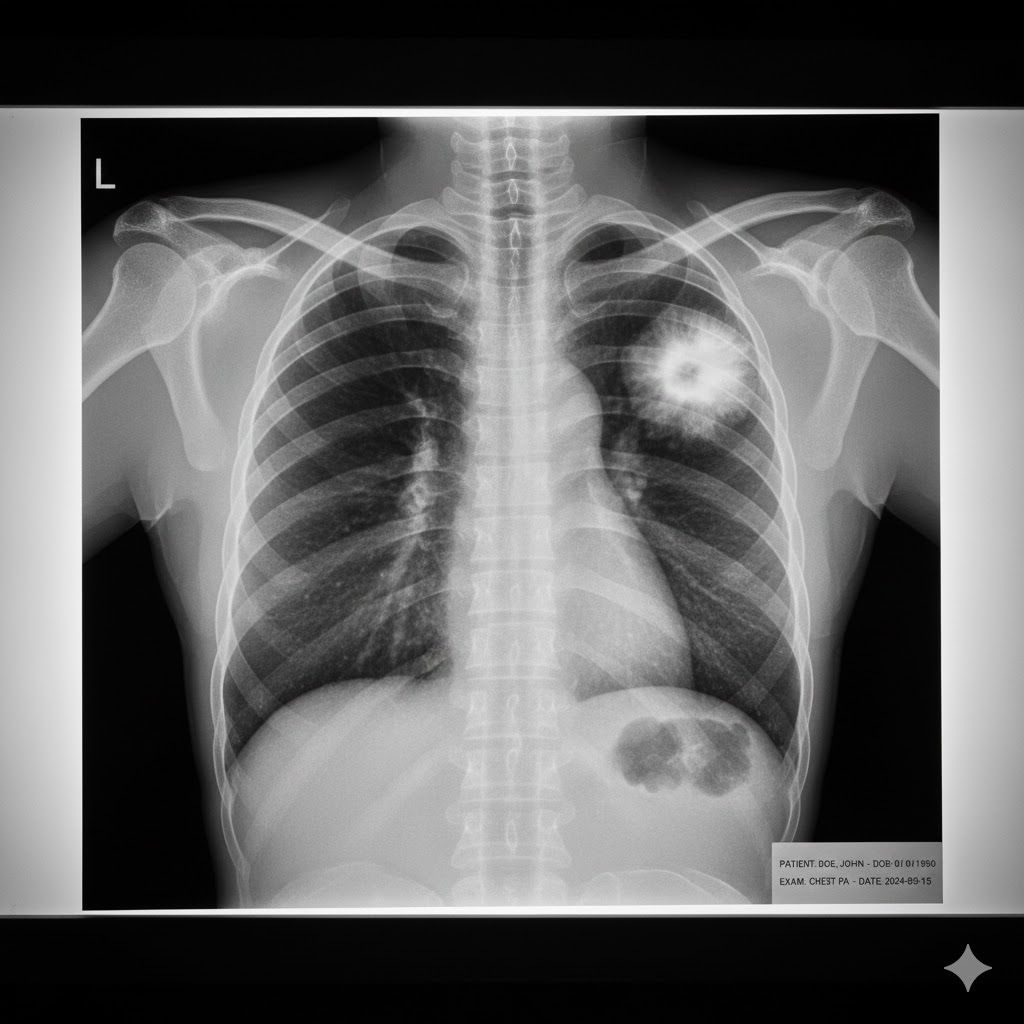
    Imaging Tests such as a Chest X-ray or CT (Computed Tomography) Scan are used to identify suspicious areas. Low-Dose CT (LDCT) is the only recommended screening tool for high-risk individuals (those with a long smoking history, current smokers, or those who quit within the last 15 years, usually aged 50–80). A PET (Positron Emission Tomography) Scan is typically used to check for the spread of cancer to other parts of the body (staging).

    A Biopsy is the definitive and only way to confirm a cancer diagnosis. A small sample of tissue is removed using a procedure like a bronchoscopy or a CT-guided needle biopsy. This sample is then meticulously examined under a microscope. Furthermore, Molecular Testing of the biopsy tissue is essential for advanced cases, as it checks for specific gene changes (mutations) that can inform targeted treatment options, particularly for NSCLC.

    Treatment and Prognosis

    Treatment selection depends critically on the type of cancer, the stage at diagnosis, and the patient’s overall health.

    Treatment ModalityDescription
    SurgeryOften used for early-stage NSCLC to remove the tumor (e.g., lobectomy, pneumonectomy). It is rarely a primary treatment for SCLC.
    Radiation TherapyUses high-energy rays to kill cancer cells. It can be used alone, before or after surgery, or in conjunction with chemotherapy.
    ChemotherapyAnti-cancer drugs used to destroy cancer cells throughout the body. This is a primary treatment for SCLC.
    Targeted TherapyDrugs that specifically attack certain gene mutations in cancer cells, often used for advanced NSCLC.
    ImmunotherapyDrugs that stimulate the body’s own immune system to recognize and destroy cancer cells.
    Palliative CareFocuses on managing symptoms and improving the patient’s quality of life, especially in later stages of the disease.

    Survival and the Benefit of Early Detection

    The prognosis for lung cancer is heavily influenced by the stage at which it is found. Early detection drastically improves survival odds. The statistics below are the 5-year relative survival rates (the percentage of people who live for at least 5 years after diagnosis compared to the general population).

    Overall Survival Rates (All Stages, US data)1-Year Survival5-Year Survival
    All Lung Cancer CombinedApprox. 45% (UK data)Approx. 29.7% (US data)
    Survival by Stage at Diagnosis (US SEER Data)5-Year Survival Rate (NSCLC)5-Year Survival Rate (SCLC)
    Localized (confined to the lung)67%34%
    Regional (spread to nearby lymph nodes)40%20%
    Distant (spread to distant organs)12%4%

    The takeaway is clear: catching the cancer when it is Localized—which often occurs through screening for high-risk individuals—results in a significantly better outcome. Quitting smoking today is the single most important action you can take to lower your risk, improve your body’s ability to heal, and increase your chances of a better prognosis if a diagnosis does occur.


    Rate this article by clicking on the desired number of stars:
    1 Star2 Stars3 Stars4 Stars5 Stars (No Ratings Yet)
    Loading...

    Please use the “Comments” field below to share your experience or suggest improvements to this article.


  • Cigars

    Cigars

    Here is what you need to know about cigars: their nicotine content, the amount of nicotine absorbed by cigar smokers compared to cigarette smokers, the toxicity and addictiveness of cigars compared to cigarettes, a comparison between the smoking behaviour of cigar smokers and cigarette smokers, and finally, whether cigars help people quit smoking cigarettes or reduce the number of cigarettes smoked per day


    Nicotine Content and Absorption

    A cigar is a roll of fermented and dried tobacco leaves, wrapped in another tobacco leaf. They come in various sizes, from small “cigarillos” (which can resemble cigarettes) to large, premium cigars.

    • High Nicotine Content:
      • A single large cigar can contain as much nicotine as a whole pack of cigarettes (20 cigarettes). This can range from 100 to 200 milligrams (mg) of nicotine, with some larger cigars exceeding 500 mg.
      • In contrast, an average cigarette contains about 10-12 mg of nicotine.
    • Absorption in Cigar Smokers:
      • Even if cigar smokers usually don’t inhale cigar smoke as deeply into their lungs as cigarette smokers, some nicotine is inhaled ans some is readily absorbed through the lining of the mouth. This means cigar smokers still get significant amounts of nicotine into their bloodstream, leading to addiction.
      • For those who do inhale cigar smoke (especially people who switch from cigarettes or smoke smaller cigars), the nicotine absorption is even higher, similar to cigarette smokers.

    Toxicity and Addictiveness Compared to Cigarettes

    While the method of use differs, cigars are toxic and addictive, though the pattern of risk can vary.

    • Toxicity:
      • Like cigarettes, cigar smoke contains toxic and cancer-causing chemicals (carcinogens). These include carbon monoxide, hydrogen cyanide, ammonia, and cancer-causing nitrosamines.
      • Oral Risks: Because the smoke is held in the mouth, cigar smoking significantly increases the risk of oral cancers (mouth, throat, larynx, esophagus), gum disease, and tooth loss.
      • Lung Risks: While cigar smokers may inhale less deeply, many do inhale, especially those previously used to cigarettes. This leads to increased risks of lung cancer, emphysema, and chronic bronchitis.
      • Heart Disease: The carbon monoxide and nicotine in cigar smoke also increase the risk of heart disease and stroke, just like with cigarettes.
      • Secondhand Smoke: Cigar smoke contributes to secondhand smoke, exposing non-smokers to harmful chemicals.
    • Addictiveness:
      • Highly Addictive: The high nicotine content in cigars makes them just as addictive as cigarettes. Even if you don’t inhale, the nicotine absorbed through the mouth is enough to establish and maintain dependence.
      • Withdrawal: Cigar smokers experience the same nicotine withdrawal symptoms (cravings, irritability, anxiety, difficulty concentrating, insomnia, increased appetite and weight gain) when they try to quit.

    Smoking Behavior: Cigars vs. Cigarettes

    There are typical differences in how people smoke cigars compared to cigarettes, though these aren’t universal.

    • Cigarette Smokers: Tend to smoke many cigarettes throughout the day, often inhaling deeply and frequently. The goal is rapid nicotine delivery.
    • Cigar Smokers:
      • Less Frequent: Many cigar smokers may smoke fewer cigars per day or week compared to a cigarette smoker’s daily cigarette count.
      • “Puffing” vs. Inhaling: Traditionally, cigar smokers tend to “puff” on the cigar and hold the smoke in their mouth, rather than inhaling into the lungs. However, this is not always the case, especially with smaller cigars or among former cigarette smokers.
      • Longer Smoking Time: A single cigar can take 30 minutes to over an hour to smoke.

    Can Cigars Help You Quit Cigarettes?

    No, cigars do NOT help you quit smoking cigarettes or reduce your overall tobacco use.

    • Maintaining Nicotine Addiction: Switching to cigars simply means you are replacing one form of nicotine and tobacco addiction with another. You are still exposing yourself to harmful chemicals and maintaining your dependence on nicotine.
    • Dual use: Many people who try to switch to cigars end up becoming ‘dual users’, meaning they smoke both cigarettes and cigars. However, they absorb about the same amount of nicotine as when they smoked only cigarettes, and the health risks are roughly the same as those associated with smoking cigarettes exclusively.
    • No Approved Cessation Aid: Health authorities and medical professionals do not recommend cigars as a method for quitting smoking.

    Rate this article by clicking on the desired number of stars:
    1 Star2 Stars3 Stars4 Stars5 Stars (No Ratings Yet)
    Loading...

    Please use the “Comments” field below to share your experience or suggest improvements to this article.


  • Testimonials

    Testimonials

    Share your own story, and encourage others to quit smoking.

    Write a testimonial or personal story:


  • Relapse

    Relapse

    Quitting smoking is often a difficult break from a powerful addiction. However, the real test of resilience often begins after the initial withdrawal phase. A relapse is not a failure, but a common obstacle—a sign that the addiction pathways in the brain are still active. To remain abstinent in the long term, you must not only stay away from smoking, but actively build a life in which smoking no longer plays a role. This transition requires practical strategies and an unwavering commitment.

    Identifying the Enemy: High-Risk Triggers

    The majority of relapses occur in predictable situations that act as powerful psychological cues. Understanding these personal triggers is the first line of defense. They fall broadly into four categories:

    1. Social Triggers: Being around other smokers is perhaps the most immediate danger. Attending a party where everyone steps outside for a smoke break or going to a bar where smoking is allowed can easily compromise resolve.
    2. Emotional Triggers: Stress, anxiety, boredom, anger, sadness, or even a celebration can all signal the brain that it needs the soothing or stimulating effect of nicotine. For example, the former smoker who always reached for a cigarette after a heated argument with a spouse must have a replacement plan ready before the next disagreement even begins.
    3. Routine Triggers: These are the habitual pairings—the ritualistic moments in the day tied to a cigarette. The first cup of coffee in the morning, the end of a meal, or getting into the car are all prime examples. These triggers are the most ingrained and require consistent, active substitution.
    4. Craving and other nicotine withdrawal symptoms: a very strong urge to smoke (craving), being in a bad mood (sad or depressed, angry, irritable, impatient or agitated, anxious or nervous, rapid mood swings), poor sleep (insomnia), difficulty concentrating, increased hunger and weight gain. But quitting smoking also brings about a rapid improvement in smell and taste. These symptoms are alleviated by nicotine replacement therapy.

    The Escape Plan: Avoidance and Substitution

    To successfully navigate these high-risk moments, preparation is key. Avoidance is the simplest tactic for the immediate term. For instance, if a specific coffee shop was the regular smoking spot, the former smoker should temporarily change their morning routine, perhaps opting for tea at home or taking a different route to work.

    When avoidance is impossible, substitution becomes the main tool. This is where the commitment to a new behavior must override the old habit. If stress is the trigger, a five-minute substitution could involve deep-breathing exercises, a quick walk around the block, or texting a supportive friend. If the trigger is the end of a meal, the former smoker needs to immediately engage the mouth and hands with something else—brushing teeth right away, chewing nicotine gum, or eating a piece of hard candy. The crucial action is disrupting the old routine instantly.

    Navigating Cravings: The Four D’s

    Cravings, even months after quitting, are intense but short-lived. They typically peak within three to five minutes. Former smokers need a repertoire of rapid response mechanisms to survive this brief window of desire. In addition to taking a nicotine gum of lozenge, experts recommend the “Four D’s” strategy:

    • Delay: Wait it out. Tell oneself, “I will wait five minutes and see how I feel then.” By delaying, the intensity often subsides before the person gives in.
    • Deep Breathe: Take ten slow, deep breaths. This not only distracts but also helps manage the anxiety often associated with the craving.
    • Drink Water: Sip a glass of water slowly. The physical act engages the mouth and provides a minor distraction.
    • Do Something Else: Immediately change activities. If one is sitting, they should stand up and move. If they are talking, they should shift the topic. A quick distraction breaks the mental focus on the craving.

    Weight Gain

    Many former smokers gain a few pounds after quitting smoking. Weight gain can be delayed by using nicotine replacement products (patches, gum, tablet). This way, you can tackle one difficulty at a time: first, you quit smoking, then you use nicotine replacement products for a few months, and only when you stop using these products will you possibly gain weight.

    The Relapse Management Protocol

    The ultimate mistake is to treat a single slip as a total failure. A single cigarette is a slip, not a surrender. The danger lies in the self-defeating mindset that follows, leading to the full return to regular smoking.

    A successful relapse management protocol requires compassion and immediate action. If a former smoker has a cigarette, the focus must be on what happened just before that moment, identifying the trigger (Was it alcohol? Stress? A specific person?) and analyzing what defensive measure was skipped. The goal is to learn from the mistake and immediately recommit to the quit effort, disposing of any remaining cigarettes and reinforcing the substitution tactics for the next high-risk situation.

    Long-term success is built on the realization that abstinence is a continuous, conscious effort. It requires maintaining motivation, celebrating every smoke-free day, and understanding that managing the urge to smoke is a skill that improves, but never entirely disappears. Staying vigilant against the triggers is the true path to a permanently smoke-free life.


    Use the ‘Comments’ field below to share your experience or to suggest improvements to this article.