
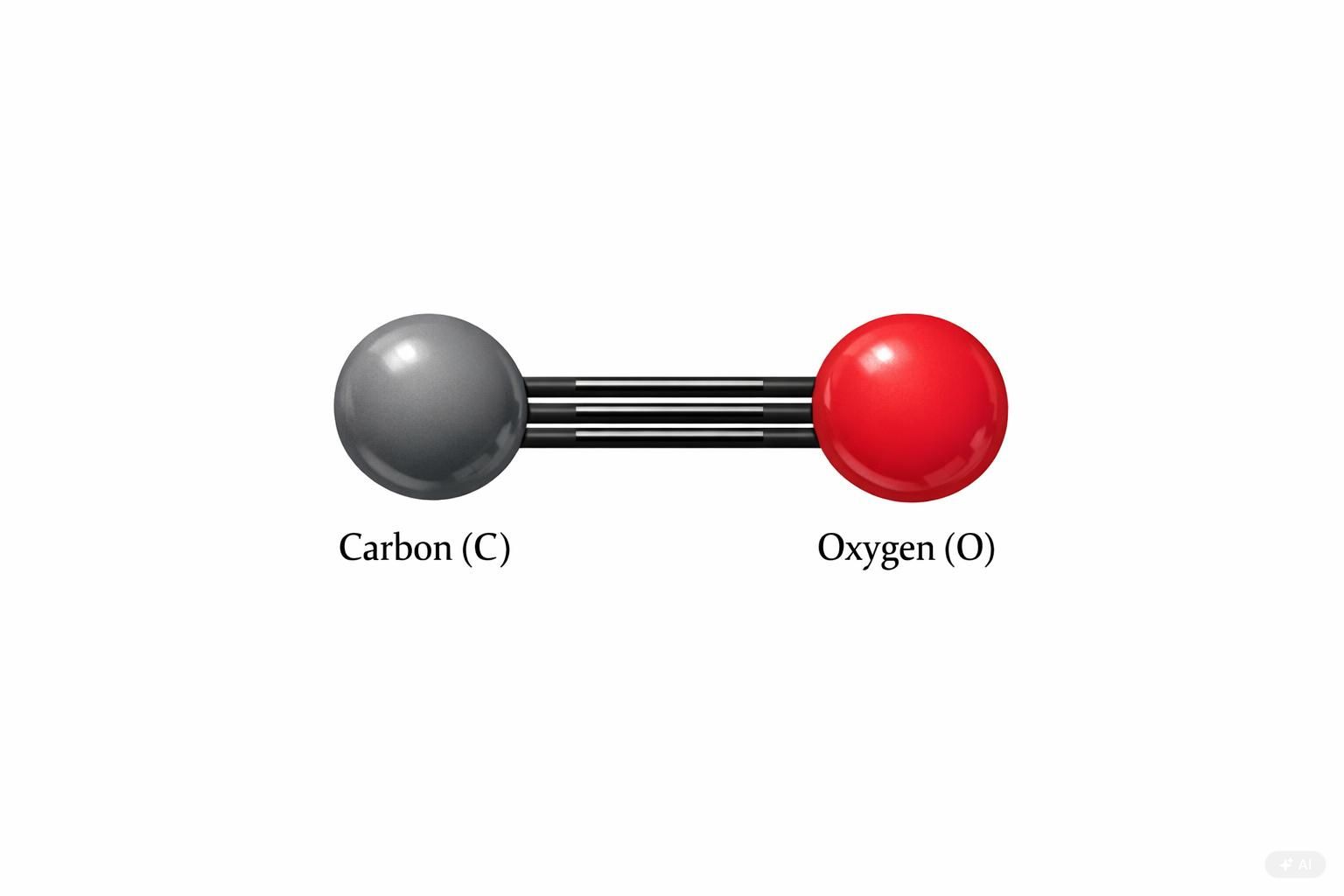
Carbon monoxide (CO) is one of the most harmful gases inhaled when smoking. It is invisible, odorless, and tasteless, yet it has immediate and significant effects on the body.
Carbon monoxide is produced whenever carbon-containing materials, such as tobacco, burn incompletely. When a cigarette is lit, it generates CO that is inhaled into the lungs and rapidly passes into the bloodstream. There, it binds strongly to hemoglobin, the molecule responsible for carrying oxygen. This binding forms carboxyhemoglobin, which reduces the blood’s capacity to transport oxygen to tissues and organs.
Each cigarette causes a measurable rise in carbon monoxide levels. After smoking a single cigarette, carboxyhemoglobin levels in the blood typically increase to around 3 to 6 percent. In people who smoke regularly, especially those consuming a pack per day, these levels often remain between 5 and 10 percent, and can be even higher in heavy smokers. By contrast, non-smokers usually have levels between 0.5 and 1 percent, meaning that smokers may carry five to ten times more carbon monoxide in their blood.
This difference is also reflected in exhaled air. In non-smokers, exhaled carbon monoxide levels are usually very low, typically around 1 to 5 parts per million (ppm). In smokers, however, exhaled CO commonly ranges from about 10 to 30 ppm, and can exceed this range depending on how recently and how heavily the person has smoked. These measurements are often used in smoking cessation programs to provide visible feedback on exposure.
Consequences:
The presence of carbon monoxide in the blood reduces oxygen delivery throughout the body, which has widespread consequences. In the short term, this leads to reduced physical performance, increased breathlessness, headaches, and a higher heart rate as the body attempts to compensate for the lack of oxygen. Over time, the strain on the cardiovascular system contributes to the development of heart disease and stroke. Carbon monoxide also damages blood vessels and accelerates the process of atherosclerosis. In individuals with existing conditions such as angina or chronic obstructive pulmonary disease, the effects can be particularly severe. In pregnant women, carbon monoxide exposure reduces oxygen supply to the fetus, increasing the risk of low birth weight and developmental complications.
How quickly does carbon monoxide disappear after quitting?
One of the most encouraging aspects of carbon monoxide exposure is how quickly the body begins to recover after smoking stops. Within about eight hours of the last cigarette, carbon monoxide levels in the blood drop by roughly half. Within 12 to 24 hours, levels return close to those seen in non-smokers. After about 48 hours, carbon monoxide is essentially eliminated from the bloodstream. As this happens, oxygen delivery improves rapidly, and many people begin to notice that breathing becomes easier and energy levels increase within a very short time.




Leave a Reply