Category: Products

  • Carbon monoxide

    Carbon monoxide

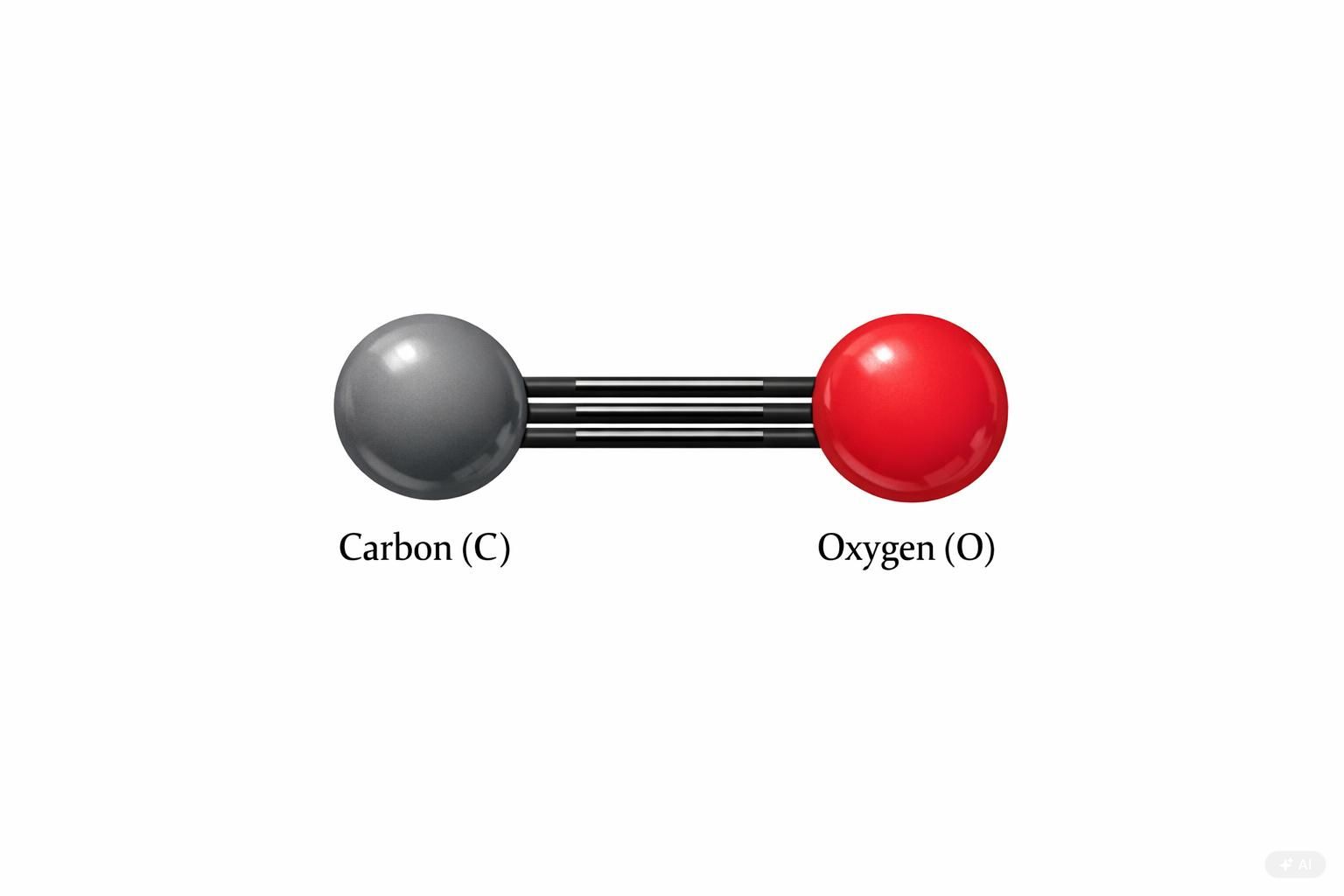
    Carbon monoxide (CO) is one of the most harmful gases inhaled when smoking. It is invisible, odorless, and tasteless, yet it has immediate and significant effects on the body.

    Carbon monoxide is produced whenever carbon-containing materials, such as tobacco, burn incompletely. When a cigarette is lit, it generates CO that is inhaled into the lungs and rapidly passes into the bloodstream. There, it binds strongly to hemoglobin, the molecule responsible for carrying oxygen. This binding forms carboxyhemoglobin, which reduces the blood’s capacity to transport oxygen to tissues and organs.

    Each cigarette causes a measurable rise in carbon monoxide levels. After smoking a single cigarette, carboxyhemoglobin levels in the blood typically increase to around 3 to 6 percent. In people who smoke regularly, especially those consuming a pack per day, these levels often remain between 5 and 10 percent, and can be even higher in heavy smokers. By contrast, non-smokers usually have levels between 0.5 and 1 percent, meaning that smokers may carry five to ten times more carbon monoxide in their blood.

    This difference is also reflected in exhaled air. In non-smokers, exhaled carbon monoxide levels are usually very low, typically around 1 to 5 parts per million (ppm). In smokers, however, exhaled CO commonly ranges from about 10 to 30 ppm, and can exceed this range depending on how recently and how heavily the person has smoked. These measurements are often used in smoking cessation programs to provide visible feedback on exposure.

    Consequences:

    The presence of carbon monoxide in the blood reduces oxygen delivery throughout the body, which has widespread consequences. In the short term, this leads to reduced physical performance, increased breathlessness, headaches, and a higher heart rate as the body attempts to compensate for the lack of oxygen. Over time, the strain on the cardiovascular system contributes to the development of heart disease and stroke. Carbon monoxide also damages blood vessels and accelerates the process of atherosclerosis. In individuals with existing conditions such as angina or chronic obstructive pulmonary disease, the effects can be particularly severe. In pregnant women, carbon monoxide exposure reduces oxygen supply to the fetus, increasing the risk of low birth weight and developmental complications.

    How quickly does carbon monoxide disappear after quitting?

    One of the most encouraging aspects of carbon monoxide exposure is how quickly the body begins to recover after smoking stops. Within about eight hours of the last cigarette, carbon monoxide levels in the blood drop by roughly half. Within 12 to 24 hours, levels return close to those seen in non-smokers. After about 48 hours, carbon monoxide is essentially eliminated from the bloodstream. As this happens, oxygen delivery improves rapidly, and many people begin to notice that breathing becomes easier and energy levels increase within a very short time.


  • Choosing E-Liquid Flavors

    Choosing E-Liquid Flavors

    To quit smoking using an e-cigarette, it’s crucial to find a flavor that suits you. Choosing an e-liquid with the right flavor can make the difference between successfully quitting and relapsing. In this article, we examine the needs of recent and long-term ex-smokers, explore the pros and cons of the main flavor categories, and explain why it’s essential to test flavors before buying an e-liquid.


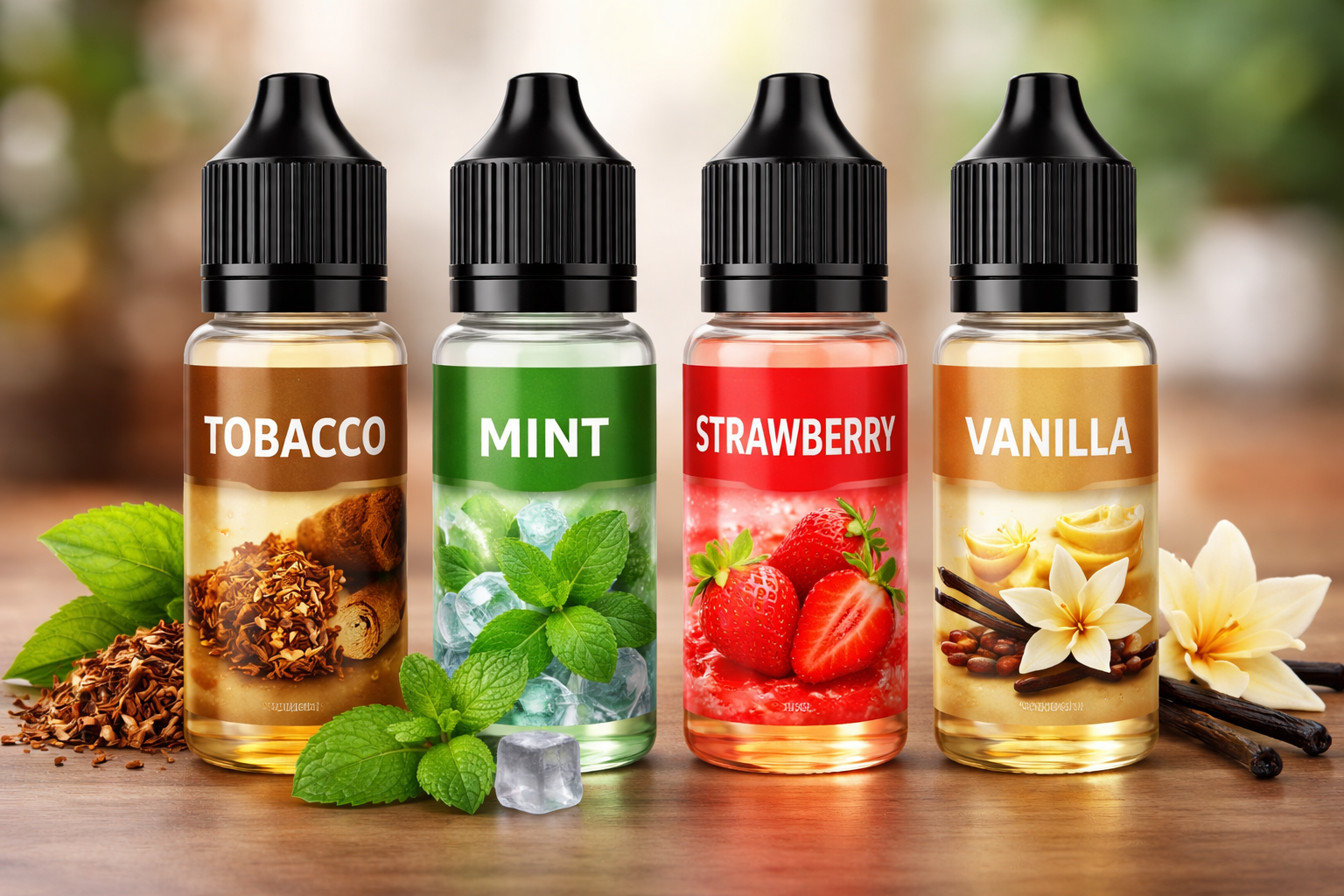
    The Main E-Liquid Flavor Categories

    Tobacco Flavors

    Tobacco flavors are often the first choice for smokers transitioning to vaping because they closely mimic the taste of traditional cigarettes. This familiarity can make the transition smoother and reduce the psychological gap between smoking and vaping. However, these flavors are not always as rich or satisfying as real tobacco, and some users find them disappointing after a short time. In addition, continuing to use tobacco flavors may prolong the attachment to smoking, which can slow down the process of fully moving away from cigarettes.


    Mint and Menthol Flavors

    Mint and menthol flavors offer a fresh sensation that many smokers appreciate, especially those who previously smoked menthol cigarettes. These flavors also provide a stronger throat hit, which helps replicate part of the smoking experience. On the downside, mint flavors can become overpowering with frequent use, and the range of variations is more limited compared to other categories such as fruit or dessert flavors.


    Fruit Flavors

    Fruit flavors are among the most popular choices due to their wide variety and refreshing taste. They can range from simple single-fruit options to complex blends, making them suitable for all-day vaping. Importantly, they help create a clear break from the taste of cigarettes, which can support long-term smoking cessation. However, for heavy smokers at the beginning of their journey, fruit flavors may feel too light or insufficiently satisfying. Some products can also taste overly sweet or artificial, depending on their formulation.


    Dessert and Sweet Flavors

    Dessert flavors, such as vanilla, custard, or caramel, are rich and indulgent and can provide a high level of satisfaction. They may also help compensate for sugar cravings that sometimes appear after quitting smoking. These flavors are particularly appreciated by experienced vapers who are looking for variety and enjoyment. However, they can feel heavy over time and may quickly lead to flavor fatigue. For beginners, they are not always the best starting point, as their intensity can be overwhelming.


    Choosing the Right Flavor for Your Profile

    Beginner Vapers (Quitting Smoking)

    For individuals who are just starting to vape with the goal of quitting smoking, familiarity and simplicity are essential. Tobacco flavors or menthol options, especially for those who previously smoked menthol cigarettes, can ease the transition and make the experience more comfortable. Choosing flavors that are not overly sweet or complex helps maintain consistency during the early stages. Over time, as the reliance on cigarettes decreases, gradually experimenting with fruit flavors can help create distance from tobacco and support long-term success.


    Experienced Vapers (Avoiding Relapse)

    For ex-smokers who have already transitioned away from smoking, the challenge becomes maintaining satisfaction and preventing boredom and late relapse. Relying exclusively on tobacco flavors is generally not recommended at this stage, as it can maintain a connection with past smoking habits. Instead, rotating between fruit and dessert flavors and exploring more complex combinations can keep the experience engaging. This diversity plays an important role in reducing the risk of relapse by ensuring that vaping remains enjoyable and fulfilling.

    According to our own survey of long-term vapers (former smokers who had been vaping for at least 5 years), 26% used fruit flavors, 18% used tobacco flavors, 14% used mint/menthol flavors, and the next most popular flavors were vanilla, coffee, RY4, and caramel (3–5% each).(1)


    The Importance of Testing Flavors Before Buying

    Choosing an e-liquid based solely on its description can be misleading, as taste is highly subjective. A flavor that works well for one person may be unpleasant for another. Testing flavors in a specialty store (vape shop) allows users to try different options before committing to a purchase, reducing the risk of disappointment. It also provides the opportunity to compare several flavors in a short time and to receive personalized advice from knowledgeable staff. Many users discover their preferred “all-day flavor” through this process, which can be a key factor in successfully quitting smoking.


    There is no single flavor that works for everyone. Preferences evolve over time, and what feels satisfying at one stage may change later. Being open to experimentation, switching flavors when necessary, and keeping some variety can help prevent fatigue and maintain motivation. Taking the time to test flavors in a vape shop is a simple but effective step that can significantly improve the chances of quitting smoking for good.


    Use the ‘Comments’ field below to suggest improvements to this article, and to share your experience.


    Reference:

    Jean-François Etter, An 8-year longitudinal study of long-term, continuous users of electronic cigarettes, Addictive Behaviors, Volume 149, 2024, 107891, ISSN 0306-4603, https://doi.org/10.1016/j.addbeh.2023.107891.


  • JUUL

    JUUL

    When the electronic cigarette market was still experimental, a small USB-shaped device launched in 2015 quickly transformed the landscape. That device was JUUL. Within a few years it dominated the American vaping market, triggered fierce public health debates, and became one of the most controversial nicotine products ever sold.

    Today JUUL sits at the center of two competing narratives. One sees it as a harm-reduction tool capable of helping adult smokers move away from combustible cigarettes. The other views it as the symbol of a youth vaping epidemic. Understanding its role requires looking closely at how the product works, what it contains, and what the scientific and regulatory evidence actually shows.


    What JUUL is

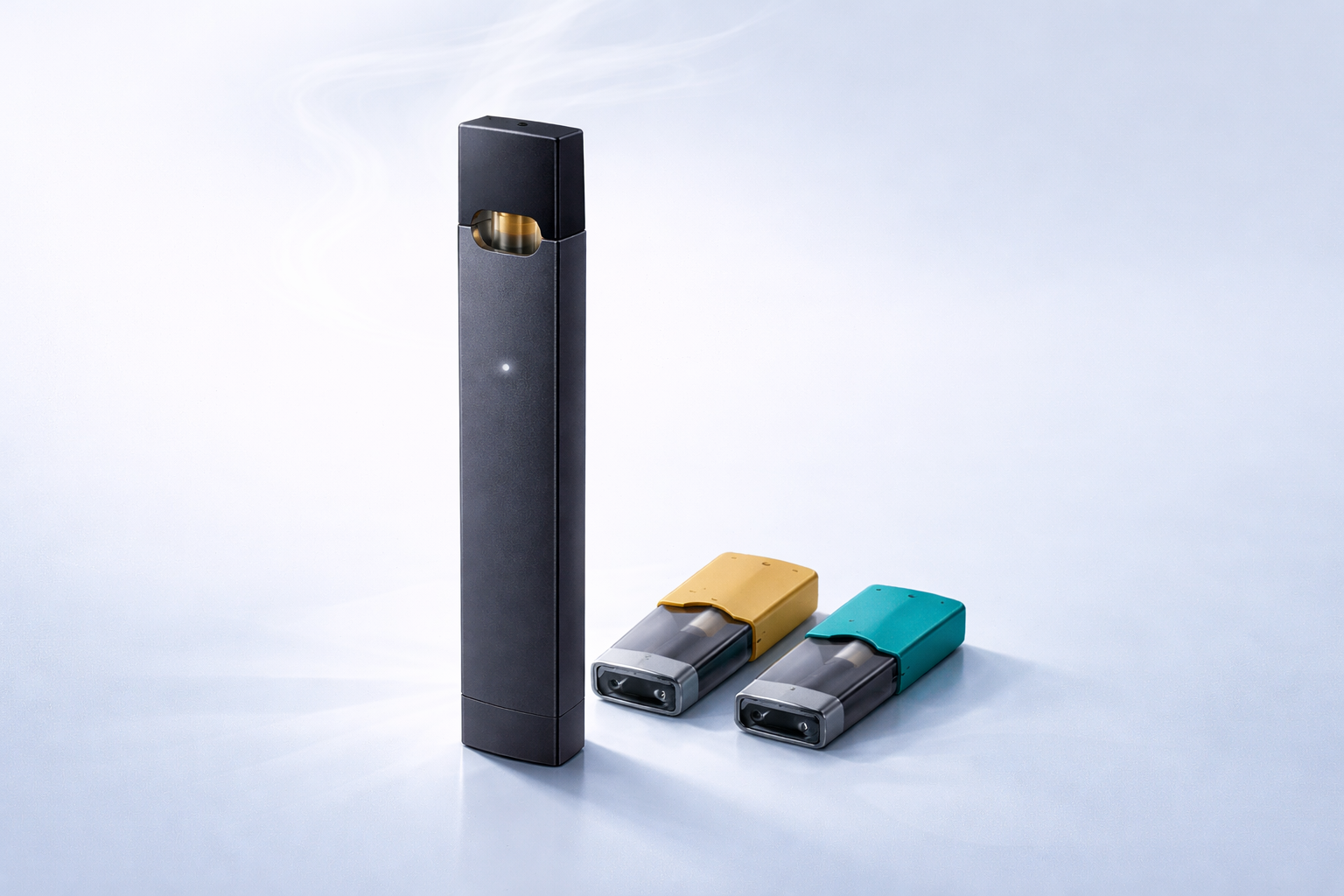
    JUUL is a closed-system electronic cigarette consisting of two main components: a rechargeable battery device and a disposable cartridge known as a JUULpod. The pod contains a liquid made of nicotine, propylene glycol, glycerin and flavorings. A small heating element inside the device vaporizes the liquid, producing an aerosol that can be inhaled.

    JUUL involves no combustion. Instead, the device generates a vapor containing nicotine and other substances. This difference is central to the harm-reduction argument often made by supporters of vaping: many of the toxic chemicals found in cigarette smoke are created during combustion.

    The design of JUUL was intentionally minimalist. Roughly the size of a USB flash drive, the device can be charged directly using a small USB charger. Its discreet appearance and simplicity helped distinguish it from earlier, bulkier e-cigarettes.

    One technical feature set JUUL apart from many earlier vaping products: the use of nicotine salts. This formulation allows relatively high concentrations of nicotine to be inhaled with less throat irritation than traditional “free-base” nicotine liquids. As a result, the device can deliver nicotine in a way that more closely resembles the sensation of smoking a cigarette.


    How the device is used

    Using a JUUL is intentionally straightforward. After charging the device, the user inserts a cartridge into the top of the battery. The device has no buttons or settings. It activates automatically when the user inhales through the mouthpiece, producing vapor almost immediately.

    Each cartridge contains a fixed quantity of liquid and typically lasts several hundred puffs. For many users this corresponds roughly to the nicotine intake of a pack of cigarettes, although individual consumption patterns vary widely.

    The closed-pod system means that users do not refill the device manually. When the liquid is finished, the cartridge is replaced.


    Models and product evolution

    Compared with other vaping brands, JUUL has released relatively few device models. The company has generally focused on refining a simple and recognizable design rather than offering numerous variations.

    The original JUUL device, introduced in 2015, established the format that would become widely imitated: a slim rectangular body, a magnetic charger and a cartridge that snaps into place at the top.

    A later version known as the JUUL C1 added Bluetooth connectivity. Through a smartphone application, users could locate a misplaced device or monitor usage patterns. The feature was presented as a way to help users track nicotine consumption.

    More recently the company introduced JUUL2, a redesigned device with modified pods intended to reduce leakage and improve performance. Availability of this newer generation varies by market, and in many regions the original system remains the most widely recognized version.


    Nicotine concentrations

    One of the distinctive characteristics of JUUL products has been their relatively high nicotine content. In the United States the most common pods contain nicotine concentrations of 5 percent or 3 percent by weight, corresponding to roughly 59 mg/mL and 35 mg/mL respectively.

    These levels are significantly higher than those found in many e-cigarette liquids. The use of nicotine salts makes these concentrations easier to inhale without the harsh throat sensation that would typically accompany such levels.

    Regulations in other regions impose stricter limits. In the European Union, for example, nicotine concentrations in vaping liquids are capped at 20 mg/mL under the Tobacco Products Directive. JUUL pods sold in those markets therefore contain lower nicotine levels than their American counterparts.


    Flavors

    Flavors played a major role in the early growth of JUUL. In its first years on the market the company offered a wide range of varieties, including fruit and dessert flavors. These products quickly became some of the most popular options among users.

    However, flavors also became the focus of intense criticism from public health advocates and regulators, who argued that sweet varieties were particularly appealing to adolescents.

    In response to mounting regulatory pressure, JUUL removed most flavored pods from the U.S. market. The products currently authorized there are primarily tobacco-flavored and menthol pods, a restriction intended to reduce the appeal of the product to young people while still offering alternatives to adult smokers.


    Can JUUL help smokers quit?

    Whether JUUL helps smokers stop smoking remains a subject of debate. Some studies indicate that certain smokers switch completely from cigarettes to vaping products, thereby reducing exposure to the toxic substances produced by burning tobacco.

    Regulators in the United States concluded that evidence submitted by the company showed that some adult smokers successfully transitioned away from cigarettes when using the device. On that basis, the product was considered to have potential benefits for smokers who would otherwise continue to use combustible tobacco.

    At the same time, JUUL has never been approved as a smoking-cessation medicine. Unlike nicotine replacement therapies such as patches or gums, it is not marketed as a therapeutic product designed to treat nicotine dependence.


    Youth vaping and the controversy surrounding JUUL

    The rise of JUUL coincided with a sharp increase in youth vaping in the United States during the late 2010s. Within a few years the brand captured a large share of the American e-cigarette market, and surveys reported growing experimentation among adolescents.

    Several factors likely contributed to the product’s popularity among teenagers. The discreet design made it easy to conceal, the nicotine delivery was strong compared with earlier vaping devices, and early marketing campaigns made heavy use of social media imagery that critics said resembled lifestyle advertising.

    The surge in youth use triggered investigations, lawsuits and regulatory action. The company eventually agreed to large financial settlements with several U.S. states over allegations related to youth marketing.

    These events turned JUUL into a central figure in the debate over vaping and youth nicotine use.


    The gateway question

    A key issue in that debate is whether vaping products act as a gateway to cigarette smoking among young people. Some studies have observed that adolescents who experiment with e-cigarettes are statistically more likely to try cigarettes later.

    Researchers disagree about how this relationship should be interpreted. Some argue that nicotine exposure may increase the likelihood of later tobacco use. Others point out that the same underlying factors—such as sensation-seeking behavior or social influences—may lead young people to experiment with multiple products.

    Because of these competing explanations, the gateway hypothesis remains a subject of ongoing scientific discussion rather than a settled conclusion.


    Public health impact

    Assessing JUUL’s overall impact on public health requires balancing potential benefits against possible harms. On one side of the equation is the possibility that some smokers may switch from combustible cigarettes to a product that does not involve burning tobacco. On the other side are concerns about youth nicotine addiction and long-term dependence on vaping products.

    Public health authorities increasingly evaluate nicotine products at the population level, asking whether the number of smokers who move away from cigarettes outweighs the number of non-smokers who begin using nicotine.

    The answer may vary across countries and over time as regulations, marketing practices and social attitudes change.


    FDA authorization in the United States

    JUUL’s regulatory path in the United States has been complex. After several years of review, the U.S. Food and Drug Administration authorized the marketing of the JUUL device and certain pods through its premarket tobacco product application process.

    The authorization covers the device together with tobacco-flavored and menthol pods in specific nicotine strengths. According to the FDA, the available evidence indicated that these products could be considered “appropriate for the protection of public health,” a legal standard that weighs potential benefits for adult smokers against the risks to youth.

    The agency emphasized that this authorization does not mean the product is safe. It simply allows the company to market the product legally under strict regulatory oversight, with continued monitoring of youth use and marketing practices.


    A product that reshaped the nicotine debate

    Few consumer products have had such a rapid and polarizing effect on the nicotine market. JUUL reshaped the e-cigarette industry, accelerated the debate over tobacco harm reduction and forced regulators to confront difficult trade-offs between protecting young people and providing alternatives for adult smokers.

    Over a decade after its introduction, JUUL remains both a symbol of the promise of reduced-risk nicotine products and a reminder of the complex challenges they pose for public health.


    Use the ‘Comments’ field below to share your experience with JUUL or to suggest improvements to this article.

  • Nicotine pouches

    Nicotine pouches

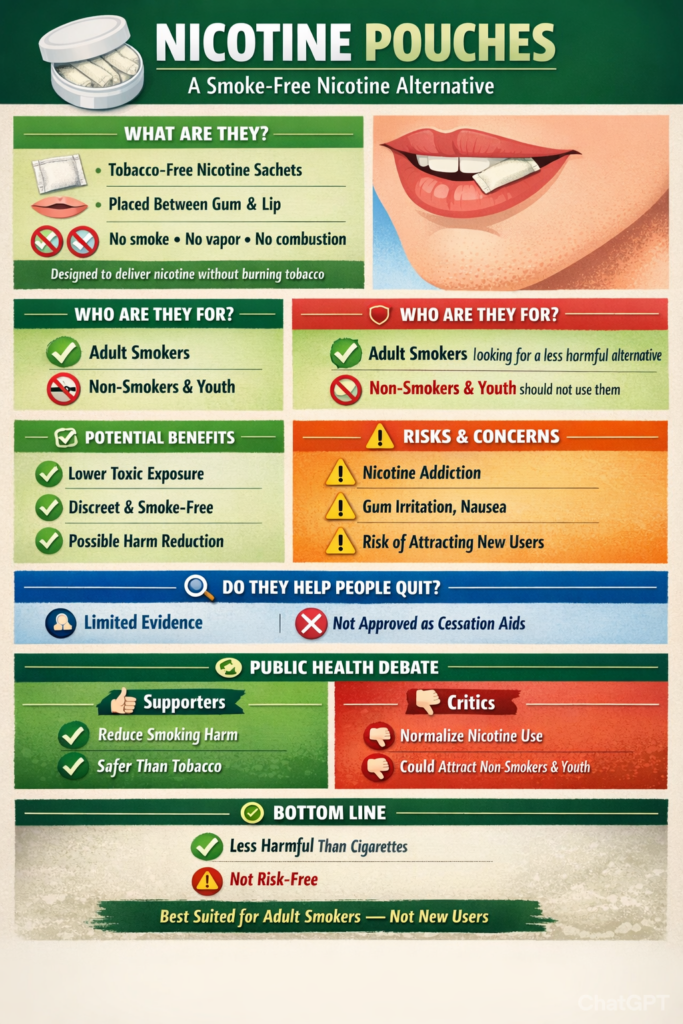
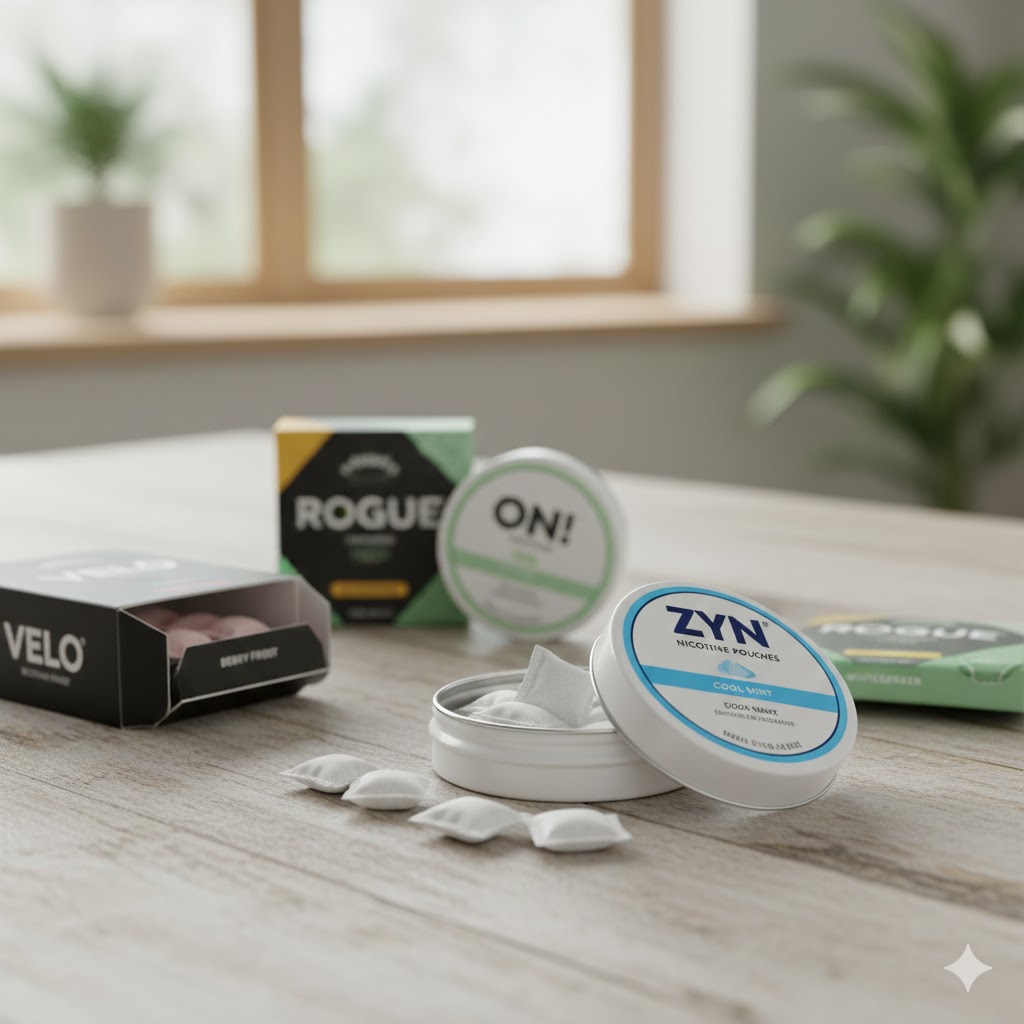
    In the evolving landscape of nicotine products, a new contender has emerged: the nicotine pouch. These small, often mint-flavored sachets offer a smoke-free, vapor-free nicotine experience. But what exactly are these pouches, and do they represent a step forward in public health?

    What is a nicotine pouch?

    Nicotine pouches are designed for oral use, placed between the gum and lip where nicotine is absorbed through the lining of the mouth. Unlike traditional chewing tobacco or snus, they are tobacco-free. Instead, they contain a pharmaceutical-grade nicotine salt, typically derived from the tobacco plant but purified. This nicotine is then mixed with food-grade fillers, flavorings (mint or fruits), sweeteners and pH regulators, all enclosed within a small, permeable cellulose pouch. The absence of tobacco leaf itself is a key advantage, positioning them as a cleaner alternative. Because nothing is burned or heated, users are not exposed to tar or carbon monoxide, two of the most dangerous byproducts of smoking.

    Who should use them and who should not

    Public health authorities broadly agree on one point: people who do not already use nicotine should not start. That includes children, teenagers and adults with no history of smoking or nicotine dependence. For these groups, nicotine offers no health benefit. The very nature of nicotine – an addictive substance – means that these pouches should not be used by never-smokers.

    The target consumers of nicotine pouches are adult smokers seeking an alternative to cigarettes, and a convenient way to get nicotine in situations where smoking or vaping is not permitted or desired. For individuals already addicted to nicotine through other means, switching to a tobacco-free product is a logical step toward reducing exposure to harmful combustion chemicals.

    Nicotine pouches are comparable to nicotine gum or lozenges, though they are sold as consumer products rather than medical therapies. This difference matters, because nicotine replacement therapies are regulated, dosed, and usually accompanied by guidance on quitting, while pouches are marketed for ongoing use.

    Toxicity and Side Effects

    The toxicity and side effects of nicotine pouches, while less severe than those associated with smoked tobacco, are not negligible. Nicotine itself is a potent chemical, and its rapid absorption can lead to addiction and to symptoms like nausea, hiccups, and gum irritation. There is also the potential for accidental ingestion by children, which can lead to nicotine poisoning requiring urgent medical attention.

    Are nicotine pouches effective for smoking cessation?

    As for their effectiveness in helping people quit smoking, the evidence remains limited. Unlike nicotine patches or prescription medications, nicotine pouches have not been widely studied in randomized clinical trials for smoking cessation. While some users report successfully transitioning from cigarettes to pouches, and even subsequently reducing their overall nicotine intake, these products are not officially recognized as smoking cessation aids by major health authorities like the FDA or the NHS. They are primarily nicotine delivery systems, and while they might reduce exposure to other harmful chemicals in tobacco smoke, they perpetuate nicotine dependence. Nevertheless, they are very similar in their usage and nicotine delivery to nicotine gums, which are effective smoking cessation aids and have few side effects.

    The Harm Reduction Controversy

    On a population level, the rise of nicotine pouches presents a familiar dilemma for public health officials. If large numbers of smokers fully switch from cigarettes to pouches, overall disease and death from smoking-related illnesses could decline. Sweden is often cited in this context, as it has one of the lowest smoking rates and lung cancer rates in Europe, alongside widespread use of oral nicotine products. Whether that experience can be replicated elsewhere remains an open question.

    This brings us to the heart of the controversy: their public health impact and the concept of “harm reduction.” Proponents argue that by offering a less harmful alternative to combustible tobacco, nicotine pouches can play a role in reducing the immense burden of smoking-related diseases. They suggest that giving smokers a safer way to consume nicotine is better than smoking. Critics, however, fear that these products could undermine public health efforts to denormalize nicotine use. They worry about the risk of attracting a new generation of users who might otherwise never have experimented with nicotine.


    Please rate this article by clicking on the desired number of stars:
    1 Star2 Stars3 Stars4 Stars5 Stars (No Ratings Yet)
    Loading...

    Please use the “Comments” field below to share your experience or suggest improvements to this article.

  • Heated tobacco

    Heated tobacco

    The tobacco market has been undergoing a quiet but powerful revolution for the last decade with the emergence of “Heated Tobacco Products” (HTPs). These devices appeal to a growing number of smokers looking for an experience similar to cigarettes, but without burning tobacco. However, behind the technological innovation lies a major public health controversy.


    What is Heated Tobacco?

    Unlike traditional cigarettes, which burn tobacco at temperatures exceeding 800 °C, heated tobacco systems use an electrical resistor to heat the tobacco to a much lower temperature, generally between 250 and 350 °C. This process generates an aerosol rich in nicotine and flavorings, without reaching the threshold of combustion.

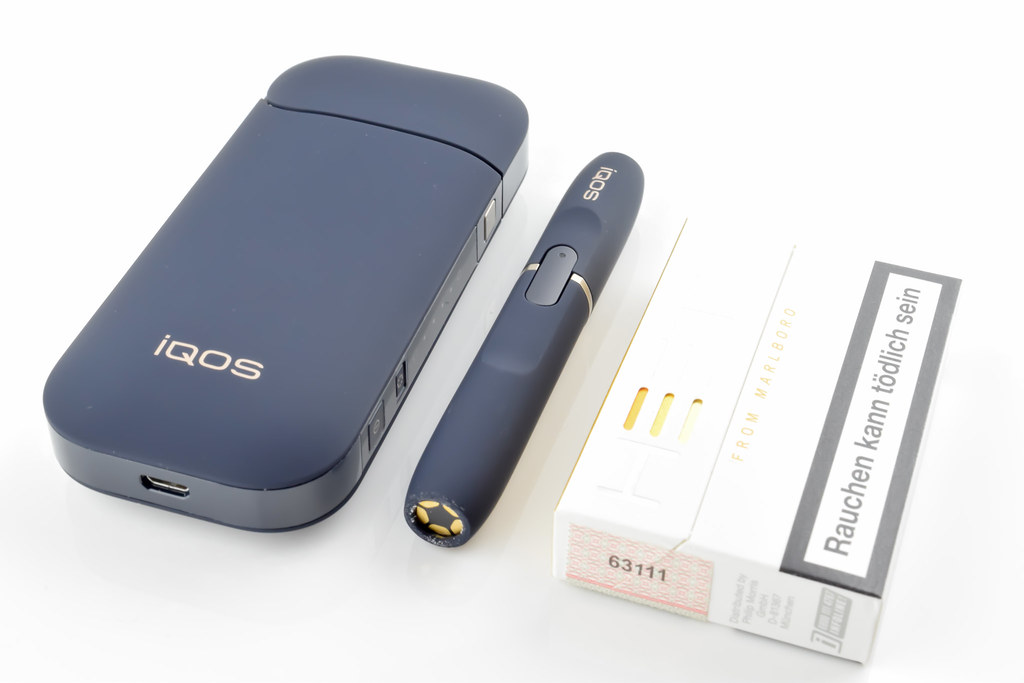
    The major players in this market are the tobacco giants. IQOS (produced by Philip Morris International), Ploom (Japan Tobacco International) and Glo (British American Tobacco) dominate the offer, using specially treated small tobacco cigarettes (called “sticks” or “refills”).

    Aerosol vs. Smoke: The Chemical Difference

    The main selling point of HTPs is based on the absence of combustion. Combustion is indeed responsible for producing the majority of the toxins contained in cigarette smoke, such as carbon monoxide, tar, and polycyclic aromatic hydrocarbons.

    It is true that the aerosol generated by heated tobacco exhibits significantly reduced levels of toxic substances compared to conventional cigarette smoke, with reductions ranging from 80% to over 95% for certain compounds. However, the aerosol is not devoid of harmful substances. It still contains nicotine, as well as volatile organic compounds and other potentially dangerous chemicals, albeit in smaller quantities. Even if there is no combustion, there is pyrolysis, and the aerosol can be still qualified as smoke. It is by no means clean air.

    Impact on Exposure and Health

    Heated tobacco users therefore inhale a lower quantity of toxins, and the US FDA (Food and Drugs Administration) authorized PMI, the manufacturer of IQOS, to advertise it as a reduced-exposure product (but not reduced-risk). However, users maintain a level of nicotine exposure comparable to that of a cigarette. The essential public health question is whether this reduction in exposure translates into a significant reduction in risk. Long-term data is sorely lacking to answer this crucial question. Independent health organizations, such as the World Health Organization (WHO), emphasize that HTPs are not harmless and that it is impossible, at this stage, to quantify the actual risk reduction compared to conventional cigarettes. Switching from cigarettes to heated tobacco means replacing a very high risk with an undetermined risk. Only complete cessation of tobacco eliminates the risk.

    Does Heated Tobacco Help Quitting Cigarettes ?

    Current data are insufficient to confirm or refute the claim that using heated tobacco increases the chances of quitting smoking. Some users may engage in dual use (smoking cigarettes and using HTPs), a pattern that may be a useful intermediate step toward quitting smoking, even if it does not offer any health benefits in itself.

    However, HTPs are one of the most frequently used aids by people who have successfuly quit smoking, and some initial rersearch suggests that they are effective as smoking cessation aids.

    The Japan Effect

    The impact of heated tobacco on the market in Japan has been spectacular. Following the introduction of IQOS in 2014, sales figures rose steadily, while cigarette sales in Japan fell by half. The market share of HTPs is now roughly equal to that of cigarettes. It is very likely that there is a causal link between these two events. In other regions, such as the United States or Europe, prevalence of use remains lower, but it is increasing.

    Overall Impact

    The overall public health impact is debated. Advocates of harm reduction argue that even a slight reduction in toxins for smokers who cannot quit is progress. Opponents fear that the existence of these products undermines prevention efforts by making tobacco use more socially acceptable, hinders complete cessation, and creates a new generation of nicotine users, even though HTPs are seldom used by never-smokers.


    References

    Auer R, Concha-Lozano N, Jacot-Sadowski I, Cornuz J, Berthet A. Heat-Not-Burn Tobacco Cigarettes: Smoke by Any Other Name. JAMA Intern Med. 2017;177(7):1050–1052. doi:10.1001/jamainternmed.2017.1419

    Cummings KM, Roberson A, Levy DT, et al. Transformation of the tobacco product market in Japan, 2011–2023. Tobacco Control Published Online First: 29 October 2024. doi: 10.1136/tc-2024-058734

    Caponnetto P, Campagna D, Maglia M, Benfatto F, Emma R, Caruso M, Caci G, Busà B, Pennisi A, Ceracchi M, Migliore M, Signorelli M. Comparing the Effectiveness, Tolerability, and Acceptability of Heated Tobacco Products and Refillable Electronic Cigarettes for Cigarette Substitution (CEASEFIRE): Randomized Controlled Trial. JMIR Public Health Surveill. 2023 Apr 4;9:e42628. doi: 10.2196/42628. PMID: 37014673; PMCID: PMC10131829.

    Jackson SE, Brown J, Buss V, Shahab L. Prevalence of Popular Smoking Cessation Aids in England and Associations With Quit Success. JAMA Netw Open. 2025;8(1):e2454962. doi:10.1001/jamanetworkopen.2024.54962


    Use the ‘Comments’ field below to share your experience with heated tobacco or to suggest improvements to this page.


  • IQOS

    IQOS

    Here is a summary about IQOS: what it is, how it works, the difference between combustion and pyrolysis, the composition of the aerosol compared to cigarette smoke, nicotine exposure: amount and speed of absorption into the blood and brain, can it help smokers quit, impact on cigarette sales in Japan, who should and should not use it, the fact that the US FDA has authorized it as a reduced exposure product but not as a reduced risk product, does it reduce health risks compared to cigarettes, impact on PMI’s sales and profits, the problem of the scarcity of manufacturer-independent research, and the controversy surrounding tobacco harm reduction. Use a journalistic style without bullet points or numbered lists, and avoid words, phrases, and transitional sentences typical of AI-generated content.

    IQOS, the flagship heated tobacco product from Philip Morris International (PMI), has become a fixture in the global debate over smoking and public health. Marketed as a revolutionary alternative to cigarettes, the device and its success, particularly in Japan, represent a high-stakes experiment in the contentious world of tobacco harm reduction.

    How Heating Differs from Burning

    At its core, IQOS is an electronic device designed to heat specially prepared tobacco sticks, called HEETS or HeatSticks, to a precise temperature, typically around 350 °C. This is the crucial distinction from a conventional cigarette, which combusts tobacco at temperatures often exceeding 800 °C.

    The difference lies in the process: Cigarettes rely on combustion (burning), which generates smoke filled with complex byproducts, including solid particles and toxic chemicals.5 IQOS employs a process closer to pyrolysis (thermal decomposition in the absence of oxygen). This heating process generates an aerosol—a vapor composed primarily of nicotine and water, rather than smoke.6

    What’s In the Cloud: Aerosol Composition

    Because it avoids combustion, the aerosol produced by IQOS contains significantly lower levels of many harmful and potentially harmful chemical constituents compared to cigarette smoke.7 Manufacturer-sponsored studies often claim reductions of 90-95% for certain key toxicants, excluding nicotine.8 However, independent research has noted that while levels of many harmful substances are indeed reduced, the aerosol still contains nicotine and measurable concentrations of some toxicants, and the full long-term health impact is not yet known.9 Some independent analyses have even noted that certain chemicals may be present in higher concentrations compared to traditional smoke.10

    Nicotine Delivery and Addiction

    The device is specifically engineered to ensure that the user receives an amount and rate of nicotine absorption comparable to smoking a conventional cigarette.11 While the nicotine content in the specific tobacco sticks might be lower than in a cigarette, the delivery mechanism is highly efficient.12 This rapid and substantial dose of nicotine is what makes the product satisfying to current smokers, but it also ensures the user remains exposed to and dependent on an addictive substance.13 The amount of nicotine absorbed is similar to a cigarette, establishing a theoretical one-to-one usage ratio.14

    The Japan Experiment: Impact on Cigarette Sales

    Japan has become the key real-world laboratory for heated tobacco products.15 Following the widespread introduction of IQOS in 2014-2015, independent studies noted a dramatic, accelerated decline in sales of traditional cigarettes.16 Where cigarette sales were already falling slowly, the decline accelerated significantly, suggesting that a large number of smokers in Japan made a complete switch to the heated product.17 The experience there is frequently cited as proof that heated tobacco products can displace cigarette are are an alternative to them. Smoking rates among the general japanese population may not change as a result, as IQOS users may continue to smoke a few cigarettes.

    The Regulatory Status: Reduced Exposure, Not Reduced Risk

    In the United States, the Food and Drug Administration (FDA) authorized IQOS for marketing with a reduced exposure claim in 2020. This allows the company to communicate that “Scientific studies have shown that switching completely from conventional cigarettes to the IQOS system significantly reduces your body’s exposure to harmful or potentially harmful chemicals.”18

    Crucially, the FDA explicitly stated that this authorization did not mean IQOS had been proven to reduce the risk of disease or harm.19 The agency found that the evidence did not yet support a reduced risk claim, meaning users cannot assume that switching guarantees an improvement in long-term health outcomes compared to continued smoking, though the exposure is lower.

    Who Should Use It?

    IQOS is not a smoking cessation product; it is a tobacco product. Health authorities and the manufacturer agree that the product is intended only for adult smokers who would otherwise continue to smoke.20 It should not be used by non-smokers, former smokers, or young people, as it delivers addictive nicotine and carries health risks.21 Whether it genuinely helps smokers quit completely, rather than merely switching products, remains a subject of ongoing debate and research.

    The Conflict of Research and Profit

    The majority of the data initially supporting IQOS’s reduced-exposure claims came from PMI-sponsored studies, leading to persistent concerns within the public health community about the scarcity of fully manufacturer-independent research. While the number of independent studies is growing, there remains a lack of long-term data on health outcomes.22

    The controversy is central to the broader tobacco harm reduction debate.23 Advocates argue that providing a significantly less harmful nicotine delivery system offers smokers who are unwilling or unable to quit an invaluable path away from deadly cigarettes.24 Critics fear that these products, while potentially less harmful than smoking, risk addicting a new generation of users, undermine decades of successful tobacco control efforts, and serve primarily to boost the profits of tobacco companies like PMI, whose market share and revenue have significantly benefited from the global uptake of IQOS.

    The verdict on whether heated tobacco products serve the overall public health interest will not be rendered by initial sales figures or regulatory labels, but by decades of independent research tracking population health outcomes.


    Use the Comments field below to share your experience with IQOS or to suggest improvements to this article.

  • What is in cigarette smoke?

    What is in cigarette smoke?

    When a cigarette burns, the combustion process acts like a mini chemical factory, creating toxic substances that are not present in unburned tobacco and releasing a cloud of smoke containing thousands of compounds, many of which are highly toxic, carcinogenic, or pharmacologically active. Smoke is the real disease vector, attacking virtually every system in the body with each inhalation. Understanding the types of substances present and how manufacturers design them is essential to grasping the health risks of smoking.

    The Three Classes of Toxic Agents

    Cigarette smoke is typically analyzed by dividing its components into two main phases: the particulate phase (tiny solid particles and liquid droplets) and the gas phase. Within these phases, the toxic substances fall into three broad categories:

    1. Carcinogens (Cancer-Causing Agents): These are perhaps the most feared components. Cigarette smoke contains at least 70 known human carcinogens. These chemicals damage DNA, the blueprint of the cell, leading to uncontrolled growth and tumor formation. Prominent examples include:
      • Polycyclic Aromatic Hydrocarbons (PAHs): Found in coal tar and automobile exhaust, PAHs are potent DNA damagers.
      • Nitrosamines (NNN and NNK): These are tobacco-specific carcinogens formed during the curing and burning of the tobacco leaf.
      • Aromatic Amines (e.g., 4-aminobiphenyl): Linked strongly to bladder cancer, these compounds are highly toxic even at low concentrations.
    2. Pharmacologically Active and Addictive Agents: The most dominant of these is nicotine, but other substances modulate its effect and overall toxicity.
      • Nicotine: The primary addictive agent. While not a major cause of cancer itself, nicotine acts on the brain to drive dependence. It elevates heart rate and blood pressure, placing significant stress on the cardiovascular system.
      • Monoamine Oxidase (MAO) Inhibitors: As discussed previously, these compounds found in smoke artificially boost mood-regulating chemicals like dopamine in the brain, enhancing the addictive power of nicotine and making withdrawal more difficult.
    3. Toxic and Respiratory Irritants: These compounds damage the airways and interfere with the body’s ability to use oxygen.
      • Carbon Monoxide (CO): A colorless, odorless, deadly gas. CO is inhaled and quickly binds to hemoglobin in the blood, displacing oxygen. This reduces the oxygen-carrying capacity of the blood, starving organs, including the heart and brain, of necessary oxygen. This oxygen deprivation, known as hypoxia, is a major contributor to cardiovascular disease in smokers.
      • Hydrogen Cyanide: A chemical warfare agent, this gas impairs the lungs’ natural cleaning system—the cilia—making it harder for the lungs to clear mucus and foreign particles, thereby increasing the risk of infection and chronic inflammation.
      • Acrolein and Ammonia: Both are highly irritating gases that damage the delicate lining of the airways and alveoli, directly contributing to the inflammation and destruction seen in Chronic Obstructive Pulmonary Disease (COPD).

    How Manufacturers Engineer Nicotine Dosage

    The tobacco industry employs highly precise engineering to ensure the maximum, addictive delivery of nicotine, often with the same chemical rigor used in pharmaceutical manufacturing. This control is achieved through three main levers:

    1. Ammonia Technology: By treating tobacco with ammonia or its compounds, manufacturers increase the alkalinity (pH) of the smoke. This process converts the bound nicotine in the tobacco into its “freebase” form. Freebase nicotine is vaporized more easily and absorbed into the bloodstream far more quickly and intensely, producing a rapid, powerful “hit” that maximizes the addictive potential of the product.
    2. Filter and Ventilation Control: As discussed previously, while filters outwardly suggest reduced harm, the tiny ventilation holes laser-perforated into the filter paper are designed to game machine testing. They dilute the smoke when measured, allowing “low-tar” claims. In real-world use, however, smokers instinctively cover these holes or inhale more deeply to get their required dose of nicotine, effectively bypassing the filter’s diluting function. This engineering ensures that the intended addictive dose is always met.

    Controlling the Smell (Odor) of Secondhand Smoke

    The perception of cigarette smoke—the harshness and the lingering odor—is a factor that can deter non-smokers and affect social tolerance of the product. Manufacturers have, over time, used additives not just to improve the taste for the user, but to modify the odor of the side-stream smoke (the smoke coming directly from the burning tip).

    Flavorings and aromatic compounds are included to create a more “pleasant” aroma, making the smoke less irritating to bystanders and potentially reducing the social stigma associated with smoking in certain environments. This chemical masking is a strategic move to maintain social acceptance and increase the perceived appeal of the product, despite the unchanged underlying toxicity of the thousands of chemicals in the aerosol.

    The cigarette, therefore, is not a simple natural product. It is a highly engineered, chemically saturated delivery system designed to addict the user and facilitate the transport of hundreds of poisons directly into the body, a process that is precisely controlled from the tobacco field to the filter tip.


  • Cigarettes

    Cigarettes

    All you need to know about what is in a cigarette, how it is made, and what is in the cigarette smoke


  • Composition of a cigarette

    Composition of a cigarette

    What’s Really Inside a Cigarette

    When someone lights a cigarette, they are consuming far more than just dried tobacco. They are engaging with a highly sophisticated, meticulously engineered chemical delivery system designed to maximize addiction and appeal. Understanding the components that make up a cigarette—from the tobacco blend itself to the paper, the additives, and the filter—reveals a product whose design prioritizes biological efficacy over consumer safety.

    The Tobacco Blend: Types and Treatment

    A typical cigarette relies on a mixture of different tobacco types, blended to achieve a specific flavor profile and, crucially, to optimize nicotine delivery.1 The primary tobaccos used are:

    • Flue-Cured (Virginia) Tobacco: Often high in natural sugars, this tobacco is cured in heated barns, resulting in a milder, slightly sweeter flavor.2
    • Burley Tobacco: Air-cured, this tobacco is low in sugar but highly porous. This porosity allows it to readily absorb the various additives and flavorings manufacturers introduce.
    • Oriental Tobacco: Sun-cured, this tobacco offers a highly aromatic and strong flavor, often used in smaller quantities for seasoning the blend.3

    Modern manufacturing often employs processes like “reconstituted tobacco” (made from scraps and stems) and “expanded tobacco” (puffed up using gases) to reduce costs and control the filling properties of the cigarette.4 The real chemical intervention, however, occurs through the use of ammonia compounds. These compounds increase the alkalinity (pH) of the smoke, which converts the nicotine within the tobacco into its “freebase” form. This freebase nicotine is vaporized more easily, allowing it to be absorbed rapidly by the lungs, delivering a potent and immediate hit to the brain—a key mechanism that enhances the addictive power of the product.

    Additives: The Secret Ingredients

    Manufacturers incorporate hundreds of different chemical additives, often claiming they enhance flavor or act as humectants to keep the tobacco moist.5 Yet, many additives serve a more sinister purpose: making the smoke easier to inhale and increasing the bioavailability of nicotine.

    Common additives include:

    • Sugars and Humectants (e.g., glycerol and propylene glycol): These are added to maintain moisture, but when they burn, they create toxic compounds, including acetaldehyde.6 Acetaldehyde is not only a probable carcinogen but may also enhance nicotine’s addictive properties in the brain.7
    • Bronchodilators: Certain additives, like cocoa, act as bronchodilators, slightly relaxing the airways.8 This allows the smoker to inhale the toxic smoke deeper into the lungs, increasing the amount of surface area available for nicotine absorption.
    • Flavorings (e.g., menthol): Menthol has a cooling, anesthetic effect that masks the harshness and irritation of the smoke, making it easier for new smokers to start and deeper inhalation more comfortable for long-term smokers.9 This makes menthol cigarettes highly addictive and difficult to quit.

    Nicotine Dosage Control: A Pharmacological Precision

    The tobacco industry’s control over nicotine dosage rivals the precision used by pharmaceutical manufacturers. They don’t simply rely on the natural nicotine content of the tobacco leaf; they manage the entire system to ensure the smoker receives a consistent, addictive dose. This control is achieved through the use of ammonia and the deliberate engineering of the cigarette’s physical structure.

    By managing the levels of freebase nicotine and controlling the burn rate, the manufacturers effectively dictate how much nicotine the smoker receives per puff. This level is finely tuned to maintain addiction without immediately overwhelming the user, ensuring long-term product use. They adjust the blend and engineering to create cigarettes with different labeled strengths, but even “light” or “low-tar” versions often deliver the same amount of actual nicotine, as smokers simply inhale deeper or more frequently to reach their desired nicotine level.

    The Role of Paper and Combustion Regulation

    The paper wrapped around the tobacco is far from a neutral wrapper; it is an active component in regulating combustion and toxin production.10 Cigarette paper is often treated with chemicals like potassium nitrate to control the burn rate. This allows the cigarette to burn evenly and remain lit, even when not actively puffed, preventing the frustration that might lead a user to extinguish it prematurely. This controlled burn affects the temperature of the smoke, which in turn influences the formation of toxins and the release of nicotine.

    Ventilation Holes: The Deception of “Light” Cigarettes

    In the 1970s and 80s, manufacturers introduced ventilation holes—tiny laser-perforated holes found in the filter paper near the tip. This modification was the core feature of cigarettes marketed as “light” or “low-tar.”

    When the cigarette is placed in a smoking machine for measurement, these holes allow outside air to mix with the smoke, effectively diluting the measured tar and nicotine yield, resulting in the lower numbers printed on the packaging. However, when a human smokes, they invariably block these ventilation holes with their fingers or lips, or they simply inhale deeper and faster to compensate for the dilution.11 The net result is that the smoker receives essentially the same, or even a higher, dose of tar and nicotine than they would from a regular cigarette, rendering the “light” designation meaningless in real-world use.

    The Filter: A False Sense of Security

    The cigarette filter, typically made of cellulose acetate—a form of plastic—is widely misunderstood by the public.12 While it does trap some particles of smoke, its primary function is psychological and physical, not protective.

    The filter cools the smoke and provides a firmer structure for the smoker to hold, preventing loose tobacco from entering the mouth. While it captures larger particulate matter, it does virtually nothing to filter out the most dangerous components: the toxic gases (like carbon monoxide) and the vast majority of the microscopic, deeply penetrating fine particles that carry carcinogens into the lungs. The filter provides a potent, yet false, sense of security to the smoker.

    The Environmental Aftermath: Cigarette Butts

    Once a cigarette is finished, the filter becomes a major environmental pollutant.13 Cigarette butts are the most frequently littered item in the world, with trillions discarded annually.14 Because they are made of plastic (cellulose acetate), they do not biodegrade rapidly; they simply break down into smaller and smaller pieces of plastic, known as microplastics.

    These littered butts leach toxic chemicals—including nicotine, heavy metals, and various combustion byproducts—into soil and water, harming marine life and contaminating the environment.15 A single cigarette butt can be toxic enough to kill small fish in a liter of water.16 The pollution caused by these discarded plastic filters represents the final, lingering chemical cost of tobacco use.


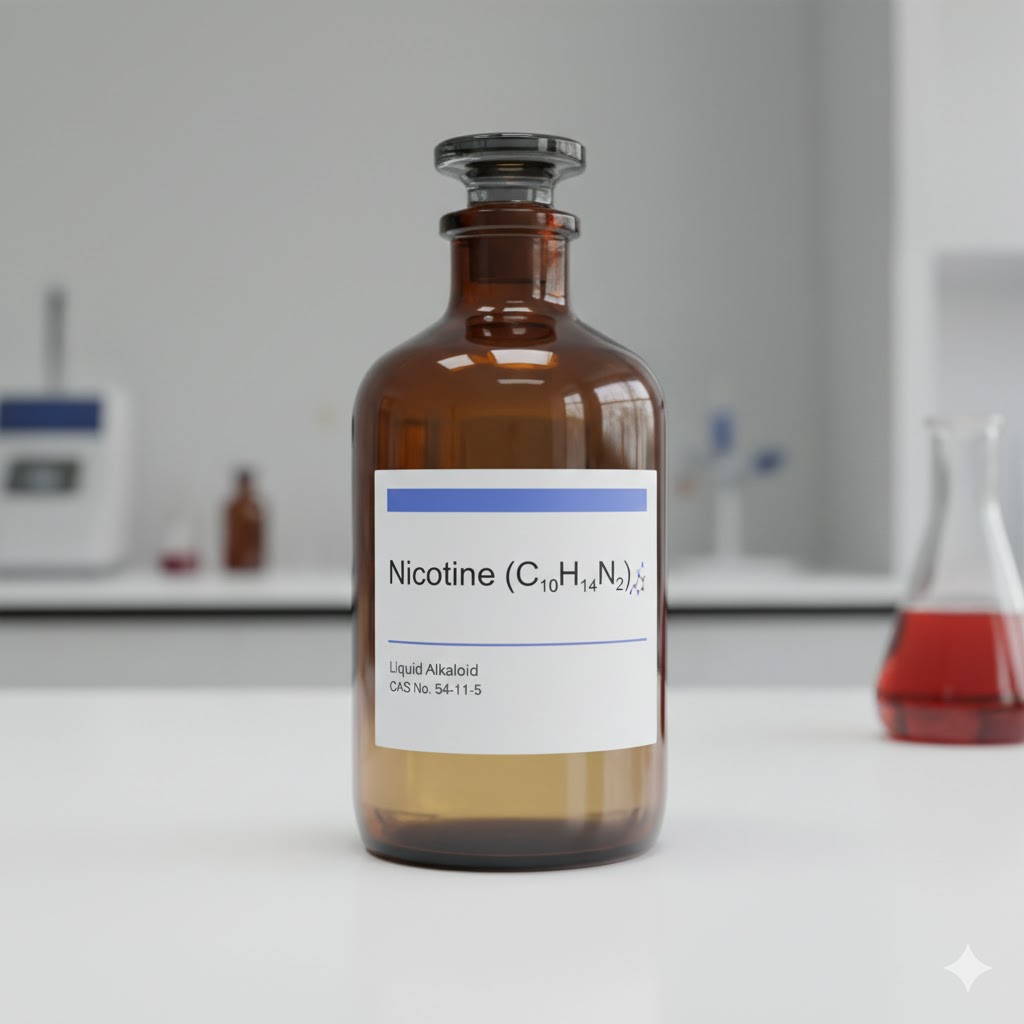
  • Nicotine

    Nicotine

    In this section, you will find several articles explaining everything you need to know about nicotine: a test to help you determine how much nicotine you need, the amount of nicotine in a cigarette, the optimal nicotine concentration for your e-liquids, and the effects of nicotine on health, nicotine salts.