
Tag: cigarette

  • Wrinkles, skin health

    Wrinkles, skin health

    One of the most visible and immediate effects of smoking is seen directly on the skin, the body’s largest organ, which suffers a relentless impact with every cigarette smoked. From fine lines that deepen around the mouth to wounds that take longer to heal, smoking leaves its mark on skin health, far beyond a mere cosmetic issue


    The Smoker’s Face: Wrinkles and Lines

    Dermatologists have long recognised a distinct constellation of facial features associated with long-term smoking, sometimes referred to informally as “smoker’s face.” This includes deep vertical lines radiating from the upper and lower lips (a direct consequence of the repeated pursing motion of drawing on a cigarette) along with crow’s feet, hollowed cheeks, and a general gauntness that makes a person appear older than their age.

    Studies have consistently shown that smokers develop wrinkles earlier and more severely than non-smokers even after controlling for sun exposure. The effect is dose-dependent: the more cigarettes smoked per day and the more years a person has smoked, the more pronounced the skin aging becomes.


    How Smoking Ages the Skin

    The skin owes its firmness, elasticity, and youthful appearance largely to two proteins: collagen and elastin. Collagen provides structural support and tensile strength, while elastin allows the skin to snap back after being stretched or compressed. Together, they form the scaffolding that keeps skin looking plump and resilient.

    Smoking disrupts both of these proteins through several interconnected pathways.

    Oxidative stress is one of the primary culprits. Cigarette smoke contains thousands of chemical compounds, many of which are powerful oxidants. These molecules trigger the generation of free radicals (unstable atoms that damage cells by stealing electrons from surrounding molecules). The skin’s antioxidant defences, including vitamins C and E, are rapidly depleted in smokers, leaving cells exposed to oxidative damage. This accelerates the breakdown of collagen fibres and impairs the body’s ability to synthesise new ones.

    Smoking also activates matrix metalloproteinases (MMPs), a family of enzymes responsible for breaking down extracellular matrix proteins, including collagen. Under normal circumstances, MMPs are tightly regulated and play a useful role in tissue remodelling. In smokers, however, they are chronically upregulated, meaning collagen is degraded faster than it can be replaced. The result is a progressive thinning and weakening of the dermal layer.

    At the same time, nicotine causes vasoconstriction — the narrowing of blood vessels. The small capillaries that supply the skin with oxygen and nutrients are particularly vulnerable to this effect. Reduced blood flow means the skin receives less of what it needs to repair itself and maintain normal cellular turnover. Over time, this chronic ischaemia contributes to a dull, greyish complexion that many smokers develop, as well as impaired regeneration of skin cells.

    Finally, smoking interferes with oestrogen metabolism, in women. Oestrogen plays an important role in maintaining skin thickness, moisture, and collagen content. Smokers tend to have lower circulating oestrogen levels, which partly explains why female smokers often experience more pronounced skin aging than their male counterparts.


    Smoking and Sun Exposure

    Ultraviolet (UV) radiation from the sun is the single greatest environmental cause of premature skin aging — a process known as photoaging. It damages DNA in skin cells, degrades collagen and elastin, and promotes the formation of pigmentation irregularities. Smoking and sun exposure do not simply add their effects together; evidence suggests they interact in ways that amplify skin damage beyond what either factor would cause alone.

    Both smoking and UV radiation independently activate MMP enzymes and generate oxidative stress. When they occur together, the combined burden on the skin’s repair mechanisms is substantially greater. A person who smokes and spends significant time in the sun without protection is, in effect, attacking their skin from two directions simultaneously — depleting antioxidants, degrading structural proteins, and impairing cellular repair at an accelerated rate.

    This synergy also has implications for skin cancer risk. While smoking alone is not as strongly associated with melanoma as sun exposure, it does appear to increase the risk of certain skin cancers, particularly squamous cell carcinoma. The immunosuppressive effects of smoking — discussed further below — may reduce the skin’s capacity to detect and destroy abnormal cells before they proliferate.


    Wound Healing

    One of the most clinically significant consequences of smoking on skin health is its profound impairment of wound healing. Surgeons have long known that smokers are at substantially higher risk of post-operative complications, including wound dehiscence (the reopening of a surgical incision), infection, and poor scar formation. This is not a minor statistical footnote — in some surgical contexts, smoking status is considered a meaningful risk factor that influences whether certain elective procedures should proceed at all.

    The mechanisms behind this impairment are multiple and overlapping. Nicotine-induced vasoconstriction reduces the delivery of oxygen and nutrients to the wound site, both of which are essential for the proliferation of fibroblasts — the cells responsible for laying down new collagen during healing. Carbon monoxide, absorbed from cigarette smoke into the bloodstream, binds to haemoglobin and reduces its oxygen-carrying capacity, compounding this hypoxic effect.

    The consequences of this impaired healing extend beyond surgical wounds. Everyday cuts, abrasions, and skin injuries take longer to resolve in smokers. Chronic wounds, such as venous leg ulcers, are more common and more difficult to treat. Even acne lesions and inflammatory skin conditions may persist longer due to the skin’s reduced capacity for self-repair.


    Smoking and Infection

    The skin serves as the body’s first line of defence against pathogens. Its integrity, its pH, and the immune surveillance carried out by resident immune cells all contribute to keeping bacteria, fungi, and viruses at bay. Smoking undermines this defence at several levels.

    The immunosuppressive effects of smoking extend to the skin’s own immune architecture. Langerhans cells, which are specialised immune cells embedded in the epidermis and responsible for detecting foreign antigens, are reduced in number and function in smokers. This means that early-stage infections are less likely to be recognised and neutralised before they take hold.

    Smokers have a higher incidence of certain skin infections, including candidiasis (fungal infection), and are more susceptible to bacterial skin infections following injury. The combination of impaired circulation, reduced immune surveillance, and slower wound healing creates conditions in which pathogens can establish themselves more easily and persist longer.


    The Reversibility Question

    The encouraging reality is that the skin does have a meaningful capacity to recover after smoking cessation. Blood flow to the skin begins to improve within weeks of quitting, and the gradual restoration of collagen synthesis means that skin quality can improve over time. The most dramatic improvements tend to occur in younger ex-smokers whose skin has had less cumulative exposure, but even long-term smokers report noticeable changes in skin tone and texture in the months and years following cessation.

    The damage that has already occurred — particularly deep structural changes to collagen and elastin — cannot be fully reversed. But stopping smoking halts the ongoing degradation and gives the skin the best possible chance to repair and renew itself. Combined with good sun protection, adequate hydration, and a diet rich in antioxidants, the skin’s recovery after quitting can be genuinely significant.

    Every cigarette not smoked is, in a very literal sense, a contribution to healthier skin — and to a face that reflects the age you actually are, rather than the toll of years of tobacco use.
  • Carbon monoxide

    Carbon monoxide

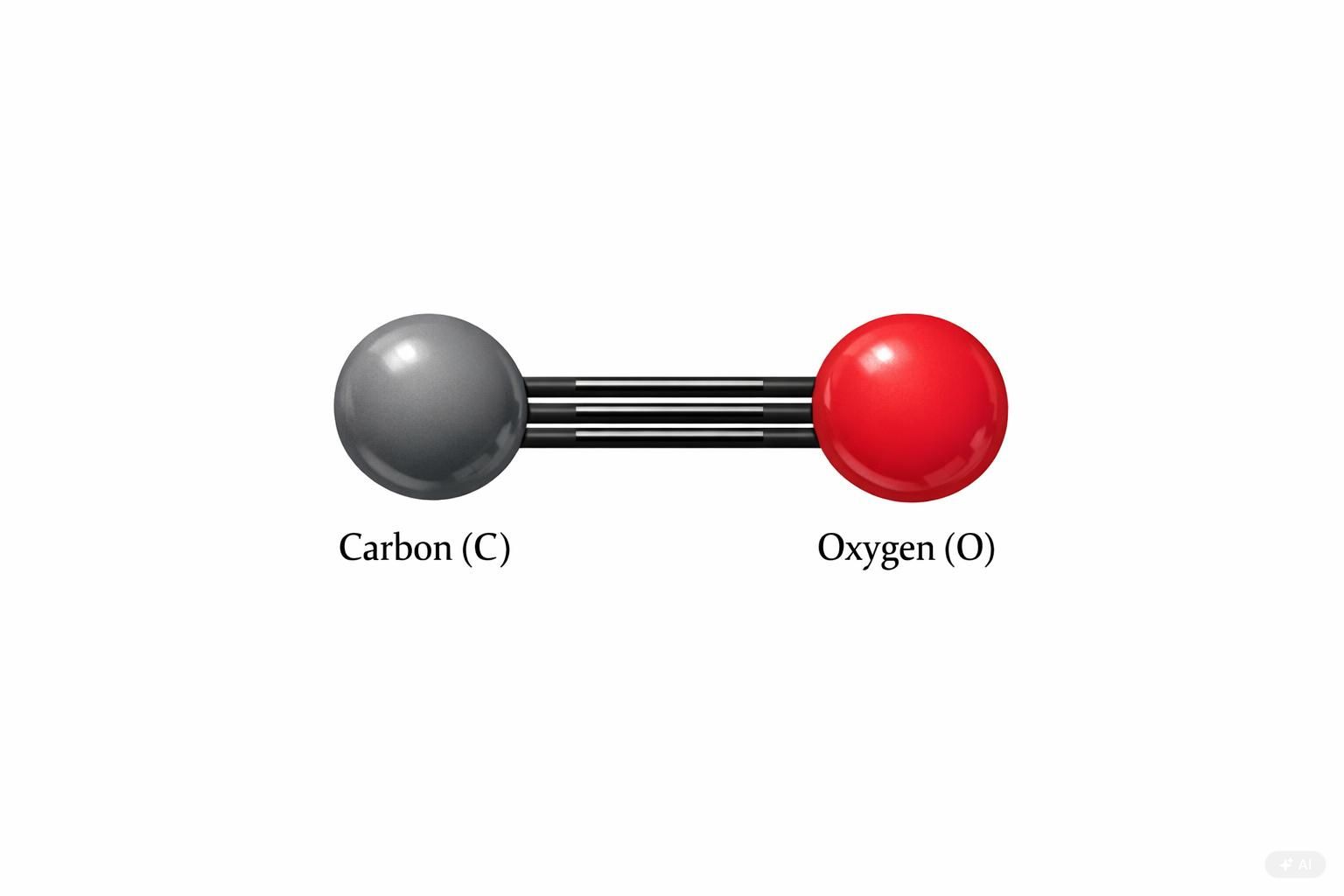
    Carbon monoxide (CO) is one of the most harmful gases inhaled when smoking. It is invisible, odorless, and tasteless, yet it has immediate and significant effects on the body.

    Carbon monoxide is produced whenever carbon-containing materials, such as tobacco, burn incompletely. When a cigarette is lit, it generates CO that is inhaled into the lungs and rapidly passes into the bloodstream. There, it binds strongly to hemoglobin, the molecule responsible for carrying oxygen. This binding forms carboxyhemoglobin, which reduces the blood’s capacity to transport oxygen to tissues and organs.

    Each cigarette causes a measurable rise in carbon monoxide levels. After smoking a single cigarette, carboxyhemoglobin levels in the blood typically increase to around 3 to 6 percent. In people who smoke regularly, especially those consuming a pack per day, these levels often remain between 5 and 10 percent, and can be even higher in heavy smokers. By contrast, non-smokers usually have levels between 0.5 and 1 percent, meaning that smokers may carry five to ten times more carbon monoxide in their blood.

    This difference is also reflected in exhaled air. In non-smokers, exhaled carbon monoxide levels are usually very low, typically around 1 to 5 parts per million (ppm). In smokers, however, exhaled CO commonly ranges from about 10 to 30 ppm, and can exceed this range depending on how recently and how heavily the person has smoked. These measurements are often used in smoking cessation programs to provide visible feedback on exposure.

    Consequences:

    The presence of carbon monoxide in the blood reduces oxygen delivery throughout the body, which has widespread consequences. In the short term, this leads to reduced physical performance, increased breathlessness, headaches, and a higher heart rate as the body attempts to compensate for the lack of oxygen. Over time, the strain on the cardiovascular system contributes to the development of heart disease and stroke. Carbon monoxide also damages blood vessels and accelerates the process of atherosclerosis. In individuals with existing conditions such as angina or chronic obstructive pulmonary disease, the effects can be particularly severe. In pregnant women, carbon monoxide exposure reduces oxygen supply to the fetus, increasing the risk of low birth weight and developmental complications.

    How quickly does carbon monoxide disappear after quitting?

    One of the most encouraging aspects of carbon monoxide exposure is how quickly the body begins to recover after smoking stops. Within about eight hours of the last cigarette, carbon monoxide levels in the blood drop by roughly half. Within 12 to 24 hours, levels return close to those seen in non-smokers. After about 48 hours, carbon monoxide is essentially eliminated from the bloodstream. As this happens, oxygen delivery improves rapidly, and many people begin to notice that breathing becomes easier and energy levels increase within a very short time.


  • Cigarettes

    Cigarettes

    All you need to know about what is in a cigarette, how it is made, and what is in the cigarette smoke


  • Composition of a cigarette

    Composition of a cigarette

    What’s Really Inside a Cigarette

    When someone lights a cigarette, they are consuming far more than just dried tobacco. They are engaging with a highly sophisticated, meticulously engineered chemical delivery system designed to maximize addiction and appeal. Understanding the components that make up a cigarette—from the tobacco blend itself to the paper, the additives, and the filter—reveals a product whose design prioritizes biological efficacy over consumer safety.

    The Tobacco Blend: Types and Treatment

    A typical cigarette relies on a mixture of different tobacco types, blended to achieve a specific flavor profile and, crucially, to optimize nicotine delivery.1 The primary tobaccos used are:

    • Flue-Cured (Virginia) Tobacco: Often high in natural sugars, this tobacco is cured in heated barns, resulting in a milder, slightly sweeter flavor.2
    • Burley Tobacco: Air-cured, this tobacco is low in sugar but highly porous. This porosity allows it to readily absorb the various additives and flavorings manufacturers introduce.
    • Oriental Tobacco: Sun-cured, this tobacco offers a highly aromatic and strong flavor, often used in smaller quantities for seasoning the blend.3

    Modern manufacturing often employs processes like “reconstituted tobacco” (made from scraps and stems) and “expanded tobacco” (puffed up using gases) to reduce costs and control the filling properties of the cigarette.4 The real chemical intervention, however, occurs through the use of ammonia compounds. These compounds increase the alkalinity (pH) of the smoke, which converts the nicotine within the tobacco into its “freebase” form. This freebase nicotine is vaporized more easily, allowing it to be absorbed rapidly by the lungs, delivering a potent and immediate hit to the brain—a key mechanism that enhances the addictive power of the product.

    Additives: The Secret Ingredients

    Manufacturers incorporate hundreds of different chemical additives, often claiming they enhance flavor or act as humectants to keep the tobacco moist.5 Yet, many additives serve a more sinister purpose: making the smoke easier to inhale and increasing the bioavailability of nicotine.

    Common additives include:

    • Sugars and Humectants (e.g., glycerol and propylene glycol): These are added to maintain moisture, but when they burn, they create toxic compounds, including acetaldehyde.6 Acetaldehyde is not only a probable carcinogen but may also enhance nicotine’s addictive properties in the brain.7
    • Bronchodilators: Certain additives, like cocoa, act as bronchodilators, slightly relaxing the airways.8 This allows the smoker to inhale the toxic smoke deeper into the lungs, increasing the amount of surface area available for nicotine absorption.
    • Flavorings (e.g., menthol): Menthol has a cooling, anesthetic effect that masks the harshness and irritation of the smoke, making it easier for new smokers to start and deeper inhalation more comfortable for long-term smokers.9 This makes menthol cigarettes highly addictive and difficult to quit.

    Nicotine Dosage Control: A Pharmacological Precision

    The tobacco industry’s control over nicotine dosage rivals the precision used by pharmaceutical manufacturers. They don’t simply rely on the natural nicotine content of the tobacco leaf; they manage the entire system to ensure the smoker receives a consistent, addictive dose. This control is achieved through the use of ammonia and the deliberate engineering of the cigarette’s physical structure.

    By managing the levels of freebase nicotine and controlling the burn rate, the manufacturers effectively dictate how much nicotine the smoker receives per puff. This level is finely tuned to maintain addiction without immediately overwhelming the user, ensuring long-term product use. They adjust the blend and engineering to create cigarettes with different labeled strengths, but even “light” or “low-tar” versions often deliver the same amount of actual nicotine, as smokers simply inhale deeper or more frequently to reach their desired nicotine level.

    The Role of Paper and Combustion Regulation

    The paper wrapped around the tobacco is far from a neutral wrapper; it is an active component in regulating combustion and toxin production.10 Cigarette paper is often treated with chemicals like potassium nitrate to control the burn rate. This allows the cigarette to burn evenly and remain lit, even when not actively puffed, preventing the frustration that might lead a user to extinguish it prematurely. This controlled burn affects the temperature of the smoke, which in turn influences the formation of toxins and the release of nicotine.

    Ventilation Holes: The Deception of “Light” Cigarettes

    In the 1970s and 80s, manufacturers introduced ventilation holes—tiny laser-perforated holes found in the filter paper near the tip. This modification was the core feature of cigarettes marketed as “light” or “low-tar.”

    When the cigarette is placed in a smoking machine for measurement, these holes allow outside air to mix with the smoke, effectively diluting the measured tar and nicotine yield, resulting in the lower numbers printed on the packaging. However, when a human smokes, they invariably block these ventilation holes with their fingers or lips, or they simply inhale deeper and faster to compensate for the dilution.11 The net result is that the smoker receives essentially the same, or even a higher, dose of tar and nicotine than they would from a regular cigarette, rendering the “light” designation meaningless in real-world use.

    The Filter: A False Sense of Security

    The cigarette filter, typically made of cellulose acetate—a form of plastic—is widely misunderstood by the public.12 While it does trap some particles of smoke, its primary function is psychological and physical, not protective.

    The filter cools the smoke and provides a firmer structure for the smoker to hold, preventing loose tobacco from entering the mouth. While it captures larger particulate matter, it does virtually nothing to filter out the most dangerous components: the toxic gases (like carbon monoxide) and the vast majority of the microscopic, deeply penetrating fine particles that carry carcinogens into the lungs. The filter provides a potent, yet false, sense of security to the smoker.

    The Environmental Aftermath: Cigarette Butts

    Once a cigarette is finished, the filter becomes a major environmental pollutant.13 Cigarette butts are the most frequently littered item in the world, with trillions discarded annually.14 Because they are made of plastic (cellulose acetate), they do not biodegrade rapidly; they simply break down into smaller and smaller pieces of plastic, known as microplastics.

    These littered butts leach toxic chemicals—including nicotine, heavy metals, and various combustion byproducts—into soil and water, harming marine life and contaminating the environment.15 A single cigarette butt can be toxic enough to kill small fish in a liter of water.16 The pollution caused by these discarded plastic filters represents the final, lingering chemical cost of tobacco use.


  • Nicotine

    Nicotine

    In this section, you will find several articles explaining everything you need to know about nicotine: a test to help you determine how much nicotine you need, the amount of nicotine in a cigarette, the optimal nicotine concentration for your e-liquids, and the effects of nicotine on health, nicotine salts.

  • Lung cancer

    Lung cancer


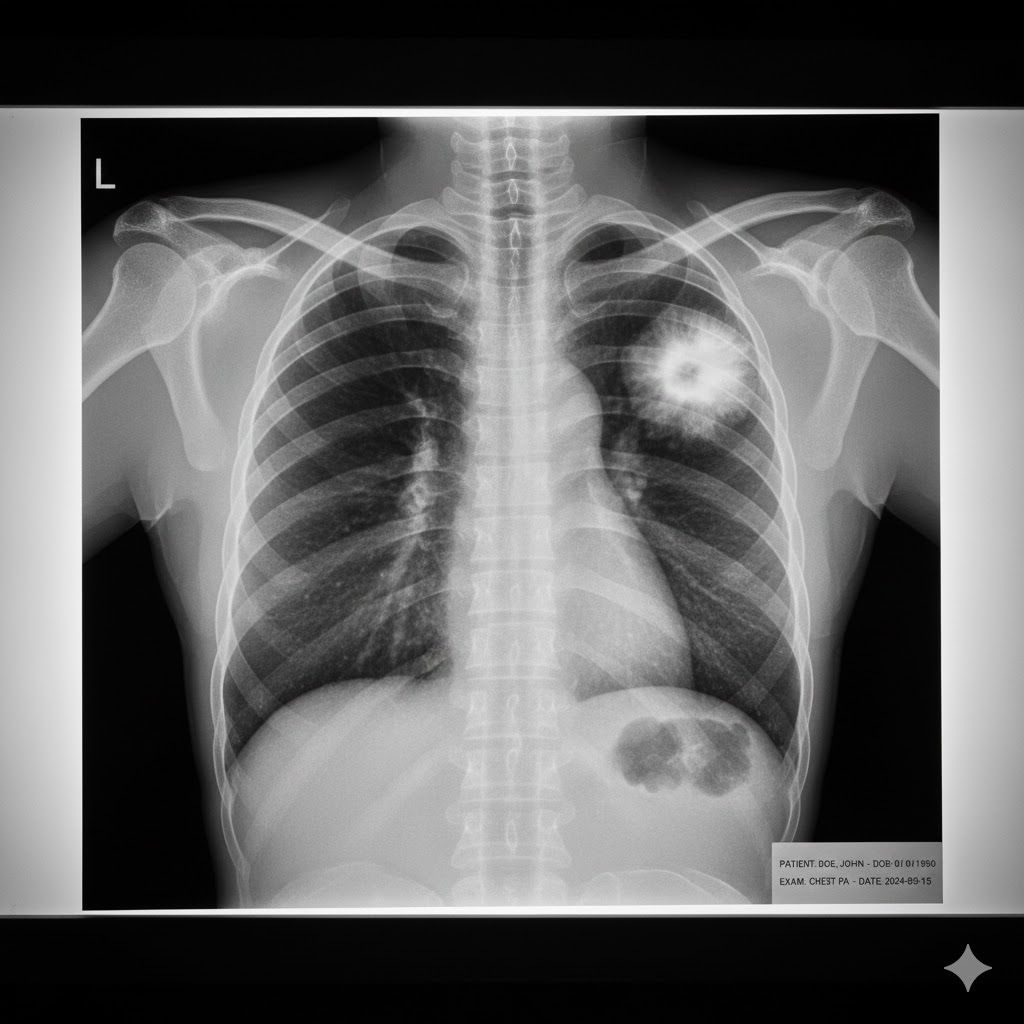
    Lung cancer is the leading cause of cancer death in men and women worldwide. The most significant and controllable factor behind this devastating disease is smoking. Understanding the risks, symptoms, and consequences of lung cancer is an important and necessary step in deciding to quit smoking.

    What Causes Lung Cancer?

    The primary cause of lung cancer is exposure to cancer-causing substances (carcinogens), which inflict damage upon the cells lining the lungs.

    Smoking (Cigarettes, Cigars, Pipes) is, by far, the leading risk factor, responsible for about 80% of lung cancer deaths. The risk escalates directly with the total number of years and packs smoked. Carcinogens in tobacco smoke cause immediate and chronic changes to lung tissue; while the body attempts to repair this damage, repeated exposure ultimately causes healthy cells to begin growing out of control.

    Furthermore, breathing in secondhand smoke significantly increases the risk of developing lung cancer, even for individuals who have never smoked. Radon Gas, a naturally occurring radioactive gas released from the breakdown of uranium in soil and rock, is the second-leading cause of lung cancer and the leading cause among non-smokers. It can dangerously accumulate in homes, particularly in basements. Workplace Exposures to substances like asbestos, arsenic, chromium, and nickel compounds can also heighten risk, especially for those who also smoke. Previous radiation therapy or a family history of lung cancer are also acknowledged risk factors.

    Prevalence, Trends, and the Power of Quitting

    While lung cancer remains a major killer, the overall number of new cases and deaths is thankfully decreasing. This positive trend is largely attributed to fewer people smoking or starting to smoke.

    Lung cancer kills more people each year than breast, colon, and prostate cancers combined. The general lifetime risk of developing lung cancer is approximately 1 in 17 for men and 1 in 18 for women; however, for those who smoke, this risk is substantially higher.

    The most compelling statistic is the Quitting Effect: stopping smoking, even after many years, significantly lowers your risk. The risk of developing lung cancer drops by half within 10 to 15 years after quitting. For those diagnosed with Non-Small Cell Lung Cancer (NSCLC), former smokers have a lower chance of dying compared to current smokers, and the longer the duration of cessation prior to diagnosis, the better the survival outcome.

    Recognizing the Symptoms

    It is important to understand that many lung cancers do not cause symptoms until they have progressed to a later stage. Seeing a doctor if you experience any of the following persistent signs is crucial for the possibility of earlier detection:

    • A new cough that does not go away or gets progressively worse over time.
    • Coughing up blood (even a small amount) or rust-colored sputum (phlegm).
    • Chest pain that is often more intense with deep breathing, coughing, or laughing.
    • Persistent shortness of breath or wheezing.
    • Hoarseness.
    • Unexplained weight loss or loss of appetite.
    • A feeling of being very tired or weak.
    • Recurring infections like bronchitis or pneumonia.

    Types of Lung Cancer

    Lung cancer is mainly categorized into two groups, which require different treatment approaches:

    Type of Lung CancerPrevalenceKey Characteristics
    Non-Small Cell Lung Cancer (NSCLC)About 87% of all lung cancers.Grows and spreads more slowly than SCLC. Includes Adenocarcinoma (most common, often found in non-smokers as well), Squamous Cell Carcinoma, and Large Cell Carcinoma.
    Small Cell Lung Cancer (SCLC)About 13% of all lung cancers.Highly linked to heavy smoking; it is rare in never-smokers. It tends to grow and spread very quickly.

    Diagnostic Methods

    If lung cancer is suspected, a combination of tests will be utilized for both diagnosis and staging (determining the extent of the cancer).

    Imaging Tests such as a Chest X-ray or CT (Computed Tomography) Scan are used to identify suspicious areas. Low-Dose CT (LDCT) is the only recommended screening tool for high-risk individuals (those with a long smoking history, current smokers, or those who quit within the last 15 years, usually aged 50–80). A PET (Positron Emission Tomography) Scan is typically used to check for the spread of cancer to other parts of the body (staging).

    A Biopsy is the definitive and only way to confirm a cancer diagnosis. A small sample of tissue is removed using a procedure like a bronchoscopy or a CT-guided needle biopsy. This sample is then meticulously examined under a microscope. Furthermore, Molecular Testing of the biopsy tissue is essential for advanced cases, as it checks for specific gene changes (mutations) that can inform targeted treatment options, particularly for NSCLC.

    Treatment and Prognosis

    Treatment selection depends critically on the type of cancer, the stage at diagnosis, and the patient’s overall health.

    Treatment ModalityDescription
    SurgeryOften used for early-stage NSCLC to remove the tumor (e.g., lobectomy, pneumonectomy). It is rarely a primary treatment for SCLC.
    Radiation TherapyUses high-energy rays to kill cancer cells. It can be used alone, before or after surgery, or in conjunction with chemotherapy.
    ChemotherapyAnti-cancer drugs used to destroy cancer cells throughout the body. This is a primary treatment for SCLC.
    Targeted TherapyDrugs that specifically attack certain gene mutations in cancer cells, often used for advanced NSCLC.
    ImmunotherapyDrugs that stimulate the body’s own immune system to recognize and destroy cancer cells.
    Palliative CareFocuses on managing symptoms and improving the patient’s quality of life, especially in later stages of the disease.

    Survival and the Benefit of Early Detection

    The prognosis for lung cancer is heavily influenced by the stage at which it is found. Early detection drastically improves survival odds. The statistics below are the 5-year relative survival rates (the percentage of people who live for at least 5 years after diagnosis compared to the general population).

    Overall Survival Rates (All Stages, US data)1-Year Survival5-Year Survival
    All Lung Cancer CombinedApprox. 45% (UK data)Approx. 29.7% (US data)
    Survival by Stage at Diagnosis (US SEER Data)5-Year Survival Rate (NSCLC)5-Year Survival Rate (SCLC)
    Localized (confined to the lung)67%34%
    Regional (spread to nearby lymph nodes)40%20%
    Distant (spread to distant organs)12%4%

    The takeaway is clear: catching the cancer when it is Localized—which often occurs through screening for high-risk individuals—results in a significantly better outcome. Quitting smoking today is the single most important action you can take to lower your risk, improve your body’s ability to heal, and increase your chances of a better prognosis if a diagnosis does occur.


    Rate this article by clicking on the desired number of stars:
    1 Star2 Stars3 Stars4 Stars5 Stars (No Ratings Yet)
    Loading...

    Please use the “Comments” field below to share your experience or suggest improvements to this article.


  • The amount of nicotine in cigarettes

    The amount of nicotine in cigarettes

    Many people know that nicotine makes cigarettes addictive, but few know how much nicotine is actually in a cigarette, or how much nicotine your body absorbs when you smoke. Understanding these numbers can help you choose an alternative product that does not involve burning tobacco or inhaling smoke.

    How much nicotine is in a cigarette?

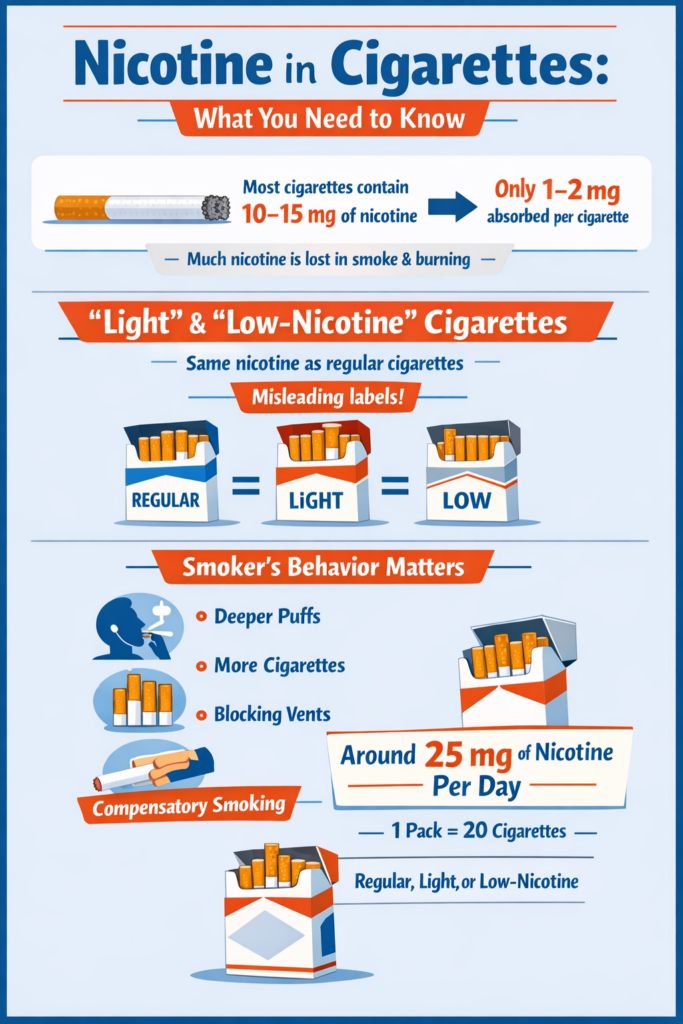
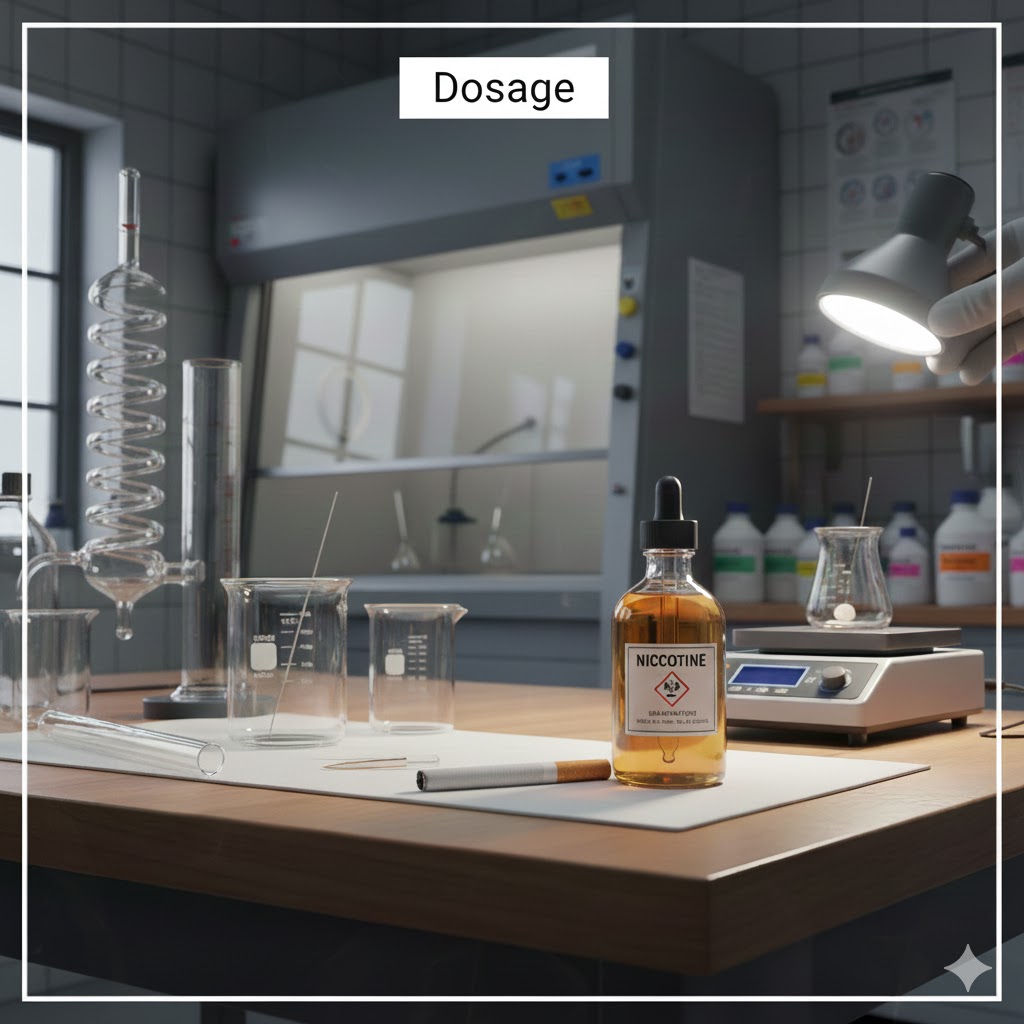
    The total amount of nicotine in a cigarette varies, but most commercial cigarettes contain between 10 and 15 milligrams (mg) of nicotine. This is the amount present in the tobacco before the cigarette is lit, but this figure does not reflect the whole picture. Most of the nicotine in a cigarette is destroyed by combustion or remains in the sidestream smoke that you do not inhale. What really matters is the amount of nicotine that enters your bloodstream.

    ‘Light’ or ‘low-nicotine’ cigarettes:

    Don’t be fooled by these labels! Studies have shown that cigarettes marketed as ‘light’ or ‘low-nicotine’ contain about the same amount of nicotine as regular cigarettes. The real difference lies in their design (air holes around the filter), which can affect how you smoke.

    How much nicotine do you actually inhale?

    You do not inhale all of the 10 to 15 mg of nicotine contained in a cigarette. When you light a cigarette and take a puff, a significant amount of nicotine is destroyed by heat or escapes as sidestream smoke. The amount of nicotine that enters your lungs and is absorbed in your blood (bioavailability) depends on many factors, including how the cigarette is manufactured and, most importantly, how you smoke it. A person who smokes one cigarette absorbs approximately 1 to 2 mg of nicotine. Although this amount may seem small compared to the total 15 mg, it is enough to deliver a powerful dose to your brain and satisfy your addiction.

    The smoker’s behavior matters

    The way a person smokes is the most important variable in the actual dose received. Each person behaves differently, and two people smoking the same cigarette may absorb different amounts of nicotine. Your brain acts like a thermostat that determines how much nicotine you need to feel good and avoid nicotine withdrawal symptoms. As a result, people who smoke “low nicotine” or “light” cigarettes do so differently than normal cigarettes. This is called compensatory smoking:

    Deeper puffs: If you use a low-nicotine cigarette, your body compensates by taking deeper, longer puffs to get the amount of nicotine your brain needs.

    Smoking more often: You may also simply smoke more cigarettes throughout the day.

    Blocking the vents: Some ‘light’ cigarettes have ventilation holes near the filter. Smokers often cover these with their fingers or lips, either unconsciously or intentionally, which increases the concentration of smoke inhaled and, consequently, the dose of nicotine.

    This means that a heavy smoker can easily absorb 25 mg of nicotine per day by smoking a pack of 20 cigarettes, whether these are regular, low-nicotine or light cigarettes.

    Why it is important to understand nicotine levels and the speed of delivery:

    Nicotine is the main addictive chemical in tobacco, it is what drives you to smoke one cigarette after another. When you inhale smoke, nicotine quickly enters your bloodstream and reaches your brain. This rush causes the release of a chemical that makes you feel good (dopamine), which is why smoking can be enjoyable or soothing. But this feeling is temporary, as the nicotine level in your blood drops quickly, leading to withdrawal symptoms.

    When you smoke, nicotine reaches your brain within 10 to 20 seconds of inhalation. This rapid effect is one of the reasons why cigarettes are so addictive. Your brain learns to anticipate this rapid rush, and cravings develop when nicotine levels drop. Nicotine replacement therapies (patches, gum, tablets) release nicotine at a much slower rate and therefore do not create addiction, even though the molecule is the same.

    Understanding how nicotine works helps to understand why nicotine replacement therapies (such as patches, gum or lozenges) are designed in this way: to provide controlled, lower doses of nicotine at a slower rate of delivery and without the toxic chemicals found in cigarette smoke.

    Knowing all this can make it easier to quit smoking.

    Knowing these figures can help you understand how cigarettes are designed to make you addicted. The tobacco industry adjusts the chemical composition so that nicotine reaches your brain quickly and reliably, not only by controlling the amount of nicotine in cigarettes with the same precision used by drug manufacturers to produce prescription drugs, but also by using chemical additives.

    To quit smoking without experiencing nicotine withdrawal symptoms, you need to replace the “dirty” nicotine you currently get from smoking with “clean” nicotine from nicotine replacement therapy (NRT): products such as patches, gum and lozenges deliver a controlled and steady dose of nicotine without the thousands of other toxic chemicals found in cigarette smoke. Nicotine-based medicines release nicotine at a much slower rate than cigarettes, which is why these products are not addictive. They help you manage withdrawal symptoms when you quit smoking.

    Behavioural support from a healthcare professional increases the effectiveness of nicotine replacement therapy. Peer support groups and quit-smoking helplines can also help you manage the psychological and behavioral aspects of quitting smoking.

    If you do not want to use NRT, you can also get nicotine from e-cigarettes or nicotine pouches, these products deliver sufficient amounts of nicotine but no smoke, and are therefore much less dangerous than cigarettes.


    Rate this article by clicking on the desired number of stars:
    1 Star2 Stars3 Stars4 Stars5 Stars (1 votes, average: 5.00 out of 5)
    Loading...

    Please use the “Comments” field below to share your experience or suggest improvements to this article.


  • Nicotine and tobacco products

    Nicotine and tobacco products

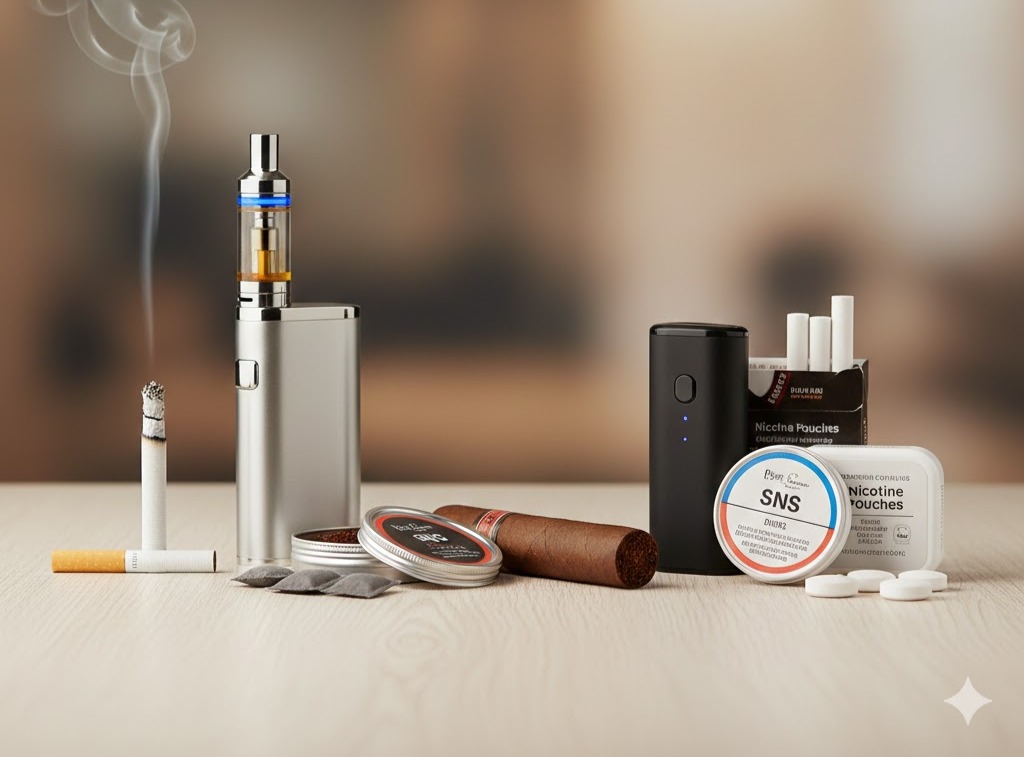
    In this section, you will find reliable information on tobacco and nicotine products, including cigarettes, electronic cigarettes, heated tobacco, nicotine pouches, cigars and snus.