

For many attempting to quit smoking, the sudden inability to focus on a work report, follow a conversation, or even read a paragraph without the mind wandering feels like a permanent cognitive decline. Difficulty concentrating is a hallmark of nicotine withdrawal, yet it is frequently misunderstood as a personal failing rather than a predictable physiological response. Understanding the mechanics behind this mental haze is the first step in navigating through it without reaching for a pack.
The Chemistry of Distraction
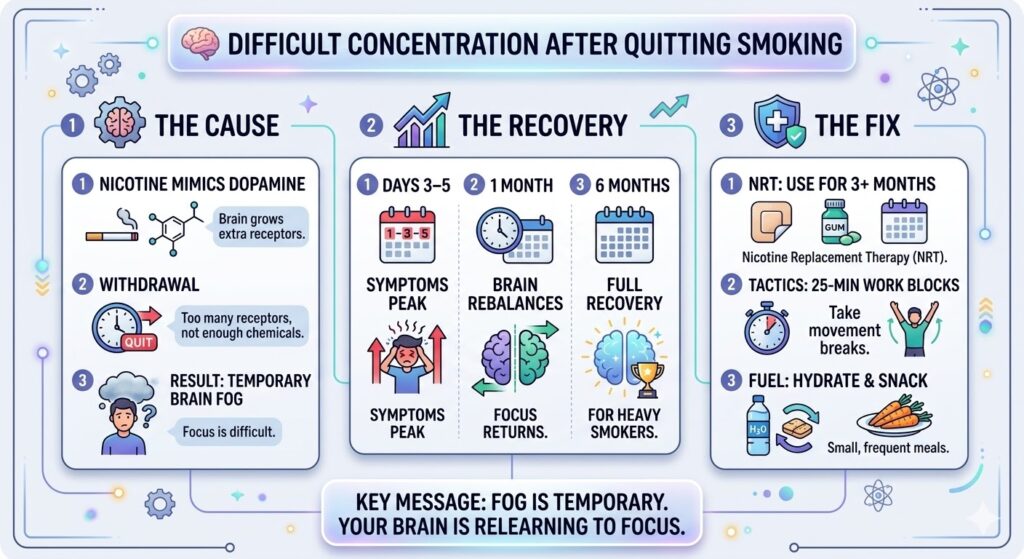
Nicotine is a potent psychoactive substance that, over time, rewires the brain’s chemistry. When a person smokes regularly, nicotine binds to acetylcholine receptors, triggering the release of neurotransmitters like dopamine and norepinephrine. These chemicals sharpen attention, improve memory, and create a sense of alertness. The brain eventually adapts to this constant chemical prodding by reducing its own natural production of these neurotransmitters and increasing the number of receptors waiting for the next hit. When nicotine intake stops abruptly, the brain is left with an overabundance of nicotinic receptors and a shortage of the chemicals needed to activate them. The result is a temporary communication breakdown in the neural pathways responsible for focus and executive function. It is not that the capacity to think has vanished; rather, the brain’s engine is sputtering as it learns to run on its own fuel again.
Mapping the Timeline of Recovery
The timeline for this cognitive disruption is relatively short, though it feels interminable while it lasts. Symptoms typically peak within the first three to five days after quitting, coinciding with the highest levels of physical withdrawal. For most people, the acute phase of brain fog begins to lift within one month as the brain starts to downregulate the excess receptors and restore natural neurotransmitter balance. However, the duration can vary depending on the length and intensity of the smoking habit. Heavy smokers may experience lingering periods of distractibility for up to 6 months, but these episodes become less frequent and less intense over time. Recognizing that this state is temporary provides a crucial psychological anchor.
The role of nicotine medications
Nicotine replacement therapies (patches, gum, tablets, sprays) can provide the necessary amount of nicotine without the toxic elements found in tobacco smoke. These therapies alleviate all nicotine withdrawal symptoms, including difficulty concentrating. Use them at a sufficient dose for at least 3 months after quitting smoking.
Strategic Adjustments for Daily Life
Managing this symptom requires a shift in strategy rather than a battle of willpower. Since the brain is currently operating with reduced efficiency, attempting to force intense concentration often leads to frustration and relapse. Instead, it is more effective to work with the limitation by breaking tasks into smaller, manageable segments. The Pomodoro technique, which involves working for short bursts (25 minutes) followed by brief breaks, aligns well with the withdrawn brain’s reduced attention span. Physical movement also plays a critical role; a brisk walk or even a few minutes of stretching increases blood flow to the brain and stimulates the release of endorphins, which can temporarily clear the mental haze. Hydration is another often-overlooked factor, as dehydration exacerbates confusion and fatigue, mimicking and worsening withdrawal symptoms.
Fueling the Healing Brain
Dietary adjustments can further smooth the transition. Nicotine affects blood sugar levels, and its absence can lead to fluctuations that impair cognitive function. Eating small, frequent meals rich in protein and carbohydrates helps maintain steady glucose levels, providing the brain with a consistent energy source. Some individuals find that replacing the oral fixation of smoking with crunchy vegetables or sugar-free gum helps ground their attention. Mindfulness practices, such as deep breathing or brief meditation, are not just clichés but practical tools that train the brain to recognize when it has wandered and gently guide it back to the present task. This practice essentially jumpstarts the focusing mechanism that nicotine used to artificially sustain.
Use the ‘Comments’ field below to share your experience or to suggest improvements to this article.




Leave a Reply