
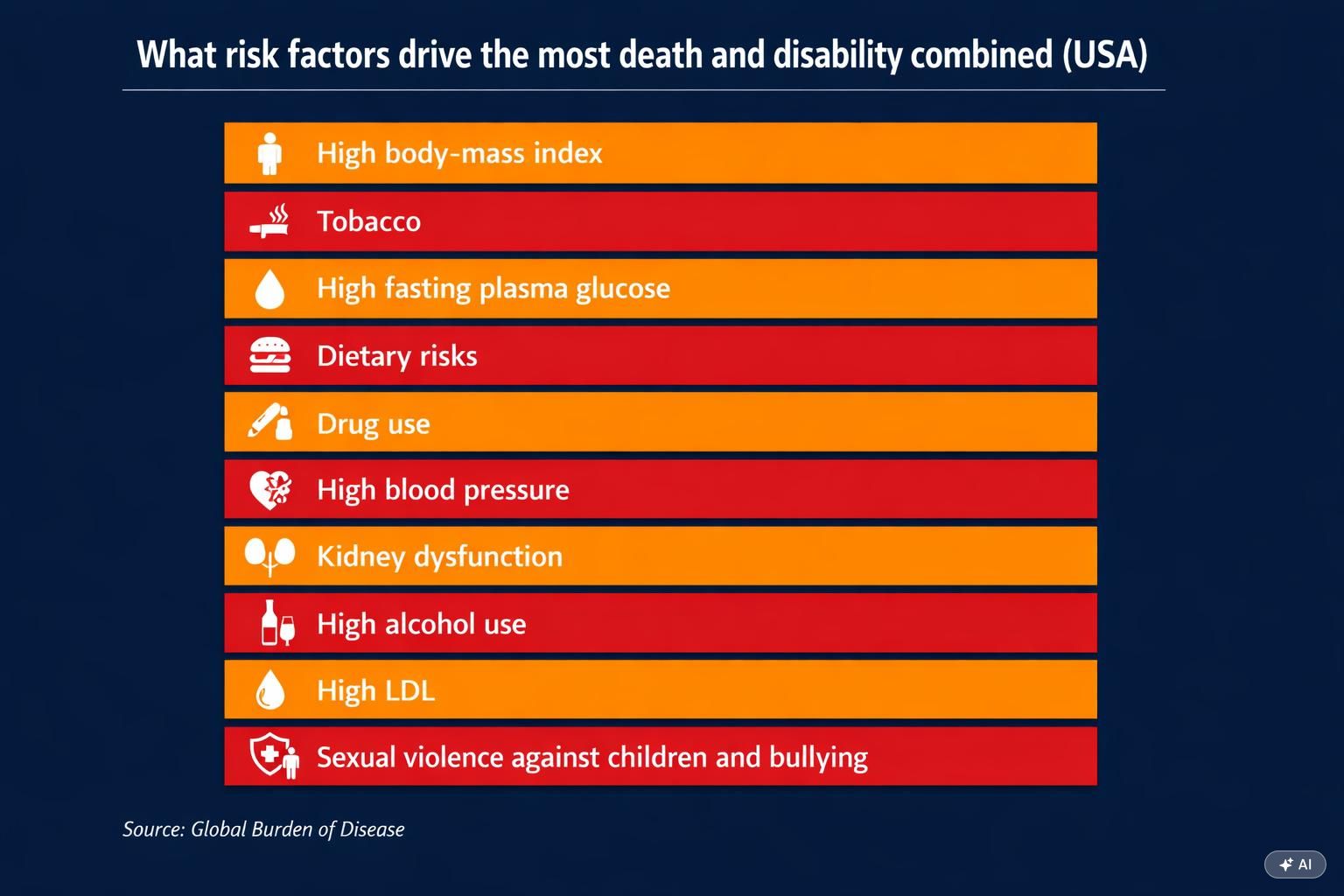
Smoking remains one of the leading preventable causes of premature death and disability worldwide. Despite decades of public health action, smoking-related mortality remains extremely high.
The Scale of Death
Globally, tobacco causes more than eight million deaths each year, according to the World Health Organization. Over seven million result from direct smoking, while about 1.2 million occur among non-smokers exposed to secondhand smoke.
- United States: Smoking causes over 480,000 deaths annually—about one in five deaths. This exceeds the combined mortality from HIV, illegal drugs, alcohol abuse, traffic accidents, and firearms.
- United Kingdom: Around 76,000 deaths per year are linked to smoking, accounting for roughly 15% of deaths among adults over 35.
Smoking Compared with Other Risks
Smoking’s impact is often greater than other major health risks.
- Obesity: Excess weight contributes to many diseases, but studies generally show smoking directly causes more deaths in many countries. Obesity often worsens diseases that smoking also promotes.
- Alcohol: Alcohol misuse causes about three million deaths globally each year. Although significant, this total remains lower than tobacco-related mortality.
These comparisons highlight smoking’s uniquely destructive role in global health.
Main Diseases Caused by Smoking
Smoking damages nearly every organ and leads to several major causes of death:
- Cardiovascular diseases: Smoking greatly increases the risk of heart attacks, strokes, coronary artery disease, and aneurysms by damaging blood vessels and raising blood pressure.
- Cancers: About 90% of lung cancer deaths are caused by smoking, which also contributes to cancers of the mouth, throat, esophagus, stomach, pancreas, bladder, kidney, cervix, and others.
- Chronic Obstructive Pulmonary Disease (COPD): Including emphysema and chronic bronchitis, COPD is largely driven by smoking and leads to progressive breathing failure.
- Other respiratory diseases: Smoking increases the severity and fatality of infections such as pneumonia and influenza.
- Diabetes: Smoking raises the risk of type 2 diabetes and worsens its complications.
Trends Over Time
Smoking rates were much higher in the twentieth century, leading to decades of smoking-related disease.
- Declining prevalence: In countries such as the United States and the United Kingdom, smoking rates have fallen due to taxes, smoke-free laws, public education, and cessation programs.
- Delayed mortality decline: Because smoking diseases develop slowly, reductions in death rates take decades to appear, though improvements are now visible.
- Global shift: While smoking is declining in many wealthy nations, rates remain high or rising in some low- and middle-income countries, particularly in parts of Asia and Africa.
- New products: Heated tobacco, e-cigarettes, and nicotine pouches may reduce harm compared with cigarettes.
Reducing Smoking Mortality
Lowering tobacco-related deaths requires coordinated action.
Tobacco control policies
- Higher tobacco taxes to reduce consumption, especially among youth
- Smoke-free public spaces to protect non-smokers
- Advertising restrictions and plain packaging to reduce product appeal
Support for quitting
- Access to nicotine replacement therapies, medications such as cytisine, varenicline or bupropion, and behavioral support
- Involvement of healthcare professionals in screening and cessation advice
Public education
- Strong awareness campaigns about health risks
- Targeted programs for vulnerable populations with higher smoking rates
Switching from cigarettes
- While quitting entirely is best, smokers who cannot stop nicotine use may reduce harm by switching from combustible cigarettes to non-combustible products.
Although progress has been made, smoking continues to cause millions of deaths each year. Sustained public health efforts and new strategies remain essential to further reduce this preventable mortality.




Leave a Reply