
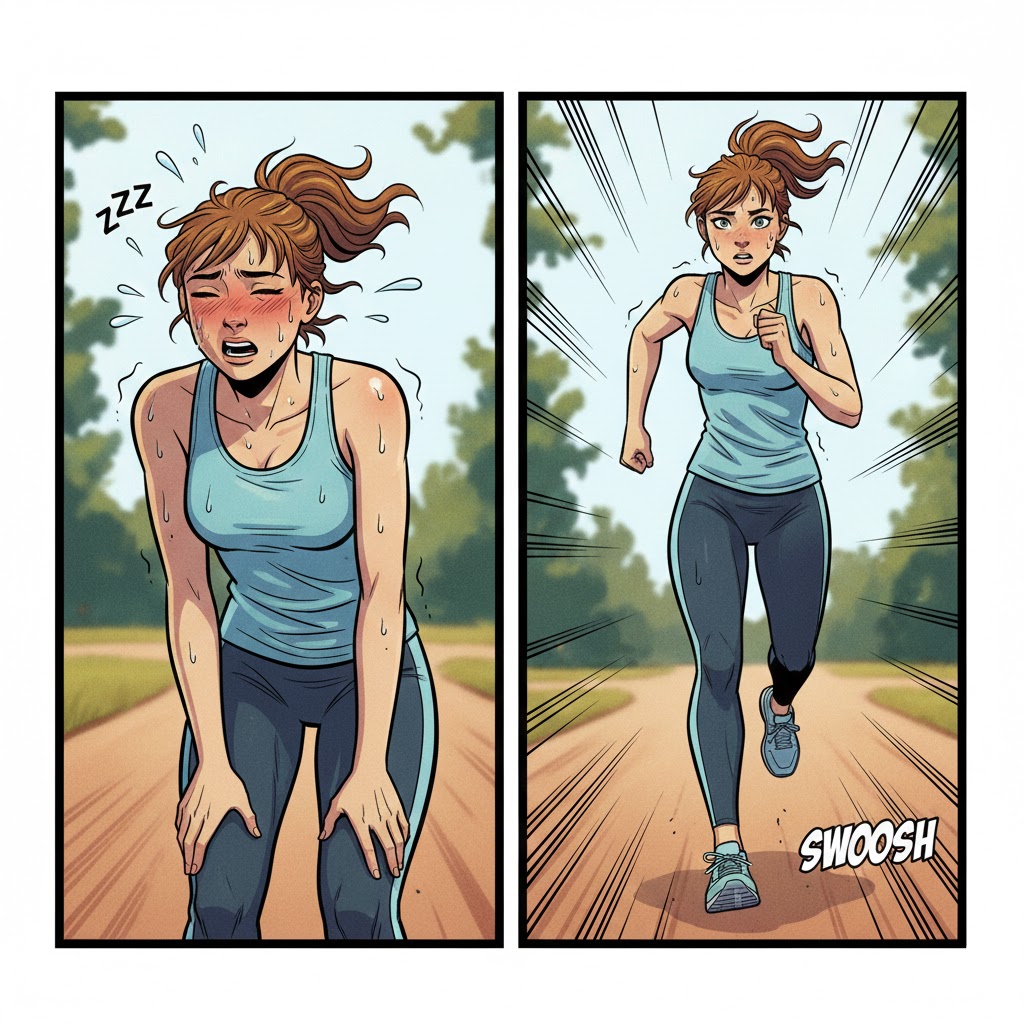
Quitting smoking is one of the single most important steps you can take to improve your health, regardless of your age or how long you’ve smoked. The benefits begin almost immediately and continue to increase over time. Here’s what you need to know about the benefits of quitting smoking, its effects on symptoms and health after 1 day, 1 week, 1 month, 1 year, and 10 years, including specific benefits for women and older smokers.
| Time After Quitting | Health Outcome/Symptom Effect |
| 20 Minutes | Carbon monoxide level in your blood decrease already |
| 12 Hours | The carbon monoxide level in your blood drops to normal, increasing the oxygen in your blood. |
| 1 Day | – Your risk of a heart attack begins to decrease. – Blood pressure continues to drop. – You have better breath (less odor) and you no longer smell like cold smoke. |
| 2-3 Days | – Your sense of taste and smell improves. – Bronchial tubes start to clean, making breathing easier. – You already spared enough money to buy a book. |
| 1 Week | – Energy levels increase. – You cough and expectorate less. |
| 2 Weeks to 3 Months | – Circulation improves, and lung function increases (by up to 30% in some cases). – Walking and physical activity become easier. |
| 1 to 9 Months | – Coughing and shortness of breath decrease as the cilia (tiny hairs that clean the lungs) regain normal function, offering a better protection against infectious agents. – The risk of respiratory infection decreases – Sinus congestion and lung capacity continue to improve. |
| 1 Year | – Your risk of coronary heart disease (heart attack) is half that of a smoker. – You have already saved enough money to treat yourself to two weeks of your dream vacation. |
| 5 Years | – Your risk of stroke is reduced to that of a non-smoker. – Your risk of mouth, throat, and esophageal cancer is cut in half. |
| 10 Years | – Your risk of dying from lung cancer is about half that of a person who is still smoking. – Your risk of bladder, kidney, and pancreatic cancers also decreases. – You saved enough money to by a new car |
| 15 Years | – Your risk of coronary heart disease is nearly the same as that of a non-smoker. – Your risk of dying from almost any cause is almost the same as that of a non-smoker. |
Immediate & Long-Term Benefits
Quitting smoking positively impacts nearly every system in your body, from reducing your risk of life-threatening diseases to improving your daily quality of life.
General Benefits
- Financial Savings: You will save a substantial amount of money that can be used for other enjoyable activities.
- Improved Senses: Your senses of smell and taste will begin to return to normal, making food more enjoyable.
- Better Appearance: The yellowing of your teeth and nails will stop, your skin will show fewer signs of premature aging/wrinkles, you will have better breath (less odor), and you will no longer smell like cold smoke.
- Enhanced Social Life: You’ll be free from the hassle of needing to smoke, and you’ll protect your loved ones from secondhand smoke.
Health and Timeline Benefits
Your body starts repairing itself within minutes of your last cigarette.
Specific Benefits for Women
Women who quit smoking experience specific health benefits:
- Reproductive Health:
- Fertility improves, making it easier to conceive.
- Quitting reduces the risk of premature births, low birth weight babies, and miscarriage.
- If you’re already pregnant, quitting is the best thing you can do for the health of both you and your baby.
- Contraceptive pill: it is dangerous to both smoke and take the pill. The associated risks (in particular thrombosis) start to decrease as soon as you quit smoking.
- Nicotine affects the nervous system of fetuses and infants because it crosses the placental barrier and passes into breast milk.
- The risk of sudden infant death syndrome is higher when parents smoke.
- Compared to children of non-smokers, children of smokers are twice as likely to become smokers themselves, and they are also more affected by respiratory infections and asthma..
- Hormonal Balance: Your estrogen levels gradually return to normal. Smoking can lead to earlier menopause (1–4 years earlier) and more severe menopausal symptoms; quitting helps mitigate this.
- Cancer Risk: Your risk of cervical cancer drops to near that of a non-smoker within as little as five years.
- Bone Health: Quitting helps protect against osteoporosis and reduces the risk of fractures.
- Wrinkles: Sun exposure and smoking are the two main risk factors for wrinkles. By quitting smoking, you can improve the appearance of your skin.
Specific Benefits for People Aged 65 or Older
It is never too late to quit. Even long-term smokers who quit in their later years gain significant health advantages, often leading to a longer, more active life.
- Longevity: Quitting at age 65 can still significantly add years to your life expectancy and improve quality of life. Even quitting at age 80 reduces the risk of dying from smoking-related diseases.
- Cardiovascular Health: The rapid improvement in circulation and lower risk of heart attack are particularly vital for older adults, whose systems may already be under stress.
- Cognitive Function: Smoking is a risk factor for dementia and Alzheimer’s disease. Quitting can preserve and improve cognitive function, including memory, attention, and processing speed.
- Respiratory Function: Improved lung function is crucial for maintaining an active and independent lifestyle. Quitting helps enhance respiratory capacity and reduces the risk of respiratory infections.
- Medication Efficacy: Smoking can interfere with how some medicines work. Quitting can ensure your medications work more effectively.
Use the ‘Comments’ field below to share your experience or to suggest improvements to this article.




Leave a Reply