Tag: varenicline

  • Varenicline

    Varenicline

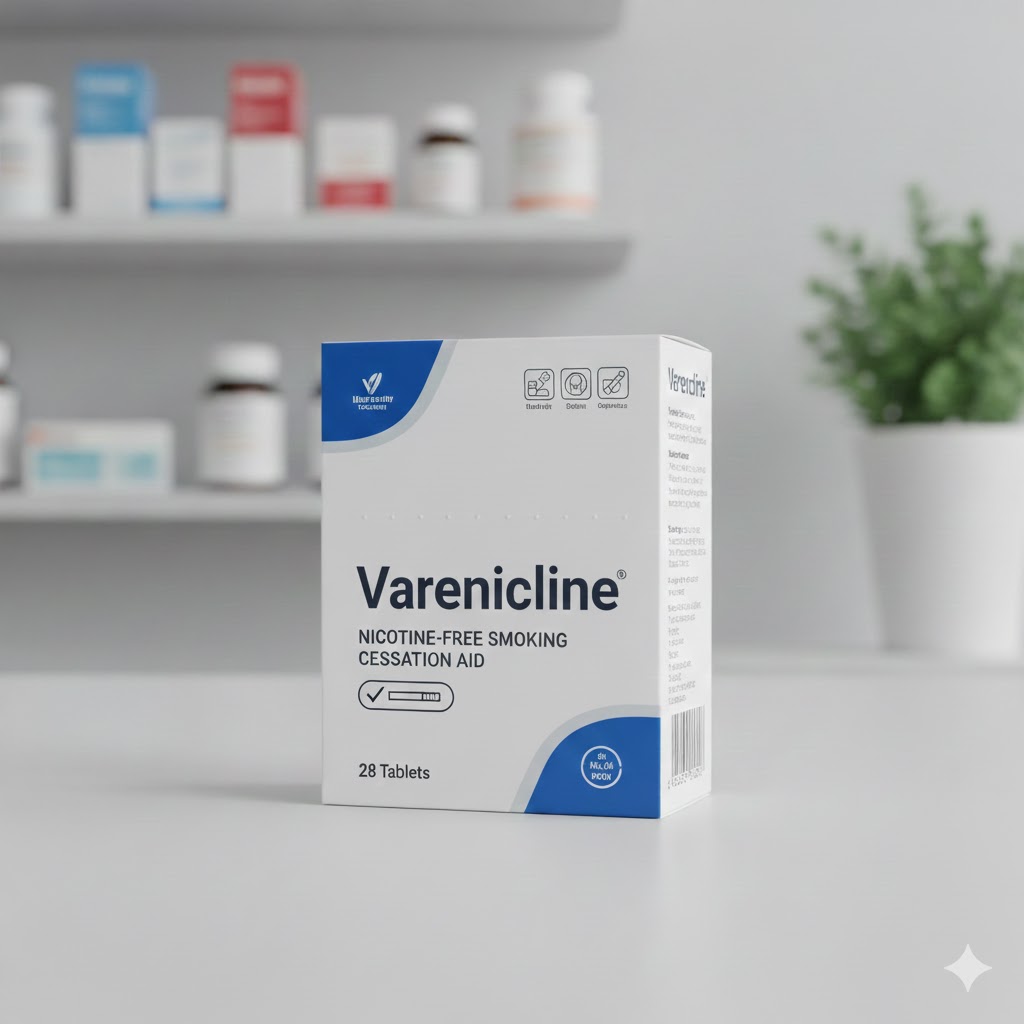
    Varenicline (brand names Chantix, Champix, and various generics) is an effective medication used to quit smoking. It is available only by prescription. This article will help you understand what varenicline is, how it works, and what you can expect if you choose to use it to quit smoking.

    What is Varenicline and How Does It Work?

    Varenicline is a prescription medication specifically designed to help adults stop smoking. It is not a form of nicotine replacement therapy (like patches or gum); instead, it works directly on the brain’s receptors.

    The Science Behind It

    Varenicline works in two critical ways. First, it reduces withdrawal and cravings. Nicotine causes your brain to release “feel-good” chemicals, such as dopamine. Varenicline acts as a partial agonist on the specific brain receptors called alpha-4 / beta-2 nicotinic acetylcholine receptors) that nicotine binds to. This action mimics nicotine, providing enough stimulation to significantly reduce the severe cravings and withdrawal symptoms that often make quitting so difficult. Second, it blocks the “reward”. If you smoke a cigarette while taking Varenicline, the medication blocks nicotine from attaching fully to the receptors. This prevents you from getting the same satisfying, rewarding feeling you usually do from smoking, thereby dulling the pleasure and making it easier to let go of the habit.

    In simple terms, Varenicline both reduces your need to smoke and reduces the satisfaction if you do smoke.

    Starting Your Varenicline Treatment

    Varenicline is typically started one week before your chosen quit date. This allows the medication to build up to effective levels in your system before you stop smoking entirely.

    Your doctor will provide a specific dosing schedule, but it generally follows a pattern designed to minimize side effects. You will usually start with a low dose of 0.5 mg once daily for the first three days to allow your body to adjust. On days four through seven, the dose increases to 0.5 mg twice daily, increasing the therapeutic level. From day eight until the end of the treatment, the full, effective dose is typically 1 mg twice daily.

    It is recommended to continue treatment for 12 weeks. If you successfully quit, your doctor may recommend another 12-week course to further solidify your abstinence.

    You must have a firm quit date set before starting this medication. Varenicline is not intended to just cut down—it is meant to help you stop completely.

    What to Expect and Potential Side Effects

    As with any medication, it is important to know what you might experience.

    Common Side Effects

    The most frequently reported side effects are generally mild and often decrease over time. The most common side effect is nausea. Taking the medication after a meal and with a full glass of water can help significantly reduce this. Some people report sleep disturbances, such as unusual dreams or insomnia. Taking the evening dose earlier in the day may help alleviate this. Other common effects include headache and fatigue.

    Important Safety Information

    While rare, Varenicline has been associated with changes in mood or behavior. You should immediately contact your healthcare provider if you experience new or worsening depression or anxiety, hostility or aggression, or thoughts of self-harm. Your doctor will monitor you closely during treatment. Be sure to discuss your medical history, especially any history of mental health issues or seizures, before starting the medication.

    Maximizing Your Success

    Varenicline is a powerful tool, but it works best when combined with behavioral support. You need to commit to your scheduled quit date and take the medication exactly as prescribed. Get support by using our website resources, attending support groups, or speaking with a quit-line counselor, as combining medication with counseling dramatically increases your chances of success. Identify triggers; while the medication helps with physical cravings, you still need to learn how to manage situations that make you want to smoke, such as having coffee, drinking alcohol, or feeling stressed. Finally, be patient. It may take a few weeks for the full effects to kick in, but stay committed to your goal.

    Ready to Take the Next Step?

    Your next step is to speak with a healthcare professional. They can determine if Varenicline is the right choice for you and help you during treatment.


    Disclaimer: Always consult a healthcare professional before starting to use varenicline.

  • Treatments of tobacco dependence

    Treatments of tobacco dependence

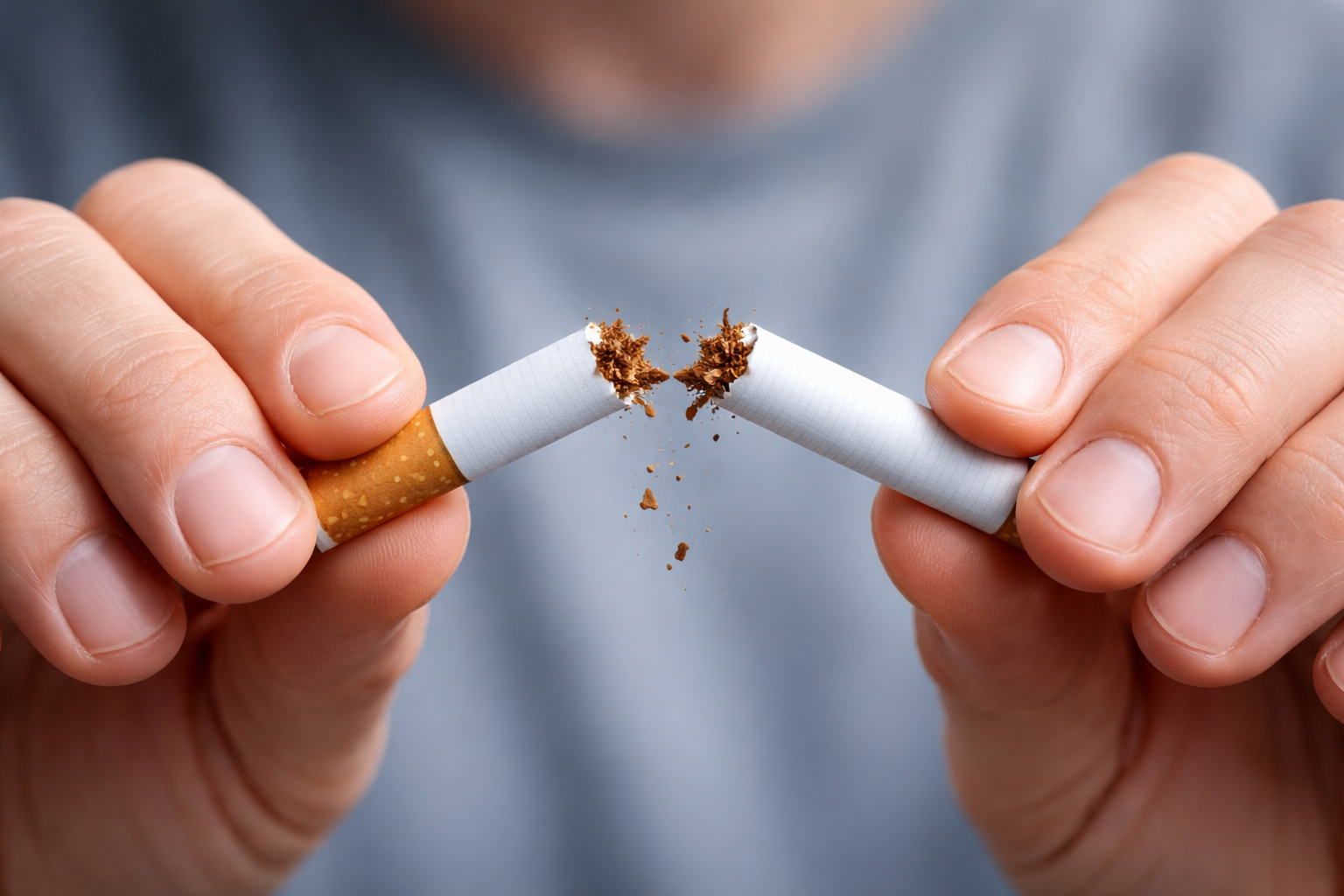
    The firm decision to quit smoking is a necessary first step, but the path to lasting abstinence requires more than willpower alone. Cigarette addiction is a chronic condition, and treating it effectively demands a sophisticated, two-pronged approach that targets both the physical craving and the ingrained behaviors. Thankfully, science has provided a robust arsenal of medications and support strategies.

    Effective Medications:

    The physical aspect of nicotine dependence is addressed through pharmacological treatments that work on the brain’s neurochemistry.

    Nicotine Replacement Therapy (NRT): The most familiar approach, NRT works by delivering clean, controlled doses of nicotine without the thousands of toxic chemicals found in tobacco smoke. This helps to alleviate the acute physical withdrawal symptoms. NRT comes in various forms, including patches (for a steady, all-day supply), gums, lozenges, inhalers, and mouth sprays (for fast relief during intense cravings). Combining a long-acting product, like the patch, with a short-acting product, such as the gum or lozenge, is often the most effective way to manage both basal cravings and breakthrough urges.

    Prescription Medications: Three prescription medications are highly effective.
    Varenicline, often considered a first-line therapy, works by partially activating the same nicotine receptors in the brain. This dual action reduces both withdrawal symptoms and the satisfaction or “reward” derived from smoking a cigarette, making smoking less appealing.
    Bupropion, an antidepressant originally, works on different brain chemicals (dopamine and norepinephrine) to help lessen the symptoms of withdrawal.
    Cytisine, a plant-based alkaloid, is also a highly effective and increasingly utilized alternative that acts similarly to varenicline, and is available in many, but not all, countries.

    Behavioral Support:

    While medication handles the physical dependence, psychological and behavioral support is crucial for addressing the years of habits, routines, and emotional associations linked to smoking. This support provides the tools necessary to navigate life without tobacco.

    Cognitive Behavioral Therapy (CBT): CBT helps patients identify the specific triggers—the morning coffee, a stressful meeting, a social setting—that lead to smoking. A therapist works with the individual to develop tailored coping mechanisms and strategies to break these conditioned responses and prevent relapse.

    Motivational Interviewing (MI): This client-centered counseling style is particularly useful for smokers who are ambivalent or uncertain about quitting. MI avoids confrontation and instead uses a collaborative approach to help the person explore their own reasons for change, building intrinsic motivation and confidence in their ability to succeed.

    The Synergy of Combined Treatment:

    The consensus among health professionals is clear: combining medication with behavioral support offers the highest chance of long-term success. Medication tackles the neurobiological drive, and support addresses the psychological and behavioral patterns. Used together, the two methods provide a protective shield that is significantly stronger than either approach used alone. Studies suggest that this combined therapy can almost double the odds of successfully quitting compared to an unaided attempt.

    Addressing Common Reservations About Medications:

    Despite the clear evidence, many smokers hesitate to use cessation medication, often due to persistent myths.

    Objection: “If I really wanted to quit, I could do it with willpower alone.”

    Response: This objection misunderstands the nature of addiction. Nicotine dependence is a complex, chronic condition involving neurochemical changes, not a failure of character. Medication helps correct the chemical imbalance, leveling the playing field so willpower has a real chance to work. Only a small fraction of unaided attempts are successful in the long term.

    Objection: “The side effects of the medication are more dangerous than smoking.”

    Response: This is unequivocally false. Smoking exposes the body to thousands of toxins and carcinogens, causing cancer, heart disease, and lung disease. The approved cessation medications, while they may have minor side effects (like nausea or vivid dreams), are used for a short, therapeutic duration and are profoundly safer than continuing to smoke.11 Nicotine in NRT, for example, is delivered without the harmful combustion products that cause the vast majority of tobacco-related illness. Nicotine itself does not cause cancer.

    Accessing Support Beyond the Clinic Walls:

    Effective support is increasingly accessible through various channels.

    Helplines and Quitlines: In many regions, specialized telephone helplines offer free, confidential, one-on-one counseling provided by trained cessation specialists. They are a convenient and highly effective form of behavioral support.

    Group Therapy: Quitting in a group setting can provide a sense of community, shared experience, and accountability, significantly boosting motivation and offering invaluable peer support.

    Online Interventions and Apps: Modern technology has introduced apps and online programs that provide structure, tracking, daily tips, and virtual coaching, offering flexible support that can be accessed anytime and anywhere.

    The Role of Novel Nicotine Products:

    The emergence of e-cigarettes (vaping), heated tobacco products (HTPs), and nicotine pouches has introduced a new dynamic to the quitting conversation. These products are generally seen as less harmful than traditional combustible cigarettes because they eliminate combustion and thus reduce exposure to most toxins.

    E-cigarettes (Vaping): Some regulatory bodies now recommend e-cigarettes as a tool for smoking cessation. The evidence shows that, when used as a complete replacement for cigarettes, nicotine-containing e-cigarettes are more effective than NRT in helping smokers quit. However, health professionals caution that the goal must be complete nicotine cessation, not dual use (smoking and vaping), and the long-term health effects of vaping remain under study.

    Heated Tobacco and Nicotine Pouches: These products are part of the “harm reduction” spectrum. HTPs heat tobacco instead of burning it, and nicotine pouches contain no tobacco leaf, only nicotine and flavorings. While they reduce exposure to some toxicants compared to smoking, they are still addictive nicotine delivery systems. Their role in smoking cessation is debated, but they are often viewed by experts as a less desirable path than using approved medication, which has a clear track record and a defined endpoint for use.

    The most successful treatment is one that is chosen in consultation with a healthcare provider and tailored to the individual’s level of dependence and personal circumstances and preferences, combining medications with behavioral strategies.


    Use the ‘Comments’ field below to share your experience or to suggest improvements to this page.