Tag: bupropion

  • Bupropion (Zyban)

    Bupropion (Zyban)

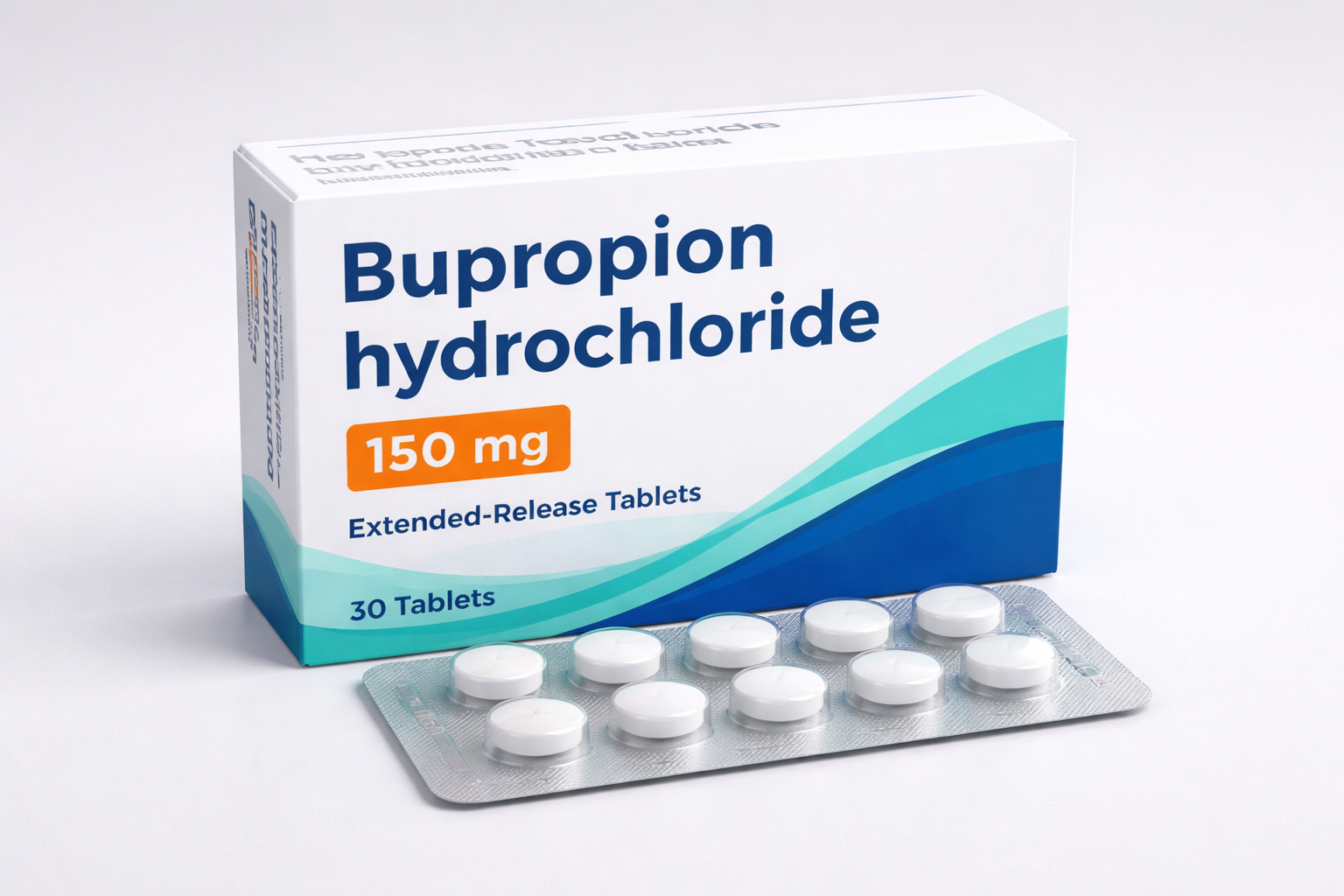
    When it comes to quitting smoking, nicotine replacement therapies are not the only option available. For some smokers, particularly those who struggle with the psychological aspects of withdrawal, a medication alternative called bupropion, marketed under the name Zyban, can prove decisive.

    Bupropion is not a nicotine substitute; it is an atypical antidepressant serendipitously discovered to be effective in smoking cessation. Its mechanism of action relies on modifying the levels of certain neurotransmitters in the brain, notably dopamine and norepinephrine. By acting on these chemical substances, Bupropion manages to reduce the intensity of the urge to smoke and alleviate the unpleasant symptoms of withdrawal, such as irritability, anxiety or depressed mood, which are often major factors leading to relapse.

    Treatment Protocol and Dosage

    Treatment with Bupropion is a commitment that generally lasts seven to nine weeks. It is crucial that the patient starts taking the medication one to two weeks before their set quit date. This preparation phase is essential to allow Bupropion to reach an optimal therapeutic concentration in the blood before complete cessation is initiated.

    The usual dosage starts with one 150 mg tablet once daily for the first six days. From the seventh day, the dose is typically increased to 150 mg twice daily, ensuring that doses are spaced at least eight hours apart. It is imperative not to exceed 300 mg per day. This gradual increase is necessary to ensure maximum efficacy and to minimize side effects. The importance of a sufficient dose is central: if the smoker continues to feel a strong urge to smoke or significant withdrawal symptoms, it means the treatment is not fully effective, requiring careful medical monitoring to ensure the dosage is adequate and adhered to.

    Experts emphasize the importance of never stopping treatment prematurely. Even after successfully quitting smoking, it is recommended to continue the therapy until the end of the prescribed cycle to consolidate cessation and prevent the risk of relapse, which is particularly high in the first few weeks.

    For the user, the main recommendation is to strictly follow the doctor’s instructions, especially the timing of quitting smoking during the course of treatment. It is essential not to take a double dose if one is missed and to immediately inform the doctor of any changes in behavior or mood.

    Efficacy and Profile of Beneficiaries

    Clinical studies have shown that Bupropion roughly doubles the success rate of cessation compared to a placebo. Its efficacy is comparable to nicotine replacement therapy and is enhanced when combined with behavioral support.

    Bupropion is particularly beneficial for a specific category of smokers: those with a history of mood disorders, especially depression. Since it has antidepressant activity, it helps not only with quitting smoking but also with preventing the onset or worsening of depressive symptoms that may occur during withdrawal.

    If you feel depressed or have suicidal thoughts, consult your doctor immediately or go to the nearest hospital.

    Side Effects and Contraindications

    Like any medicinal treatment, Bupropion has side effects and strict contraindications. The most common side effects include dry mouth and, very frequently, insomnia, which is why the second daily dose should be taken in the early afternoon, far from bedtime.

    The most severe contraindication concerns seizure disorders or any factor that lowers the seizure threshold (such as a head injury or alcohol abuse), as Bupropion slightly increases the risk of seizures. It is also strictly contraindicated in cases of eating disorders (anorexia or bulimia) or during abrupt alcohol or benzodiazepine withdrawal. A thorough medical examination is therefore essential before any prescription.

    Serotonin syndrome (a potentially life-threatening condition) may occur, particularly when bupropion is taken in excessive doses or in combination with medications that affect serotonin levels.

    Pregnancy, Breastfeeding, and User Recommendations

    Regarding pregnancy and breastfeeding, Bupropion is generally not recommended. In the absence of robust safety data and considering potential risks to the fetus or infant, the first line of treatment for pregnant women remains the use of Nicotine Replacement Therapies, always under close medical supervision, or cessation without medicinal aid.


    Use the “Comments” field below to share your experience with bupropion or to suggest improvements to this page.


  • Treatments of tobacco dependence

    Treatments of tobacco dependence

    The firm decision to quit smoking is a necessary first step, but the path to lasting abstinence requires more than willpower alone. Cigarette addiction is a chronic condition, and treating it effectively demands a sophisticated, two-pronged approach that targets both the physical craving and the ingrained behaviors. Thankfully, science has provided a robust arsenal of medications and support strategies.

    Effective Medications:

    The physical aspect of nicotine dependence is addressed through pharmacological treatments that work on the brain’s neurochemistry.

    Nicotine Replacement Therapy (NRT): The most familiar approach, NRT works by delivering clean, controlled doses of nicotine without the thousands of toxic chemicals found in tobacco smoke. This helps to alleviate the acute physical withdrawal symptoms. NRT comes in various forms, including patches (for a steady, all-day supply), gums, lozenges, inhalers, and mouth sprays (for fast relief during intense cravings). Combining a long-acting product, like the patch, with a short-acting product, such as the gum or lozenge, is often the most effective way to manage both basal cravings and breakthrough urges.

    Prescription Medications: Three prescription medications are highly effective.
    Varenicline, often considered a first-line therapy, works by partially activating the same nicotine receptors in the brain. This dual action reduces both withdrawal symptoms and the satisfaction or “reward” derived from smoking a cigarette, making smoking less appealing.
    Bupropion, an antidepressant originally, works on different brain chemicals (dopamine and norepinephrine) to help lessen the symptoms of withdrawal.
    Cytisine, a plant-based alkaloid, is also a highly effective and increasingly utilized alternative that acts similarly to varenicline, and is available in many, but not all, countries.

    Behavioral Support:

    While medication handles the physical dependence, psychological and behavioral support is crucial for addressing the years of habits, routines, and emotional associations linked to smoking. This support provides the tools necessary to navigate life without tobacco.

    Cognitive Behavioral Therapy (CBT): CBT helps patients identify the specific triggers—the morning coffee, a stressful meeting, a social setting—that lead to smoking. A therapist works with the individual to develop tailored coping mechanisms and strategies to break these conditioned responses and prevent relapse.

    Motivational Interviewing (MI): This client-centered counseling style is particularly useful for smokers who are ambivalent or uncertain about quitting. MI avoids confrontation and instead uses a collaborative approach to help the person explore their own reasons for change, building intrinsic motivation and confidence in their ability to succeed.

    The Synergy of Combined Treatment:

    The consensus among health professionals is clear: combining medication with behavioral support offers the highest chance of long-term success. Medication tackles the neurobiological drive, and support addresses the psychological and behavioral patterns. Used together, the two methods provide a protective shield that is significantly stronger than either approach used alone. Studies suggest that this combined therapy can almost double the odds of successfully quitting compared to an unaided attempt.

    Addressing Common Reservations About Medications:

    Despite the clear evidence, many smokers hesitate to use cessation medication, often due to persistent myths.

    Objection: “If I really wanted to quit, I could do it with willpower alone.”

    Response: This objection misunderstands the nature of addiction. Nicotine dependence is a complex, chronic condition involving neurochemical changes, not a failure of character. Medication helps correct the chemical imbalance, leveling the playing field so willpower has a real chance to work. Only a small fraction of unaided attempts are successful in the long term.

    Objection: “The side effects of the medication are more dangerous than smoking.”

    Response: This is unequivocally false. Smoking exposes the body to thousands of toxins and carcinogens, causing cancer, heart disease, and lung disease. The approved cessation medications, while they may have minor side effects (like nausea or vivid dreams), are used for a short, therapeutic duration and are profoundly safer than continuing to smoke.11 Nicotine in NRT, for example, is delivered without the harmful combustion products that cause the vast majority of tobacco-related illness. Nicotine itself does not cause cancer.

    Accessing Support Beyond the Clinic Walls:

    Effective support is increasingly accessible through various channels.

    Helplines and Quitlines: In many regions, specialized telephone helplines offer free, confidential, one-on-one counseling provided by trained cessation specialists. They are a convenient and highly effective form of behavioral support.

    Group Therapy: Quitting in a group setting can provide a sense of community, shared experience, and accountability, significantly boosting motivation and offering invaluable peer support.

    Online Interventions and Apps: Modern technology has introduced apps and online programs that provide structure, tracking, daily tips, and virtual coaching, offering flexible support that can be accessed anytime and anywhere.

    The Role of Novel Nicotine Products:

    The emergence of e-cigarettes (vaping), heated tobacco products (HTPs), and nicotine pouches has introduced a new dynamic to the quitting conversation. These products are generally seen as less harmful than traditional combustible cigarettes because they eliminate combustion and thus reduce exposure to most toxins.

    E-cigarettes (Vaping): Some regulatory bodies now recommend e-cigarettes as a tool for smoking cessation. The evidence shows that, when used as a complete replacement for cigarettes, nicotine-containing e-cigarettes are more effective than NRT in helping smokers quit. However, health professionals caution that the goal must be complete nicotine cessation, not dual use (smoking and vaping), and the long-term health effects of vaping remain under study.

    Heated Tobacco and Nicotine Pouches: These products are part of the “harm reduction” spectrum. HTPs heat tobacco instead of burning it, and nicotine pouches contain no tobacco leaf, only nicotine and flavorings. While they reduce exposure to some toxicants compared to smoking, they are still addictive nicotine delivery systems. Their role in smoking cessation is debated, but they are often viewed by experts as a less desirable path than using approved medication, which has a clear track record and a defined endpoint for use.

    The most successful treatment is one that is chosen in consultation with a healthcare provider and tailored to the individual’s level of dependence and personal circumstances and preferences, combining medications with behavioral strategies.


    Use the ‘Comments’ field below to share your experience or to suggest improvements to this page.