
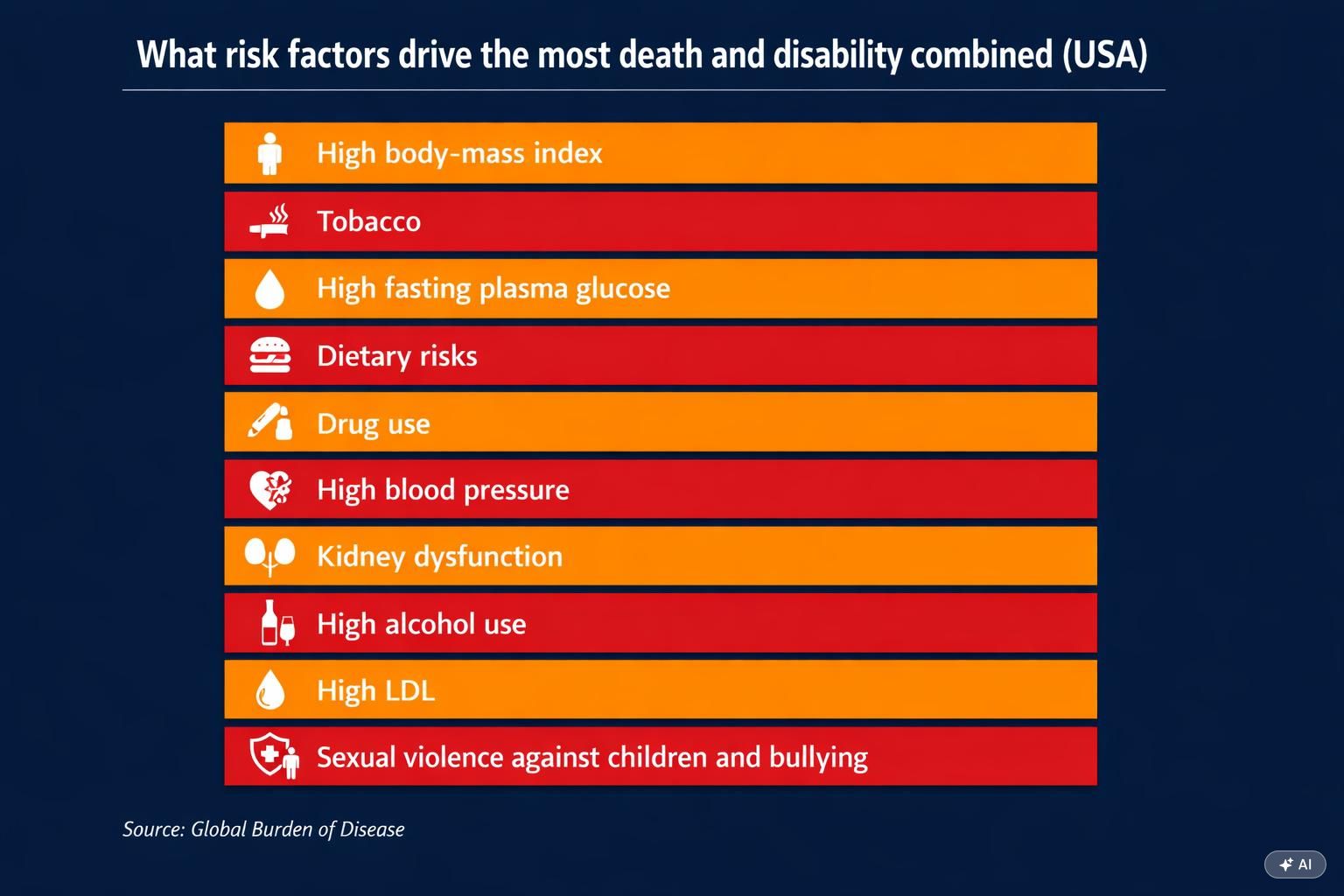
Mortality caused by smoking

Smoking is one of the leading preventable factors contributing to premature death and disabling illness worldwide. Despite decades of public health action and widespread awareness of its dangers, the number of smoking-related deaths remains staggering.

The Staggering Scale of Death

Across the globe, smoking is responsible for a monumental loss of life. The World Health Organization (WHO) estimates that tobacco claims more than eight million lives annually. The vast majority—over seven million—result from direct tobacco use, while approximately 1.2 million fatalities occur among non-smokers exposed to secondhand smoke. This positions tobacco as one of the pre-eminent preventable causes of death internationally.

  • United States: U.S. health authorities, including the Centers for Disease Control and Prevention (CDC), state that smoking accounts for over 480,000 deaths each year in the nation, a figure that includes victims of secondhand smoke. This means that roughly one in five deaths is attributable to smoking. Remarkably, this total surpasses the combined mortality from HIV, illegal drug use, excessive alcohol consumption, traffic accidents, and firearm injuries.
  • United Kingdom: In the UK, data from the National Health Service (NHS) and related agencies indicates that smoking leads to around 76,000 deaths annually. This constitutes about fifteen percent of all deaths among adults aged thirty-five and older, demonstrating its substantial drain on public health.

Comparing Smoking Versus Other Major Risks

To properly assess the immense impact of smoking, a comparison with other major public health threats is necessary:

  • Overweight and Obesity: While excess weight and obesity pose serious threats, contributing to conditions such as heart disease, diabetes, and certain malignancies, direct mortality figures are intricate to isolate. Nonetheless, studies consistently demonstrate that tobacco smoking is a more direct and potent killer than obesity alone. In many analyses, the number of deaths directly caused by smoking far exceeds those directly linked to obesity, although it is important to acknowledge that obesity exacerbates chronic diseases and often compounds the risks associated with smoking.
  • Alcohol: Alcohol misuse is another significant source of preventable death, resulting in fatalities from liver failure, accidents, violent incidents, and specific cancers. Although alcohol-related deaths are substantial—estimated by the WHO at roughly three million globally each year—the total worldwide mortality caused by tobacco typically remains higher. Both in the US and the UK, while alcohol-related deaths are a critical concern, they generally do not reach the devastating overall numbers associated with smoking.

This comparison emphasizes that while the problems of excess weight and alcohol consumption are vital public health priorities, smoking occupies a uniquely destructive position as a powerful and singular cause of early mortality.

The Main Diseases Responsible for Smoking-Related Mortality

Smoking does not attack a single target; it harms virtually every bodily system, resulting in a broad spectrum of fatal illnesses. The primary contributors to smoking-related mortality include:

  1. Cardiovascular Diseases: This category is the leading cause of death among smokers. Smoking drastically increases the likelihood of heart attack, stroke, coronary artery disease, peripheral artery disease, and aneurysm. Toxic chemicals in tobacco damage blood vessel linings, accelerate the accumulation of arterial plaque, and elevate blood pressure and heart rate.
  2. Cancers: Smoking is a direct cause of cancer in almost all areas of the body. Lung cancer is the most recognized consequence, with approximately ninety percent of lung cancer deaths stemming from smoking. However, tobacco also causes cancers of the mouth, throat (pharynx), voice box (larynx), esophagus, stomach, colon, rectum, liver, pancreas, kidney, bladder, cervix, and a specific type of blood cancer (acute myeloid leukemia).
  3. Chronic Obstructive Pulmonary Disease (COPD): This broad diagnosis encompasses emphysema and chronic bronchitis. Smoking is overwhelmingly the main driver of the condition, leading to progressive and irreversible lung destruction that severely restricts air flow, causing debilitating breathing difficulties and eventually proving fatal.
  4. Other Respiratory Diseases: Beyond COPD, smoking worsens and contributes to the fatality of other respiratory conditions, including severe bouts of pneumonia and influenza.
  5. Diabetes: Smoking heightens the risk of developing type 2 diabetes and makes managing the condition considerably harder, resulting in more severe complications.

Trends Over Time

Historically, the rate of smoking was much higher in many Western nations. The increase in cigarette use during the twentieth century inevitably led to an epidemic of smoking-related diseases and deaths that unfolded in the subsequent decades.

  • Decline in Prevalence: Over the past thirty years, many affluent nations, including the United States and the United Kingdom, have observed a marked decline in smoking prevalence. This positive change is the result of consistent public health initiatives, significant tax increases on tobacco products, widespread smoke-free regulations, and comprehensive programs to help people quit.
  • Lag in Mortality Decline: Although the numbers of people who smoke have fallen, the corresponding drop in smoking-related deaths often takes several decades to materialize because the diseases caused by smoking take many years to develop. Nonetheless, a positive trend is now visible: as smoking prevalence decreases, so too does the incidence of associated diseases and deaths, though the process is slow.
  • Global Shift: While smoking rates are receding in many economically developed nations, they remain high or are, in some cases, rising in certain low- and middle-income countries, particularly in regions of Asia and Africa. This shift means the global burden of mortality from smoking is increasingly concentrated in these areas.
  • Evolving Products: The proliferation of heated tobacco devices, electronic cigarettes and vaping devices, and other new tobacco products adds a layer of complexity. While they have a potential for reducing harm, their long-term health consequences are still under scrutiny, and their eventual effect on tobacco-related mortality remains unclear.

Ways to Reduce This Mortality

Lowering the mortality associated with smoking demands a unified approach that integrates individual responsibility, public health policy, and medical intervention:

  1. Comprehensive Tobacco Control Policies:
    • Taxation Increases: Raising duties on tobacco products makes them prohibitively expensive, particularly for young people, and is proven to curtail consumption.
    • Smoke-Free Environments: Legislation banning smoking in public indoor spaces and workplaces protects non-smokers from harmful secondhand smoke and encourages smokers to reduce their intake or quit entirely.
    • Marketing Restrictions: Strict controls on the advertising, promotion, and sponsorship of tobacco products are crucial to prevent the recruitment of new, young users.
    • Plain Packaging: Standardized, simple packaging featuring large, graphic health warnings has been demonstrated to lessen the attractiveness of tobacco products.
  2. Support for Quitting:
    • Access to Treatment: Ensuring broad availability of proven methods to stop smoking, including nicotine replacement therapies, prescription drugs (such as varenicline and bupropion), and tailored behavioral support, is essential.
    • Involvement of Healthcare Providers: Encouraging doctors, nurses, and other health professionals to routinely screen patients for tobacco use and provide brief, supportive advice along with referrals to specialized cessation services.
  3. Public Awareness and Education:
    • Targeted Campaigns: Continuing to fund and implement powerful public service campaigns that clearly illustrate the specific health consequences of smoking, with a focus on reaching younger demographics.
    • Focus on Vulnerable Groups: Developing customized support programs for populations that exhibit higher smoking rates or face significant socio-economic disadvantages.
  4. Replacement of cigarettes by non-combustible products:
    • While quitting smoking remains the fundamental measure, for some current smokers who find it difficult stop using nicotine, it is preferable to consume it from non-combustible products. Policies should facilitate this transition..

The challenge posed by smoking is not yet overcome. While considerable progress has been achieved in some parts of the world, the global death statistics serve as a powerful reminder of the lasting and potent lethality of tobacco. Sustained, strong, and innovative efforts are necessary to further diminish this preventable mortality.


Image source.


Comments

Leave a Reply

Your email address will not be published. Required fields are marked *