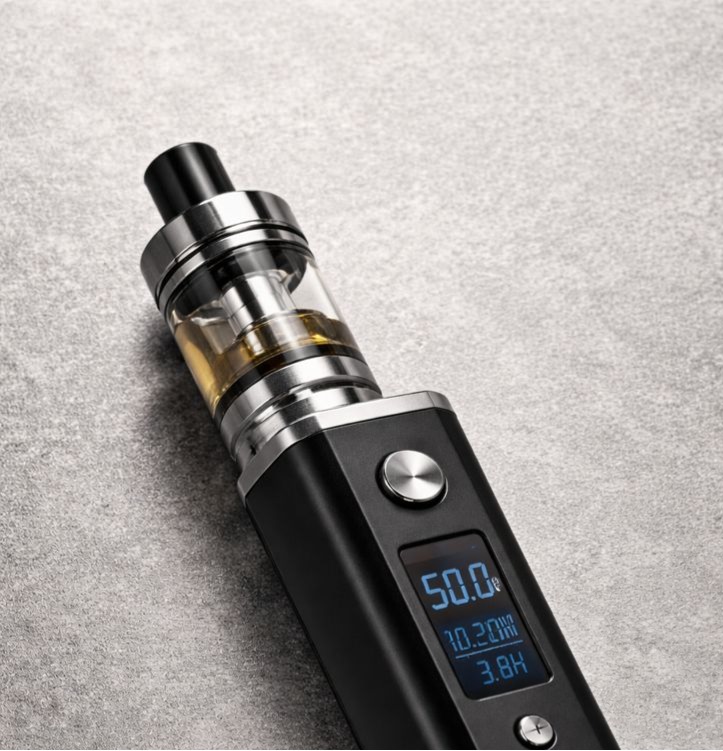
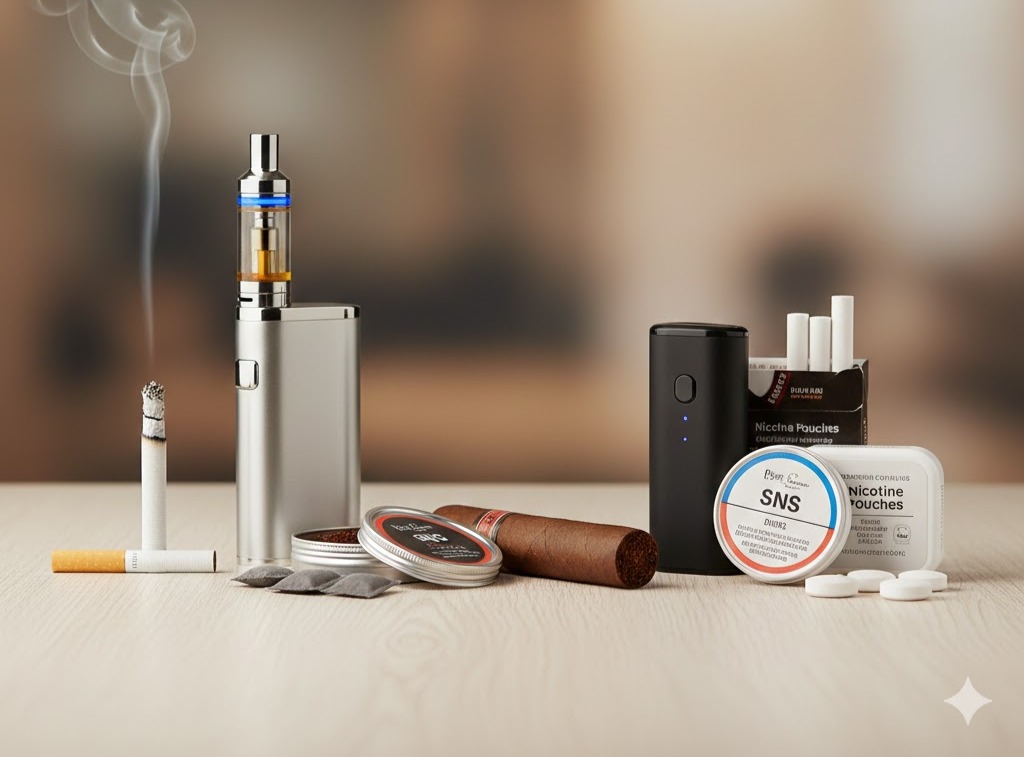
Here is what experts consider to be the current evidence regarding the health effects of nicotine. The main message is that nicotine is addictive, but poses few direct health risks when separated from tobacco smoke. People who do not already smoke should not use nicotine.
Addiction is the Main Risk: Nicotine is the chemical in tobacco that causes addiction (dependence) by triggering pleasure and making people want to avoid withdrawal symptoms (cravings).
Tobacco Smoke is the Danger: The thousands of toxic and cancer-causing chemicals in tobacco smoke—not the nicotine—are what make smoking lethal.
Aids to Quitting Smoking: Nicotine-containing products like Nicotine Replacement Therapy (NRT: patches, gum) and vapes (e-cigarettes) are effective tools to help people quit smoking by managing cravings without the severe harm of tobacco.
Vaping is recommended as a quit aid and is considered significantly less harmful than smoking.
Evidence shows people using nicotine vapes are almost twice as likely to quit successfully compared to those using NRT.
Who Should Use Nicotine: Nicotine products are primarily for people who already smoke and are trying to quit. They should not be used by non-smokers.
Specific Health Impacts of Nicotine (Separate from Smoking)
The evidence suggests that many of the severe health problems linked to smoking are not caused by nicotine alone:
Heart Health: Nicotine can cause a temporary, short-term rise in heart rate and blood pressure. However, long-term evidence of harm is lacking. Smokers who completely switch to vapes or NRT often see significant and early improvements in their vascular health.
Cancer: The research consensus is that nicotine does not cause cancer.
Brain Development: There is limited evidence that nicotine significantly impacts cognitive function in humans, and separating its effects from smoking is difficult. Pre-existing factors may also play a role.
Mental Health: While smoking is linked to conditions like depression, nicotine itself does not appear to be the main driver; other chemicals in tobacco smoke play a larger role.
Toxicity: At very high levels, nicotine can cause acute side effects like nausea and dizziness, but users quickly learn to avoid these toxic doses.
E-cigarettes are often presented as a safer alternative to traditional cigarettes. But how do they truly compare across the spectrum of our health? Let’s delve into the known effects, always drawing comparisons to the harms of combustible tobacco.
Sensory Experience: Taste and Throat Hit
One of the initial appeals of e-cigarettes lies in their diverse flavor profiles, ranging from tobacco to mint to fruits to desserts, a stark contrast to the often harsh, smoky taste of traditional cigarettes. E-cigarettes offer a “throat hit” that mimics smoking, it’s produced by nicotine. Traditional cigarettes deliver this sensation through the burning of tobacco and the inhalation of hot smoke and tar.
Effects on Breath and Oral Health
Switching to e-cigarettes generally leads to an improvement in breath odor compared to the persistent stale smell associated with cigarette smoking. The tar and chemicals in traditional cigarettes famously stain teeth and contribute to gum disease and halitosis (bad breath). E-cigarettes still contain nicotine, xxx.
Lungs and Respiratory System
Traditional cigarettes are notorious for their devastating impact on the lungs, causing chronic bronchitis, emphysema, and a dramatically increased risk of lung cancer. They introduce thousands of chemicals, including known carcinogens, directly into the delicate lung tissue. E-cigarettes, while free of tobacco combustion byproducts like tar and carbon monoxide, are not harmless to the lungs. The heated aerosols contain xxx. These can cause xxx.
Heart and Circulatory System
Traditional cigarettes pose significant risks to the heart and circulatory system. This chronic stress on the cardiovascular system can lead to an increased risk of heart attacks and strokes. Traditional cigarettes compound this risk with carbon monoxide, which reduces the blood’s oxygen-carrying capacity, and other chemicals that promote atherosclerosis (hardening of the arteries). While e-cigarettes eliminate carbon monoxide, xxx.
Brain:
Addiction
Mood
Nicotine’s impact on neurotransmitters can affect mood regulation, potentially contributing to or worsening feelings of depression and anxiety, rather than alleviating them.
Cancer Risk
Traditional cigarettes are a leading cause of cancer, responsible for cancers of the lung, throat, mouth, esophagus, bladder, and many others, due to the myriad of carcinogens produced during combustion. E-cigarettes, by contrast, do not involve combustion and therefore eliminate exposure to many of the tar and tobacco-specific carcinogens found in traditional smoke. However, xxx. The full extent of this risk is still under investigation.
Appetite and Weight Gain
Smoking traditional cigarettes is known to suppress appetite and increase metabolism, leading to a tendency for smokers to weigh less than non-smokers. Consequently, quitting smoking often results in weight gain, a significant concern for many who are trying to quit. Nicotine in e-cigarettes also has appetite-suppressing effects. Therefore, the overall health benefits of avoiding traditional cigarettes far outweigh potential concerns about weight changes.
Effects on Mothers: Fertility, Pregnancy, and Breastfeeding
Traditional cigarette smoking poses serious risks during conception, pregnancy, and breastfeeding. For fertility, smoking can negatively impact both male and female reproductive health, making conception more difficult. During pregnancy, exposure to smoke can lead to complications such as premature birth, low birth weight, and developmental issues in the fetus. During breastfeeding, nicotine passes into breast milk, which can affect the infant’s sleep patterns, heart rate, and overall well-being. While traditional cigarettes introduce thousands of additional harmful chemicals beyond nicotine, the presence of nicotine in e-cigarettes still makes them a significant concern for pregnant and breastfeeding mothers.
Therapeutic Effects of Nicotine on Certain Diseases
Interestingly, nicotine itself, separate from the harmful delivery mechanisms, has shown some intriguing therapeutic potential in specific contexts. Research has explored its effects on cognitive function, attention, and memory, leading to studies on its potential role in treating conditions like Parkinson’s disease, Tourette’s syndrome, and even some aspects of Alzheimer’s disease. The mechanism involves nicotine’s interaction with specific receptors in the brain. However, it is crucial to emphasize that these are areas of ongoing scientific investigation, typically involving controlled doses of pharmaceutical-grade nicotine, not through smoking or vaping. The potential benefits are being studied in a medical context, completely detached from recreational use.
Here is what vapers and smokers need to know about nicotine salts in e-liquids, what “nic salts” are, the difference between protonated nicotine and freebase nicotine, why some e-liquids contain nicotine salts, who should use them and who should not, the advantages and disadvantages of e-liquids containing nicotine salts, how they change the vaping experience, and the risks and precautions for use.
What Exactly Are Nicotine Salts?
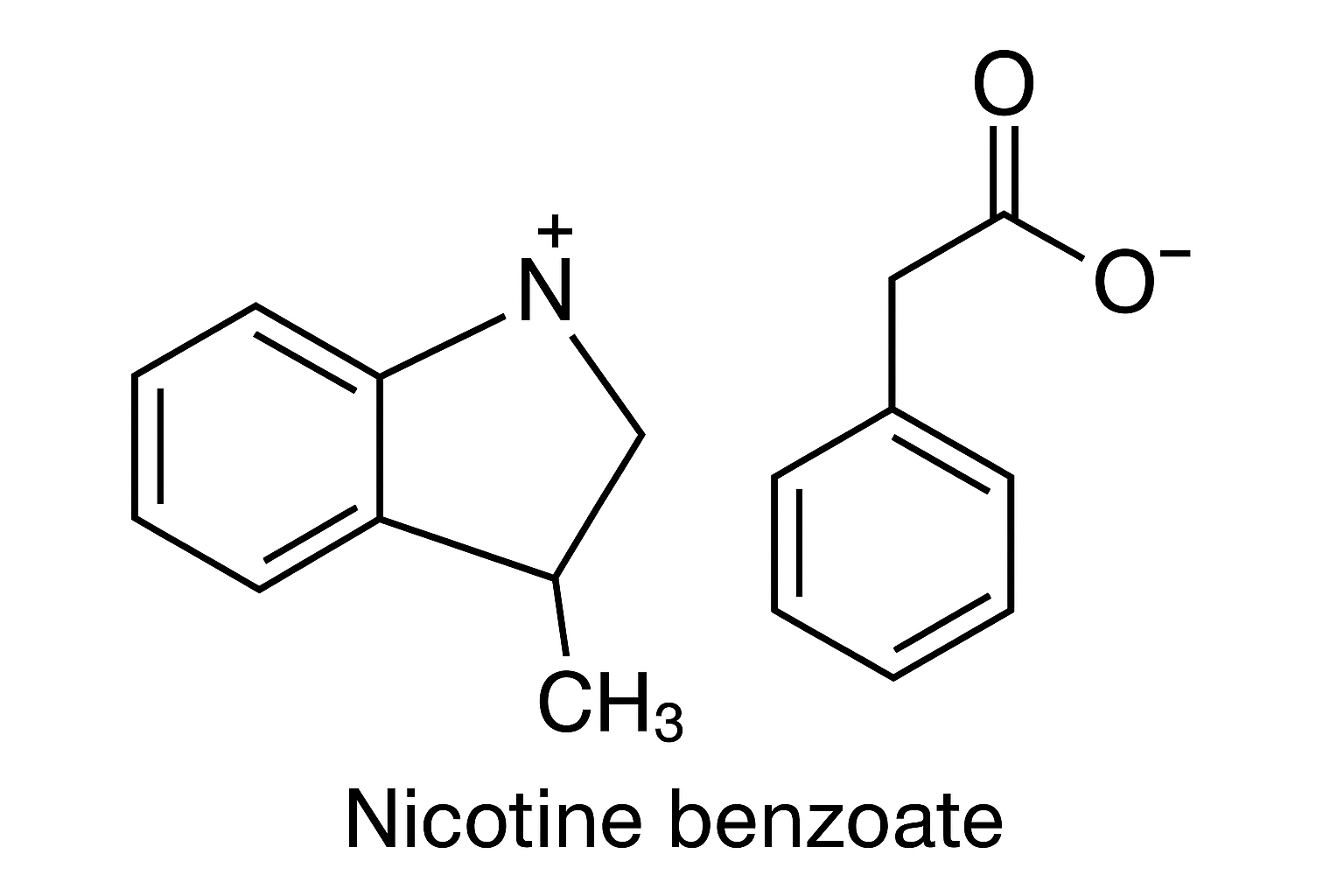
For use in e-liquids, manufacturers modify the chemical structure of the standard nicotine (called freebase nicotine) by adding an organic acid—commonly benzoic acid. This chemical reaction creates the nicotine salt.
The nicotine found in traditional nicotine is also extracted from tobacco and the chemically purified, it is called nicotine base or freebase.
The crucial difference lies in the chemistry:
Feature
Freebase Nicotine (Traditional E-liquid)
Nicotine Salts (Nic Salt E-liquid)
Chemical Form
Pure Nicotine
Nicotine bound to an acid (e.g., Benzoate)
pH Level
Higher, alkaline, pH=8
Lower, acidic, pH=5-6
Vapor Feel
Harsh at high concentrations
Smooth at high concentrations
Absorption
About the same
About the same
Best Used With
High-wattage, sub-ohm devices
Low-wattage, pod-style devices
The Chemical Key: Freebase vs. Protonated Nicotine
The terms freebase nicotine and protonated nicotine (which is what a nic salt is) refer to the chemical state of the nicotine molecule.
Freebase Nicotine: This is nicotine in its purest, deprotonated form. Because it has a high pH level (it’s alkaline), it becomes very harsh on the throat at high concentrations (typically above 12 mg/mL). The higher the concentration, the harsher the “throat hit.” This harshness means traditional high-nicotine e-liquids are often unpleasant.
Protonated Nicotine (Nic Salts): By adding an acid like benzoic acid, the nicotine molecule becomes protonated. This lowers the pH, making the nicotine vapor significantly smoother on the throat, even at high concentrations (up to 50 mg/mL). This smoothness is the biggest game-changer. It allows vapers to use high concentrations of nicotine without the painful throat hit.
Why E-Liquids Contain Nicotine Salts
The main reason manufacturers use nicotine salts is to deliver a higher nicotine dose in a smaller volume of vapor and with fewer puffs, resulting in a better user experience and less strain on the lungs from the substances contained in the vapor. The goal is to create an experience that is closer to that of smoking cigarettes and to deliver a satisfying amount of nicotine with fewer puffs, whereas vaping conventional e-liquids requires more puffs.
Mimics the Smoking Experience: The lower pH of nic salts leads to a easier inhalation, which is crucial for satisfying the immediate craving that ex-smokers often experience.
Reduced Vaping: Because nic salts are so effective at satisfying cravings quickly, many users find they don’t have to vape as frequently or as much to feel satisfied.
Smoother Vape: The elimination of the harsh throat hit means you can use 50 mg/mL in a small device and find it comfortable, something that would be nearly impossible with freebase nicotine.
Advantages and Disadvantages of Nicotine Salt E-Liquids
✅ Advantages
❌ Disadvantages
Extremely Smooth: Comfortably allows for higher nicotine strengths.
Misleading Smoothness: The lack of a harsh throat hit can mask the high nicotine concentration, potentially leading to overconsumption.
Less frequent vaping: you can obtain a satisfying amount of nicotine in a few puffs, no more need to vape constantly
Requires specific device : Requires low-wattage devices (like pod systems) because high-wattage devices would deliver an overwhelming amount of nicotine.
Better Flavor:The lower pH of nic salts often allows e-liquid flavors to be purer and less distorted by the taste of the alkaline freebase nicotine.
Higher Cost: Nic salt e-liquids are sometimes more expensive than traditional e-liquids.
Less E-liquid Consumption: Due to the higher strength, you use less e-liquid over time, and you expose your lung to a smaller amount of vapor.
You also produce less vapor and disturb other people less.
Nicotine Tolerance: Some users may develop nicotine tolerance more quickly due to the higher concentration in the e-liquid.
Who Should Use Them and Who Should Not?
👍 You Should Consider Nicotine Salts If:
You are a smoker who is new to vaping: and you want a easier, smoother inhalation, while still obtaining a satisfying amout of nicotine.
You’re a Heavy Smoker looking for an alternative. Nic salts can provide the high nicotine strength and quick satisfaction you need to make the switch successful.
You Want a Stealthier, Smaller Device. Nic salts work best in compact, low-power pod systems, which are discreet and easy to carry.
You Dislike the Harshness of freebase e-liquids at higher strengths.
You have a lung or throat disease like COPD or emphysema, you nevertheless want to vape but you want to inhale as little vapor as possible.
👎 You Should Not Use Nicotine Salts If:
You Are a Casual or Light Smoker/Vaper already using 6 mg/mL or less. Nic salts may deliver too much nicotine for your needs.
You Use High-Wattage Devices (Sub-Ohm tanks). Nic salt concentrations are too high for powerful devices and can lead to immediate nausea or nicotine sickness.
You Are Trying to Taper Down Your Nicotine Intake. Starting on a high dose of nic salts may make it harder to reduce your dependency later.
Risks and Precautions for Use ⚠️
The main risk associated with nic salts comes from their effectiveness.
Risk of Nicotine Overconsumption: The primary precaution is to be mindful of the high concentration. Because they are so smooth, it’s easy to inhale significantly more nicotine than you are used to without feeling the warning signs of a harsh throat hit. Pay attention to how you feel.
Symptoms of excessive nicotine intake include dizziness, nausea, headaches, and sweating. If you feel this, stop vaping immediately.
Device Compatibility: avoid using high-strength nic salt e-liquids (20 mg/mL and above) in large, high-power vaping mods or sub-ohm tanks. They are designed exclusively for low-wattage Mouth-to-Lung (MTL) devices, where the vapor production is limited.
If you’re looking for a powerful tool to transition away from smoking, nicotine salts offer a highly effective and satisfying path. Just remember to respect their potency and use them in the appropriate device.
Rate this article by clicking on the desired number of stars: (1 votes, average: 4.00 out of 5)
Please use the “Comments” field below to share your experience or suggest improvements to this article.
Here is what you need to know about cigars: their nicotine content, the amount of nicotine absorbed by cigar smokers compared to cigarette smokers, the toxicity and addictiveness of cigars compared to cigarettes, a comparison between the smoking behaviour of cigar smokers and cigarette smokers, and finally, whether cigars help people quit smoking cigarettes or reduce the number of cigarettes smoked per day
Nicotine Content and Absorption
High Nicotine Content:
A single large cigar can contain as much nicotine as a whole pack of cigarettes (20 cigarettes). This can range from 100 to 200 milligrams (mg) of nicotine, with some larger cigars exceeding 500 mg.
In contrast, an average cigarette contains about 10-12 mg of nicotine.
Absorption in Cigar Smokers:
Even if cigar smokers usually don’t inhale cigar smoke as deeply into their lungs as cigarette smokers, some nicotine is inhaled and some is absorbed through the lining of the mouth. This means cigar smokers still get significant amounts of nicotine into their bloodstream, leading to addiction.
For those who do inhale cigar smoke (especially people who switch from cigarettes or smoke smaller cigars), the nicotine absorption is even higher, similar to cigarette smokers.
Toxicity and Addictiveness Compared to Cigarettes
While the method of use differs, cigars are toxic and addictive, though the pattern of risk can vary.
Toxicity:
Like cigarettes, cigar smoke contains toxic and cancer-causing chemicals (carcinogens). These include carbon monoxide, hydrogen cyanide, ammonia, and cancer-causing nitrosamines.
Oral Risks: Because the smoke is held in the mouth, cigar smoking significantly increases the risk of oral cancers (mouth, throat, larynx, esophagus), gum disease, and tooth loss.
Lung Risks: While cigar smokers may inhale less deeply, many do inhale, especially those previously used to cigarettes. This leads to increased risks of lung cancer, emphysema, and chronic bronchitis.
Heart Disease: The carbon monoxide and nicotine in cigar smoke also increase the risk of heart disease and stroke, just like with cigarettes.
Secondhand Smoke: Cigar smoke contributes to secondhand smoke, exposing non-smokers to harmful chemicals.
Addictiveness:
Highly Addictive: The high nicotine content in cigars makes them addictive. Even if you don’t inhale, the nicotine absorbed through the mouth is enough to establish and maintain dependence.
There are typical differences in how people smoke cigars compared to cigarettes, though these aren’t universal.
Cigarette Smokers: Tend to smoke many cigarettes throughout the day, often inhaling deeply and frequently. The goal is rapid nicotine delivery.
Cigar Smokers:
Less Frequent: Many cigar smokers may smoke fewer cigars per day or week compared to a cigarette smoker’s daily cigarette count.
“Puffing” vs. Inhaling: Traditionally, cigar smokers tend to “puff” on the cigar and hold the smoke in their mouth, rather than inhaling into the lungs. However, this is not always the case, especially with smaller cigars or among former cigarette smokers.
Longer Smoking Time: A single cigar can take 30 minutes to over an hour to smoke.
Can Cigars Help You Quit Cigarettes?
There is no evidence that cigars may help you quit smoking cigarettes or reduce your overall tobacco use.
Maintaining Nicotine Addiction: Switching to cigars simply means you are replacing one form of nicotine and tobacco addiction with another. You are still exposing yourself to harmful chemicals and maintaining your dependence on nicotine.
Dual use: Many people who try to switch to cigars end up becoming ‘dual users’, meaning they smoke both cigarettes and cigars. However, they absorb about the same amount of nicotine as when they smoked only cigarettes, and the health risks are roughly the same as those associated with smoking cigarettes exclusively.
No Approved Cessation Aid: Health authorities and medical professionals do not recommend cigars as a method for quitting smoking.
Rate this article by clicking on the desired number of stars: (No Ratings Yet)
Please use the “Comments” field below to share your experience or suggest improvements to this article.
Snus (pronounced “snoos”) is a type of smokeless tobacco that has received attention as a potential alternative to cigarettes, particularly in Scandinavian countries. Here is what to know about its effects, its toxicity compared with cigarettes, and whether it can help you quit smoking
What is Snus?
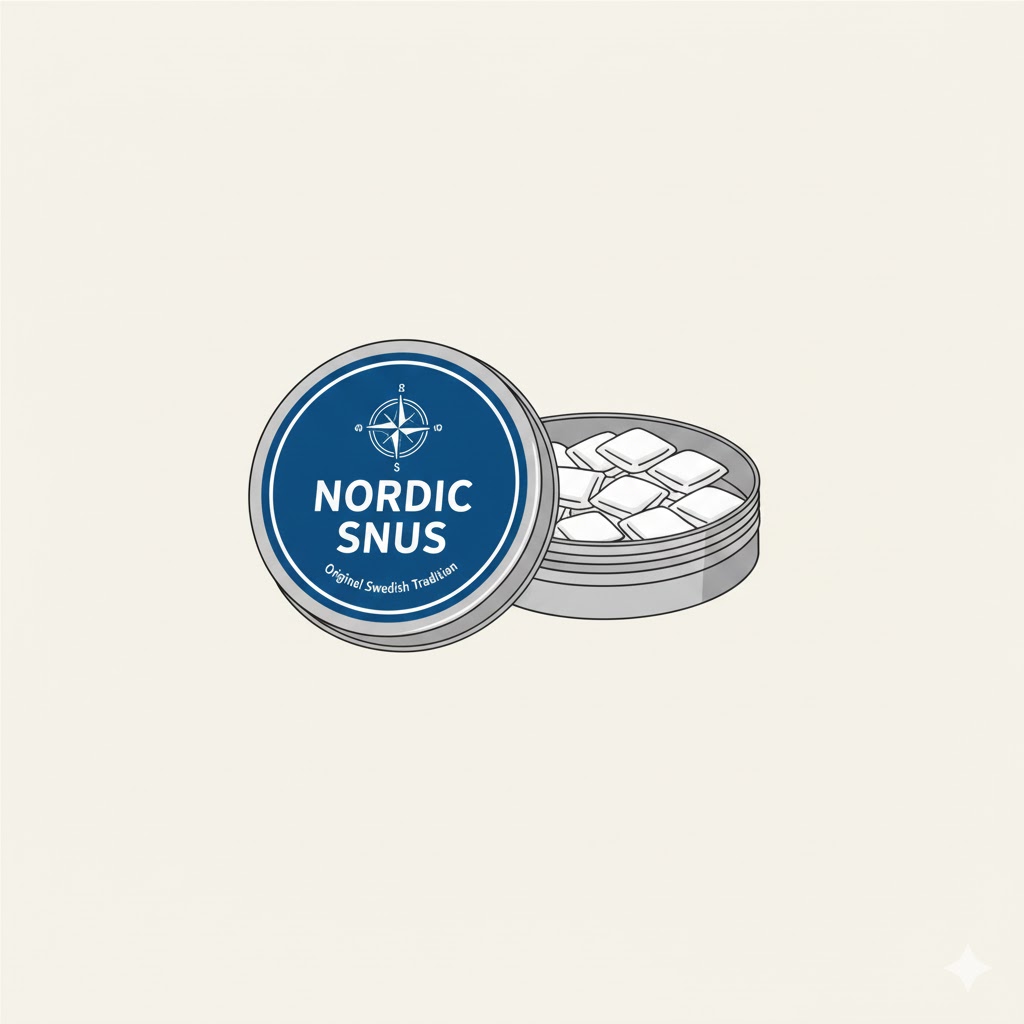
Snus is a moist, powdered, or finely ground smokeless tobacco product that originated in Sweden.
How it’s Made: Snus is unique because, unlike most American smokeless tobacco products, it is pasteurized (heat-treated) rather than fermented. This process is believed to reduce the levels of certain cancer-causing chemicals (Tobacco-Specific Nitrosamines or TSNAs) compared to other types of moist snuff.
What it Contains: Snus contains tobacco, water, salt, an alkalizer (to help nicotine absorption), and flavorings.
White Snus: Recently, “white snus” or nicotine pouches (like VELO or ZYN) have become popular, but these do not contain tobacco—only nicotine extracted from tobacco or synthetic nicotine, which is a key difference from traditional snus.
How to Use It and Dosage
Snus is simple to use and does not require spitting, making it a discreet product.
How to Use: Snus comes in two forms:
Portion Snus: Small, pre-packaged pouches (resembling tiny tea bags) that are the most common form.Loose Snus: Moist, powdered tobacco that the user pinches and forms into a ball or cylinder.
The user places the pouch or pinch of snus under their upper lip (between the lip and gum) and leaves it there for 30 minutes to two hours. The nicotine is absorbed slowly through the lining of the mouth (oral mucosa) into the bloodstream.
Dosage: The nicotine content in snus is highly variable:
Nicotine Content: Snus pouches typically contain between 3 mg and 20 mg of nicotine per pouch. “Stark” (Strong) and “Extra Stark” varieties contain the highest amounts.
Absorption: While a cigarette contains 10–12 mg of nicotine (with only 1–2 mg absorbed), snus delivers nicotine more slowly and steadily over a longer period, and a pouch also delivers about 2 mg of nicotine.
Snus vs. Cigarettes: Toxicity
This is where the distinction between snus and traditional cigarettes is most significant. Health experts generally agree that Swedish snus is substantially less harmful than smoking cigarettes because it eliminates the most dangerous component: inhaling smoke. However, it is not harmless, it is still a nicotine and tobacco product that is addictive, although much less addictive than cigarettes, and carries health risks, especially some cancers and harm to gum tissue.15
Does Snus Help You Quit Smoking?
Formal medical bodies do not endorse snus as a recommended cessation method.
Experimental evidence: xxx
Observational Evidence (Scandinavian Data): Studies from Sweden and Norway show a high rate of snus use among men who have successfully quit smoking. This suggests that, in a real-world setting, many smokers have successfully switched from cigarettes to snus.
Reduction in Cigarettes: Some studies suggest that snus use may help users reduce the number of cigarettes they smoke daily.
Official Stance: Most public health organizations, including the U.S. FDA, recommend medically approved Nicotine Replacement Therapies (NRT) (like gum, patches, lozenges) because they offer nicotine without tobacco and have been rigorously studied and proven safe and effective for cessation.19 Snus is not one of these approved methods.
Snus and Young People (Initiation)
The use of any nicotine product by young people who have never smoked is a concern, but it better for them to use snus than to smoke.
Risk of Nicotine Dependence: Snus, having a high and rapidly absorbed nicotine content, is addictive, although less addictive than cigarettes.
Gateway Theory: young people who try snus may / may not xxx start smoking cigarettes later (a “gateway” effect).22
Read our articles on approved Nicotine Replacement Therapies (patches, gum, lozenges, etc.) to see which one might be right for you.
Please rate this article by clicking on the desired number of stars: (1 votes, average: 5.00 out of 5)
Please use the Comments field below to share your experience and to suggest improvments to this article.
Most smokers know nicotine is what keeps them smoking. Fewer know how much nicotine is in a cigarette, how much actually reaches the brain, or why cigarettes deliver it so effectively. Understanding this makes it easier to choose the right support when you quit.
How much nicotine is in a cigarette?
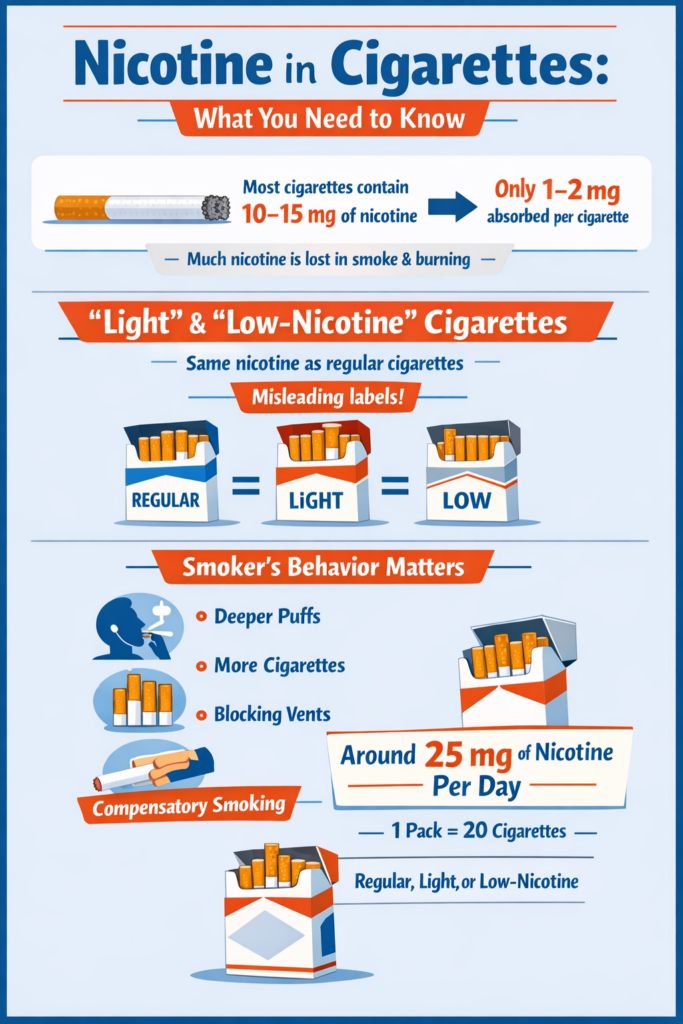
Most commercial cigarettes contain about 10 to 15 mg of nicotine in the tobacco. You don’t absorb all of that. Much of it is destroyed by burning, left in the butt, or lost in the smoke that drifts away between puffs. A typical smoker absorbs about 1 to 2 mg per cigarette. That may sound small, but it is enough to create and maintain nicotine addiction.
Why cigarettes are so addictive
Speed of delivery is the key factor. Inhaled nicotine reaches the brain within about 10 seconds, triggering a release of dopamine that feels rewarding or calming. Nicotine then clears from the body fairly quickly, and levels fall by half within about 90 minutes, and withdrawal symptoms such as irritability, cravings and poor concentration begin to build. The next cigarette relieves them, and the cycle repeats. Over time the brain adapts and comes to expect regular doses.
Manufacturers have also designed cigarettes to make nicotine delivery fast and reliable, through tobacco blending, chemical additives that make the smoke easier to inhale, and by spraying nicotine on tobacco during manufacture.
“Light” and “low-nicotine” cigarettes
Cigarettes once sold as “light”, “mild” or “low nicotine” (labels now banned in many countries) contain about as much nicotine in the tobacco as regular ones. They produce lower nicotine yields on testing machines because tiny ventilation holes near the filter dilute the smoke, but real smokers don’t smoke like machines. Because the brain wants its usual dose, people tend to compensate by:
taking deeper or longer puffs,
smoking more cigarettes, and
covering the vent holes with their fingers or lips.
The result is a roughly similar dose of nicotine and the same toxic smoke for regular and “light” cigarettes”.
Genuinely very-low-nicotine cigarettes (VLNC), which contain almost no nicotine in the tobacco, are different. In research trials they have reduced dependence and the number of cigarettes smoked, which is why some governments are considering limits on nicotine content, but this policy is controversial, because some experts think that people will not use VLNC in the long term. They are not widely available, and they are not a safe cigarette either, since the smoke is still harmful.
Nicotine is addictive, but smoke is what does most of the damage
Nicotine isn’t harmless. It is addictive, it temporarily raises heart rate and blood pressure, and it should be avoided in pregnancy unless a doctor advises otherwise. But the cancers, lung diseases and heart diseases caused by smoking comes from burning tobacco: tar, carbon monoxide and thousands of other chemicals. This is why delivering nicotine without smoke is much safer than smoking, and why it can help you stop smoking.
What can help you quit smoking?
Nicotine replacement therapy (NRT) in the form of patches, gum, lozenges, tablets, inhalers or sprays gives you nicotine at a slower, steadier rate than a cigarette, without the smoke. This relieves cravings and withdrawal while you break the habit. Because nicotine is absorbed gradually rather than hitting the brain within seconds, NRT has a much lower potential for dependence than cigarettes, though a small number of people do continue using nicotine gums for longer than planned. Nobody is addicted to the nicotine patch, because of its very slow nicotine delivery.
Combination NRT works better. Using a patch for steady background nicotine plus a fast-acting form (gum, lozenge or spray) for sudden cravings improves the chances of quitting compared with a single product.
Dose matters. Heavier smokers (for example those who smoke 10 or more cigarettes a day, or light up within 30 minutes of waking) usually need a higher-strength patch or gum. Too little nicotine is a common reason for relapse. A pharmacist or doctor can help you choose the best product and the right dosage.
Prescription medicines such as varenicline and cytisine / cytisinicline reduce cravings and the reward from smoking, and in studies they are among the most effective options. Bupropion is another choice. Availability varies by country.
Nicotine e-cigarettes have helped many people stop smoking, and recent reviews suggest they can be more effective than NRT and as affective as varenicline. They are much less harmful than cigarettes, but not risk-free, and long-term effects are still being studied. They are intended for smokers who want to quit, not for non-smokers. Nicotine pouches have been studied less, and rules on their sale differ between countries.
Support increases success.Counselling, quitline calls and peer groups help with the habits, routines and emotions linked to smoking, and work well alongside medication.
Find out how much nicotine you need
Take our quiz to estimate how much nicotine you inhale (or inhaled) as a smoker, and what dosage of nicotine suits you best.
What to expect after quitting
Withdrawal symptoms usually peak within the first weeks and then ease. These include cravings, irritability, trouble sleeping, difficulty concentrating and increased appetite and weight gain. These symptoms are attenuated by nicotine medications. Cravings come in waves that pass, even if you do nothing. Slips happen and are not failure. Many people need more than one attempt, and each attempt teaches you something.
It is essential to choose the right nicotine concentration for your e-liquid: here is a brief explanation of how to do this. We have also developed a brief questionnaire to help you choose the nicotine concentration you need.
What nicotine strength for my e-cigarette?
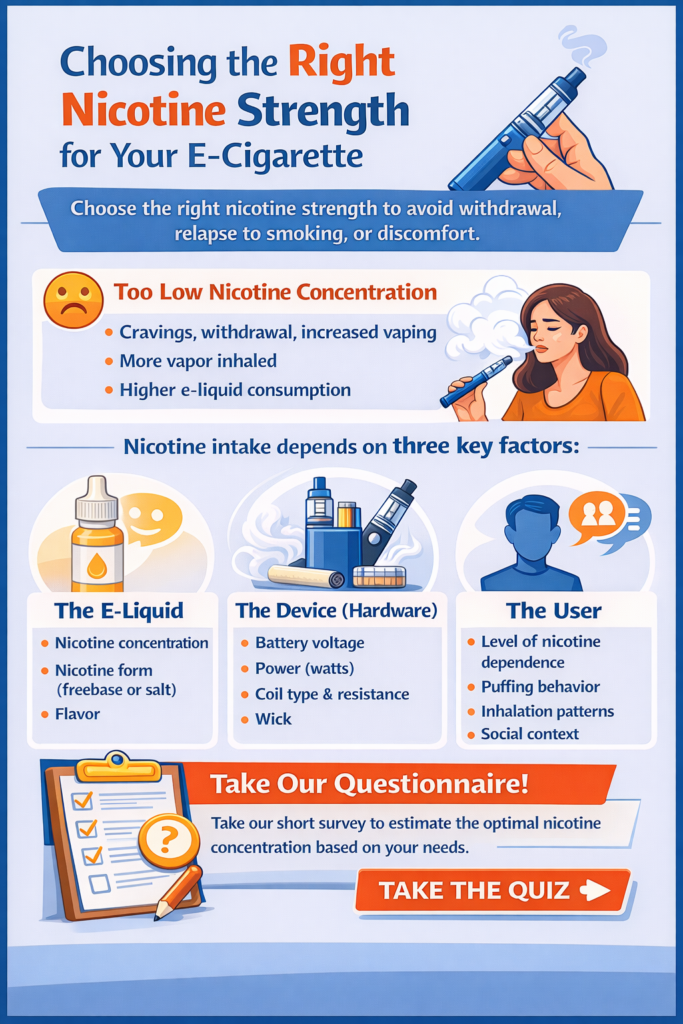
If the nicotine level in your e-liquid is too low, you may not get enough nicotine, you may experience nicotine withdrawal symptoms and you may start smoking again. In addition, you will expose your lungs to excessive amounts of vapour, as you will vape more to achieve a satisfactory level of nicotine in your blood and brain. You will also need to buy more e-liquid to get the amount of nicotine your brain needs.
With too high a nicotine level, you will experience throat irritation that will prevent you from inhaling, but there is no risk of overdose, as you will automatically stop inhaling when you have obtained the necessary dose of nicotine or when you feel signs of excessive dosing.
The amount of nicotine you get from an e-cigarette:
There is no simple calculation to convert the number of cigarettes you smoked per day into mg/mL (milligrams of nicotine per millilitre of e-liquid), because the amount of nicotine you get from your e-cigarette depends on the interaction of 3 factors, the liquid, the hardware and yourself :
The liquid:
its nicotine concentration,
the chemical form of nicotine (salt or freebase),
the flavor (people tend to vape more if they like the flavor),
the amount of liquid you use per day,
The hardware:
the battery, its tension measured in Volt (V), its duration,
the coil, its composition, its resistance (R) measured in Ohm,
the power of the device measured in Watt (W)
the wick.
Yourself:
your level of nicotine addiction, as your brain acts as a thermostat and regulates the amount of nicotine you need,
your behavior: the number, frequency and volume of puffs, the depth of inhalation, how long you hold your breath between inhalation and exhalation,
your social interactions (people tend to vape more if they are around other smokers and vapers than if they are around people who disapprove of their vaping).
A questionnaire to calculate the amount of nicotine you need:
You can use our short questionnaire to help you calculate the optimal nicotine concentration for your e-liquid, this concentration will be determined by the number of point you obtain. Vapers who successfully quit smoking and answered our questionnaire and obtained :
0-4 points used e-liquids containing 10 mg / mL
5-9 points used e-liquids containing 10-12 mg / mL
10-14 points used e-liquids containing 12 mg / mL
15-19 points used e-liquids containing 16 mg / mL
20-25 points used e-liquids containing 18 mg / mL
The amount of nicotine you get from smoking a cigarette:
The amount of nicotine you absorb when smoking a cigarette depends largely on your own behaviour, not just on the characteristics of the cigarette itself. Each manufactured cigarette contains between 6 and 17 milligrams (mg) of nicotine, but smokers only inhale between 1 and 2 mg of nicotine per cigarette. The number of nicotine mg indicated on cigarette packets is not useful, as it is obtained from machines that do not perfectly replicate your own behaviour. As a result, these figures often underestimate the amount you absorb when smoking a cigarette.
Furthermore, the relationship between the number of cigarettes smoked per day and the concentration of nicotine in the blood is not linear (it does not increase significantly beyond 20 cigarettes per day).Therefore, you cannot use your number of cigarettes per day and the nicotine concentration indicated on your cigarette pack to calculate or deduce the amount of nicotine you absorb each day with your e-cigarette.
Rate this article by clicking on the desired number of stars: (1 votes, average: 5.00 out of 5)
Please use the “Comments” field below to share your experience or suggest improvements to this article.
For decades, aids to quit smoking were,limited: counseling, and approved medications like nicotine replacement therapy (NRT). The arrival of e-cigarettes—or vaping—has radically complicated that equation, offering smokers a potentially more effective, yet controversial, tool in their cessation journey. The core debate centers on one critical point: are these devices a vital bridge to a smoke-free life, or are they a Trojan horse that risks creating a new generation of nicotine users?
Efficacy: Vaping vs. Nicotine Medications
The effectiveness of e-cigarettes for smoking cessation has become the subject of intense international research. The most rigorous systematic reviews, which pool data from multiple randomized controlled trials, now provide strong evidence that nicotine e-cigarettes are more effective than traditional NRT (such as patches, gum, or lozenges) at helping people quit smoking entirely.
In absolute terms, research suggests that for every 100 people using nicotine e-cigarettes to quit, 8 to 11 people might successfully stop smoking. This superiority is believed to stem from e-cigarettes’ ability to mimic the hand-to-mouth ritual, the throat hit, and the fast nicotine delivery that smokers are accustomed to, addressing both the chemical and behavioral aspects of addiction simultaneously.
Who Should and Should Not Use E-Cigarettes
E-cigarettes are not a universally recommended :
Who Should Consider Them: E-cigarettes are primarily recommended for adult smokers who want to stop smoking. For this group, switching completely to vaping nicotine is recognized by many health bodies as significantly less harmful than continuing to smoke combustible cigarettes, as it eliminates tar and carbon monoxide.
Who Should Not Use Them: The consensus among public health experts is clear: non-smokers, especially young people and never-users of tobacco, should not use e-cigarettes. Nicotine is addictive. Furthermore, pregnant women should rely on licensed NRT products under medical supervision as the primary medication path, although some health guidance suggests vaping is still safer than continuing to smoke during pregnancy.
The Most Effective Vaping Devices
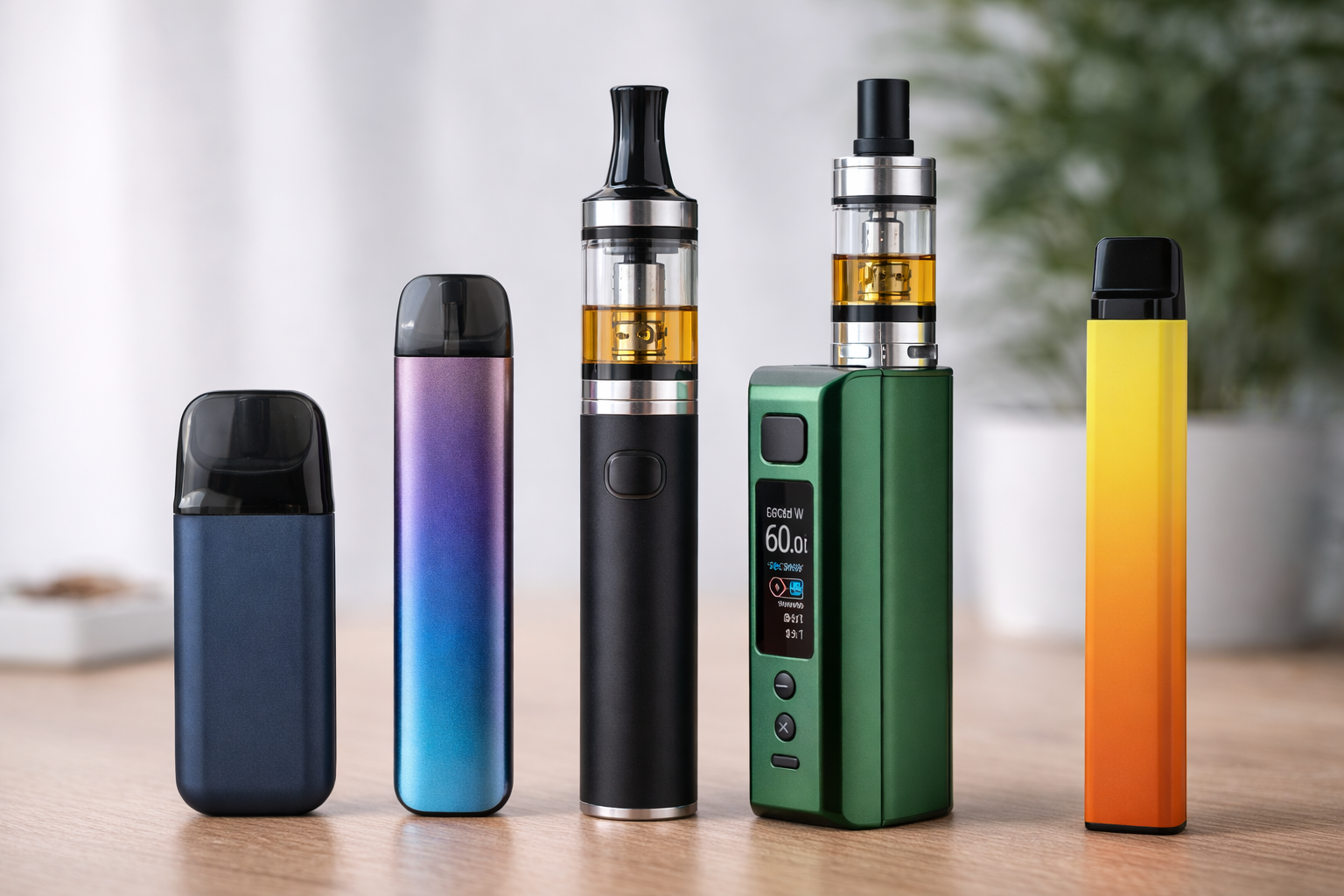
The efficacy of e-cigarettes depends heavily on the device type. Smokers who use rechargeable systems with higher nicotine concentrations—often pod devices or tank systems—tend to have greater success in quitting. These devices deliver nicotine more effectively and mimic the rapid “nicotine hit” of a traditional cigarette better than other models. The goal is to provide a satisfying nicotine dose that fully suppresses the cravings for tobacco smoke.
Adverse Effects: What is the Real Risk?
While vaping is widely considered less harmful than smoking because it eliminates combustion and its resulting toxins (tar, carbon monoxide), it is not harmless. The aerosol contains a variety of potentially toxic substances, although in concentrations much lower than in tobacco smoke.
The most commonly reported adverse effects are non-serious, such as throat or mouth irritation, cough, nausea, and headache, which often diminish over time. However, the long-term effects of inhaling heated e-cigarette aerosols and flavorings remain under intense study.
The Absolute Rule: Not One Puff
The crucial step for any smoker attempting to quit with e-cigarettes is total and immediate cessation of combustible tobacco. Using both e-cigarettes and regular cigarettes, known as dual use, is counterproductive as it increases the risk of relapsing to smoking. Smoking even a few tobacco cigarettes a day can still carry substantial health risks. E-cigarettes should be used as a complete, 100% substitute for all smoked tobacco products. Failure to adhere to a zero-tolerance policy for tobacco smoke significantly diminishes your chances of quitting smoking.
The Controversy: A Public Health Paradox
The role of e-cigarettes in public health is fiercely debated. Proponents view them as a game-changing harm reduction tool that saves millions of lives by moving people away from deadly smoke. They point to countries that have embraced vaping and seen rapid declines in smoking rates.
Critics, however, raise serious public health concerns:
Youth Uptake: The appealing flavors and sleek designs of many e-cigarettes have led to alarming rates of use among adolescents who had never smoked.
Gateway Effect: There are still concerns that vaping could act as a gateway and increase the likelihood that non-smokers will switch to traditional cigarettes later in life. However, this point is controversial, and not all experts agree that there is a significant gateway effect. They point to the declining prevalence of smoking among young people in countries where vaping among young people is on the rise.
Permanent Dependency: There is worry that many successful quitters may remain dependent on the e-cigarette indefinitely, which, while safer than smoking, is not risk-free.
E-cigarettes present policymakers and individuals with a difficult trade-off: they must weigh the proven health risks of smoking against the uncertain risks of long-term nicotine vaping. For current smokers, however, the emerging scientific consensus offers a pragmatic choice: switching completely to a non-combustible product is far healthier than smoking.
Use the ‘Comments’ field below to share your experience with e-cigarettes or to suggest improvements to this page.
Rate this article by clicking on the desired number of stars: (1 votes, average: 5.00 out of 5)