Help to stop smoking

Category: Health

  • Diabetes and smoking

    Diabetes and smoking

    Smoking increases the risk of developing type 2 diabetes. For people who already have diabetes, smoking makes the condition harder to manage and increases the risk of serious complications. However, quitting smoking can make a real difference to both the prevention and management of the disease.

    Does smoking increase the risk of diabetes?

    Yes, research has established that cigarette smoking increases the risk of developing type 2 diabetes. People who smoke are approximately 30–40% more likely to develop the disease than non-smokers. The risk also increases with the number of cigarettes smoked. Even passive smoking is associated with an increased risk of type 2 diabetes.

    The main reason is the chemicals in cigarette smoke, which interferes with the way the body uses insulin. Insulin is a hormone produced by the pancreas that allows glucose (sugar) to move from the blood into the body’s cells, where it is used for energy. When cells become less responsive to insulin, a condition known as insulin resistance develops. Blood sugar levels rise, and the pancreas has to work harder to produce enough insulin.

    The chemicals in cigarette smoke cause inflammation and damage to cells, interfering with the body’s ability to regulate blood sugar. Smoking is also associated with increased abdominal fat, another risk factor for type 2 diabetes.

    The link is not limited to heavy smokers. Even people who smoke relatively few cigarettes have an increased risk.

    Why is smoking particularly dangerous for people who have diabetes?

    Having diabetes already increases the risk of cardiovascular disease, kidney problems, nerve damage and vision loss. Smoking adds to these risks, making the combination particularly harmful.

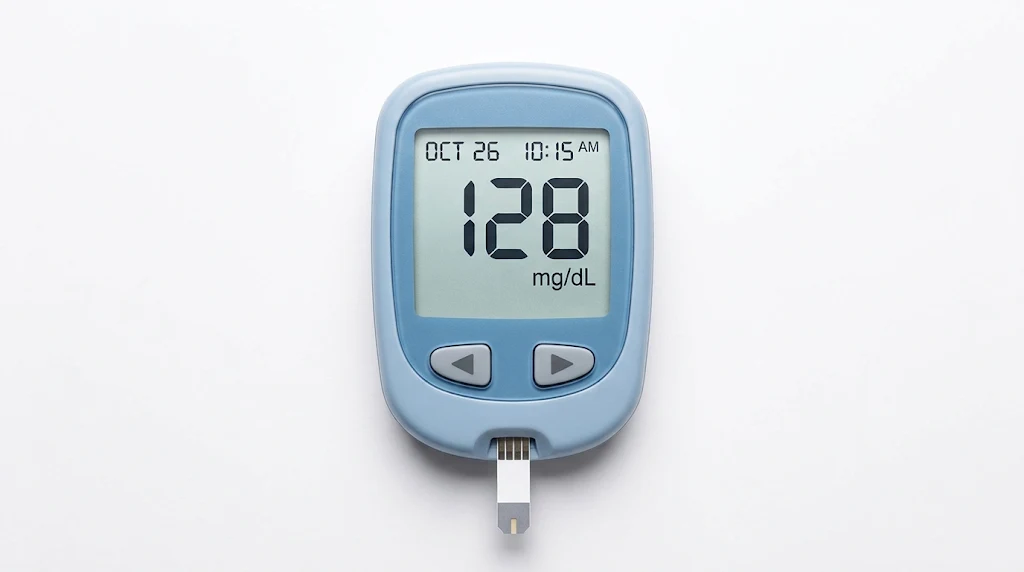
    One important problem is blood sugar control. The chemicals in cigarette smoke raise blood sugar and make the body less sensitive to insulin. As a result, smokers with diabetes may need more insulin or other medication to keep their glucose levels under control.

    Smoking also damages blood vessels and reduces circulation. This is especially concerning in people with diabetes, who are already more vulnerable to damage to their arteries and small blood vessels.

    The combination of diabetes and smoking substantially increases the risk of heart attack and stroke. It also increases the likelihood of kidney disease and damage to the blood vessels in the eyes, which can eventually lead to blindness.

    Poor circulation is particularly dangerous in the legs and feet. People with diabetes may already have reduced sensation because of nerve damage. When smoking further reduces blood flow, even a small wound or blister can become difficult to heal. Infections and foot ulcers may develop, sometimes leading to amputation.

    Smoking can also worsen diabetic neuropathy, a condition involving damage to the nerves that can cause pain, tingling and numbness, particularly in the feet and legs.

    In short, smoking makes an already serious disease considerably more dangerous.

    What happens when someone with diabetes quits smoking?

    Quitting smoking is one of the most important steps a person with diabetes can take to protect their health. The benefits begin soon after the last cigarette, even in people who have smoked for many years.

    When exposure to smoke stops, the body gradually becomes more responsive to insulin. Blood sugar levels may become easier to control, and some people find that their diabetes medication requirements change.

    Research has found that insulin can become more effective within approximately eight weeks of quitting smoking. Over time, stopping smoking also reduces the additional cardiovascular and vascular risks associated with tobacco use.

    Better circulation can help protect the feet and legs, while reducing the risk of heart disease, stroke and further damage to the kidneys and eyes.

    There is one important point to bear in mind. Some people gain weight after quitting smoking, which can temporarily affect blood sugar levels. The risk of developing type 2 diabetes may also remain elevated for a period after cessation, partly because of weight gain. However, research shows that this risk decreases with time since quitting. The long-term health benefits of stopping smoking are substantial.

    People with diabetes who quit should monitor their blood sugar regularly, particularly during the first weeks and months. Their doctor may need to review their medication or adjust their treatment as their glucose levels change.

    Quitting does not cure diabetes or reverse existing organ damage, but it can make the disease easier to manage and reduce the risk of further complications.


    Please use the Comments field below to share your experience or to suggest improvements to this article.


    Rate this article by clicking on the desired number of stars:
    (No Ratings Yet)


    References

    1. Centers for Disease Control and Prevention (CDC). Diabetes and Smoking. Read more.
    2. US Food and Drug Administration (FDA). How Smoking Can Increase Risk for and Affect Diabetes. Read more.
    3. Pan A, Wang Y, Talaei M, Hu FB, Wu T. Relation of active, passive, and quitting smoking with incident type 2 diabetes: a systematic review and meta-analysis. Lancet Diabetes Endocrinol. 2015 Dec;3(12):958-67. https://doi.org/10.1016/s2213-8587(15)00316-2


  • Smoking and Female Sexual Function

    Smoking and Female Sexual Function

    Smoking also affects sexual function. For women, smoking may affect sexual desire, arousal, vaginal lubrication and the ability to reach orgasm. These effects are not always recognised, yet they can have a significant impact on intimate relationships and quality of life.

    How does smoking affect female sexual function?

    Sexual arousal depends partly on good blood circulation. When a woman becomes sexually aroused, blood flow to the clitoris and surrounding genital tissues increases. This contributes to genital sensitivity, swelling and vaginal lubrication.

    Nicotine causes blood vessels to narrow, while the many toxic substances in cigarette smoke damage the blood vessels and interfere with normal circulation. Smoking may therefore reduce blood flow to the genital area, making physical arousal more difficult.

    Some women who smoke experience reduced genital sensitivity, difficulties becoming aroused or insufficient vaginal lubrication. This can make sexual intercourse uncomfortable and less enjoyable.

    Smoking may also affect sexual desire. Although the relationship between smoking and libido is complex, nicotine dependence, changes in mood, hormonal effects and smoking-related health problems may all contribute to a reduced interest in sex.

    Orgasm can also be affected. Because sexual response depends on the interaction between blood circulation, nerve function and genital sensitivity, smoking may make it more difficult for some women to reach orgasm or experience the same level of sexual pleasure.

    Not every woman who smokes will experience these problems, and sexual difficulties can have many other causes.

    What does scientific research show?

    Studies have found an association between smoking and female sexual dysfunction. A systematic review and meta-analysis published in 2022, involving more than 15,000 women, found that female smokers had approximately 48% higher odds of sexual dysfunction than non-smokers.

    Other research has suggested that the risk may increase with the amount and duration of smoking.

    Although these findings do not prove that smoking is directly responsible for every sexual difficulty, they provide further evidence that tobacco use can affect women’s sexual health.

    Can quitting smoking improve female sexual function?

    Quitting smoking may help improve sexual function by allowing blood circulation and cardiovascular health to recover.

    Encouragingly, a prospective study examined sexual function in premenopausal women who stopped smoking. After nine months of smoking cessation, the researchers found significant improvements in sexual function: the proportion of women classified as having sexual dysfunction fell from 86% to 35%.

    Improvements are not guaranteed, however. Sexual function is influenced by many factors, including age, hormonal changes, menopause, stress, relationship difficulties and certain medications. Some women may notice changes after quitting, while others may not experience a significant difference.

    Smoking, hormones, menopause and fertility

    Smoking can also affect female reproductive health. Research suggests that women who smoke tend to reach menopause earlier than non-smokers, sometimes by several years.

    Smoking is also associated with reduced fertility and other reproductive health problems. Stopping smoking is therefore particularly important for women who are planning a pregnancy or wish to protect their long-term reproductive health.

    This matters because declining oestrogen levels during menopause can lead to vaginal dryness, reduced vaginal elasticity and discomfort during sexual intercourse. These changes may affect sexual desire and satisfaction.

    Speak to your doctor

    If you continue to experience vaginal dryness, pain during sex, reduced sexual desire or difficulties with arousal or orgasm, speak to a healthcare professional. These problems are common and often treatable.


    Please use the Comments field below to share your experience or to suggest improvements to this article.


    Rate this article by clicking on the desired number of stars:
    (No Ratings Yet)


    References

    1. Salari N, Hasheminezhad R, Abdolmaleki A, Kiaei A, Shohaimi S, Akbari H, Nankali A, Mohammadi M. The effects of smoking on female sexual dysfunction: a systematic review and meta-analysis. Arch Womens Ment Health. 2022 Dec;25(6):1021-1027. https://doi.org/10.1007/s00737-022-01281-1.
    2. Harte CB, Meston CM. The inhibitory effects of nicotine on physiological sexual arousal in nonsmoking women: results from a randomized, double-blind, placebo-controlled, cross-over trial. J Sex Med. 2008 May;5(5):1184-1197. https://doi.org/10.1111/j.1743-6109.2008.00778.x
    3. Celikhisar H, Dasdemir Ilkhan G, Irer B. Effects of smoking cessation on sexual functions and health quality of life in premenopausal women: A prospective case – Controlled study. Int J Clin Pract. 2021 Mar;75(3):e13796. https://doi.org/10.1111/ijcp.13796
    4. Soheila Nazarpour, Masoumeh Simbar, Fahimeh Ramezani Tehrani, Factors affecting sexual function in menopause: A review article, Taiwanese Journal of Obstetrics and Gynecology, Volume 55, Issue 4, 2016, Pages 480-487, ISSN 1028-4559, https://doi.org/10.1016/j.tjog.2016.06.001.
    5. Raphael C. Parente, Eduardo Faerstein, Roger Keller Celeste, Guilherme L. Werneck,
    6. Raphael C. Parente, Eduardo Faerstein, Roger Keller Celeste, Guilherme L. Werneck, The relationship between smoking and age at the menopause: A systematic review, Maturitas, Volume 61, Issue 4, 2008, Pages 287-298, ISSN 0378-5122, https://doi.org/10.1016/j.maturitas.2008.09.021.

  • Erection and smoking

    Erection and smoking

    Few men make the connection between smoking and their sexual performance. Yet there is a well-established link between smoking and difficulty achieving and maintaining an erection (erectile dysfunction, ED). This is what motivates many smokers to quit smoking. Here is what scientific studies show, and what improves when you quit smoking.

    How smoking damages erections

    An erection is a vascular event. Sexual arousal triggers nerve signals that prompt the cells lining the penile arteries to release nitric oxide, a gas that relaxes smooth muscle and lets blood flood the erectile tissue. Anything that interferes with nitric oxide, or with the arteries themselves, interferes with erections.

    Tobacco smoke does both. It contains thousands of chemicals, many of which generate oxidative stress, a kind of cellular wear that damages the endothelium, the thin layer lining blood vessels. Damaged endothelium produces less nitric oxide and breaks it down faster. Over years, smoking also drives atherosclerosis, the buildup of fatty plaque that narrows arteries.

    Size matters here. The penile arteries are only a millimeter or two across, much narrower than the coronary arteries. A given amount of vascular damage can therefore show up as erectile trouble before it causes chest pain or any other symptom. Urologists and cardiologists have long noted that ED can precede heart disease by a few years, and some describe it as an early warning sign.

    Other components of smoke add to the problem. Carbon monoxide binds to hemoglobin more readily than oxygen does, reducing the oxygen the blood can deliver. Nicotine stimulates the sympathetic nervous system, which tightens blood vessels and promotes contraction of the smooth muscle that has to relax for an erection to occur. Animal studies have also found structural changes in erectile tissue after prolonged exposure to smoke, including loss of smooth muscle and increased fibrous tissue. Whether smoking meaningfully lowers testosterone in men is less settled, and the evidence there is inconsistent.

    How much higher is the risk?

    A systematic review and meta-analysis pooled data from observational studies and found that current smokers had roughly 1.5 times the risk of ED compared with men who had never smoked. Risk generally climbs with the number of cigarettes per day and the number of years smoked, a dose-response pattern that strengthens the case for a causal link rather than a coincidence.

    The effect is not confined to older men. ED is often assumed to be a problem of the 60s and 70s, but studies of younger men have found smoking to be one of the more consistent modifiable risk factors among those who develop ED in their 30s and 40s. Smoking also compounds other risks.

    What happens when you quit

    The same meta-analysis revealed that the risk among former smokers fell halfway between that of people who had never smoked and that of current smokers. Another synthesis found that population studies suggest that former smokers may not fully return to the same level of ED risk as non-smokers. However, smaller studies indicate that younger men (under 50) may have a better chance of improving erectile function after stopping smoking. Quitting early appears to offer the greatest chance of improvement. In men with severe cardiovascular disease and erectile dysfunction, however, the damage may be too advanced for quitting smoking alone to make a significant difference.

    This is consistent with what we know about vascular recovery. Endothelial function begins to improve a few weeks after the last cigarette, and carbon monoxide clears from the blood within one or two days, but some damage may be permanent. Damage that has accumulated over several decades may not fully reverse, which is one argument for quitting sooner rather than later.

    Quitting can also make ED treatment work better. Drugs such as sildenafil and tadalafil depend on the nitric oxide pathway, and men with healthier blood vessels generally respond to them better.

    A practical point

    Men with persistent erectile problems should see a doctor whether or not they smoke, because there are effective and safe treatments for ED. In addition, ED can precede or signal existing cardiovascular disease, and a medical visit is worthwhile.

    For smokers, a medical visit is also a good moment to ask about smoking cessation support. Nicotine replacement, prescription medications such as varenicline or cytisine, and counseling roughly double the odds of quitting successfully compared with going it alone.

    For many men, the prospect of regaining sexual function is a more immediate motivation than the abstract threat of cancer decades away. The research suggests it is also a realistic one.


    Please use the Comments field below to share your experience or to suggest improvements to this article.


    Rate this article by clicking on the desired number of stars:
    (No Ratings Yet)


    References:

    Cao S, Yin X, Wang Y, Zhou H, Song F, Lu Z. Smoking and risk of erectile dysfunction: systematic review of observational studies with meta-analysis. PLoS One. 2013;8(4):e60443. https://doi.org/10.1371/journal.pone.0060443

    Mark S Allen, Rita C Tostes, Cigarette smoking and erectile dysfunction: an updated review with a focus on pathophysiology, e-cigarettes, and smoking cessation, Sexual Medicine Reviews, Volume 11, Issue 1, January 2023, Pages 61–73, https://doi.org/10.1093/sxmrev/qeac007

    Kovac, J.R., Labbate, C., Ramasamy, R., Tang, D. and Lipshultz, L.I. (2015), Effects of cigarette smoking on erectile dysfunction. Andrologia, 47: 1087-1092. https://doi.org/10.1111/and.12393

  • Passive smoking

    Passive smoking

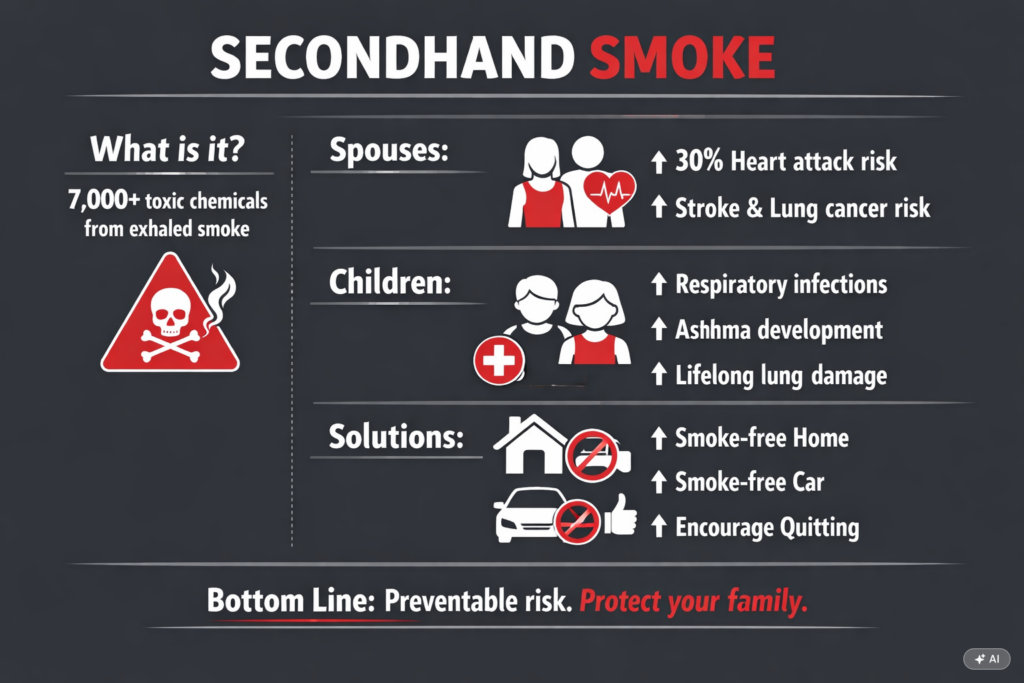
    Secondhand smoke remains one of the most underestimated health threats in modern households. Unlike the deliberate choice smokers make when lighting a cigarette, those around them—spouses, children, and guests—have no say in their exposure to toxic chemicals and carcinogens. Yet many families continue to navigate this invisible danger with little understanding of the real risks involved or how to address the problem.

    The science is clear. When a person smokes, they exhale a mixture of mainstream smoke and exhaled air, which combines with secondhand smoke to form environmental tobacco smoke, which contains more than 7,000 chemical compounds, hundreds of which are toxic and about 70 of which can cause cancer. The Environmental Protection Agency has classified secondhand smoke as a Group A carcinogen—the same category as asbestos and radon—placing it among the most dangerous substances found in homes.

    The Toll on Spouses and Partners

    Living with a smoker exposes a non-smoking spouse to the equivalent of smoking several cigarettes daily, even without ever lighting one themselves. Research consistently shows that spouses of smokers face significantly elevated risks of heart disease, stroke, and lung cancer. A study published in the journal Circulation found that non-smokers exposed to secondhand smoke at home had a 30 percent increased risk of heart attack compared to those in smoke-free homes.

    The damage occurs silently and progressively. Secondhand smoke damages the lining of blood vessels, reduces oxygen in the blood, and increases the likelihood of blood clots. Over time, these effects accumulate, creating conditions for serious cardiovascular events. Women appear particularly vulnerable, with some studies suggesting even higher risks for female non-smokers in relationships with smokers.

    Beyond the physical health impacts, many spouses report emotional strain. The constant exposure to smoke, despite requests to quit or smoke outside, can breed resentment and feelings of helplessness. Partners often find themselves caught between concern for their loved one’s health and frustration at being unable to protect their own.

    The Particular Vulnerability of Children

    Children face perhaps the most concerning risks from secondhand smoke exposure. Their lungs are still developing, their immune systems remain immature, and they spend more time in the home environment than adults. A child living with a smoker absorbs secondhand smoke continuously throughout the day and night.

    The consequences are measurable and severe. Children exposed to secondhand smoke suffer higher rates of ear infections, respiratory infections, asthma development, and asthma exacerbation. They experience more coughing, wheezing, and shortness of breath. Some studies suggest that children of smokers miss more school days due to illness than their peers from smoke-free homes.

    The risks extend beyond immediate respiratory concerns. Secondhand smoke exposure in childhood has been linked to reduced lung function that may persist into adulthood, even if the child is never exposed to smoke as a teenager or adult. Additionally, children living with smokers face increased risks of sudden infant death syndrome, if an infant is present, and developmental delays in some cases.

    Perhaps most troubling is the modeling effect. Children who grow up in smoking households are significantly more likely to become smokers themselves, perpetuating a cycle of addiction and health consequences across generations.

    Addressing smoking within a family requires sensitivity, firmness, and realistic expectations. Many people hesitate to confront a family member about smoking, fearing conflict or seeming judgmental. Yet remaining silent means accepting ongoing health risks for oneself and one’s children.

    Starting a conversation requires choosing the right moment and framing the discussion around health rather than judgment or control. Rather than attacking the smoker’s choice, focus on the impact on family members. Phrases like “I’m worried about my health because of the smoke in our home” or “I want our children to grow up in a healthy environment” open dialogue without immediately triggering defensiveness.

    Some families find success with compromise solutions initially. Designating smoking areas outside the home, away from doors and windows, reduces but does not eliminate secondhand smoke exposure. Improved ventilation through air purifiers can help, though no amount of ventilation completely removes secondhand smoke from indoor air. These measures work best as stepping stones toward complete smoke cessation rather than permanent solutions.

    In cases where a family member refuses to quit or even reduce smoking, establishing firm boundaries becomes necessary. This might mean designating certain areas of the home as completely smoke-free, such as children’s bedrooms or the family car. It might mean limiting visits or requiring smokers to change clothes and wash hands before holding an infant. These boundaries, while sometimes difficult to enforce, communicate clearly that the health and comfort of non-smokers matter.

    Practical Steps to Reduce Exposure

    For those unable to convince a household member to quit immediately, several measures can minimize secondhand smoke exposure. The most effective is creating a completely smoke-free home, but when that proves impossible, establishing smoke-free zones—particularly children’s bedrooms and sleeping areas—provides some protection during vulnerable hours.

    Ventilation helps but has limits. Opening windows or using exhaust fans removes some smoke but cannot eliminate it entirely, particularly in smaller spaces or during cold weather when windows remain closed. Air purifiers equipped with HEPA and activated charcoal filters capture some particles and odors but cannot filter out all gaseous components of secondhand smoke.

    In vehicles, the situation is even more critical. A single cigarette smoked in a car exposes passengers to secondhand smoke concentrations far exceeding those found in homes, even with windows open. Many families find that establishing a strict no-smoking policy in the car becomes a crucial boundary for protecting children during transit.

    Regular cleaning can reduce the accumulation of thirdhand smoke—the toxic residue that settles on surfaces and can be reactivated into the air. Washing bedding frequently, vacuuming with HEPA filters, and wiping down surfaces where smoke settles helps somewhat, though this approach addresses symptoms rather than the underlying problem.

    Solutions

    For those seeking to reduce their exposure, the most effective long-term strategy remains encouraging the smoker to quit. Resources exist, from nicotine replacement therapies to counseling services to support groups. Framing smoking cessation not as giving up something valued but as gaining health, freedom, and the ability to protect loved ones can sometimes shift perspective.

    Until that happens, families must take whatever protective measures they can while continuing to advocate for complete smoke cessation. No child should grow up breathing secondhand smoke. No spouse should accept health risks to avoid conflict. The conversation may be difficult, but the alternative—silent, ongoing harm to those we love—is far worse.


    Use the ‘Comments’ field below to share your experience or to suggest improvements to this page.


  • Smoking and pregnancy

    Smoking and pregnancy

    Smoking before and during pregnancy carries serious risks, silently damaging the health of both the mother and her unborn child. This article helps you understand these dangers, from conception to the delivery room.

    Before Conception: Reduced Fertility

    The problems begin well before a woman even sees a positive pregnancy test. Smoking, whether done by the mother or partner, significantly reduces fertility. Toxins in tobacco affect egg quality, alter hormone levels, and can impair the reproductive system’s overall function. Smokers often take longer to conceive compared to non-smokers, and the risk of needing fertility treatment is higher.

    Risks for Mother and Fetus

    Once conception occurs, the continuous exposure to the thousands of chemicals in cigarette smoke—including carbon monoxide and nicotine—poses severe health risks. The carbon monoxide in the smoke displaces oxygen in the mother’s blood, meaning the fetus receives less of the vital oxygen it needs to develop.

    For the mother, smoking during pregnancy increases the risk of serious complications, including:

    • Ectopic pregnancy: Where the fertilized egg implants outside the uterus.
    • Placenta Previa: Where the placenta partially or totally covers the mother’s cervix, potentially causing severe bleeding during delivery.
    • Placental Abruption: A life-threatening condition where the placenta prematurely separates from the uterine wall.

    For the fetus, the dangers are immediate and lasting:

    • Fetal Growth Restriction: Babies are often born at a lower birth weight because the toxins restrict the blood flow and nutrients necessary for development .
    • Premature Birth: Smoking is a leading cause of infants being born too early, increasing their risk of lifelong health issues.
    • Birth Defects: Smoking is linked to defects like cleft lip and cleft palate.

    Delivery Day and Beyond

    Smoking also complicates childbirth. Because it increases the risk of premature rupture of membranes and placental issues, smokers face higher rates of complicated deliveries. The consequences don’t stop once the baby is born. Exposure to smoke in utero is a major risk factor for Sudden Infant Death Syndrome (SIDS) in the first year of life. Later in childhood, these children are more likely to experience respiratory issues, asthma, and developmental problems.

    Quitting is the Best Protection

    The single most impactful decision a smoker can make for their child’s future is to quit. Ideally, this should happen before getting pregnant. However, it is never too late. Quitting at any point during pregnancy is beneficial, as it immediately lowers carbon monoxide levels and improves the oxygen supply to the fetus, allowing the baby to grow stronger for the remaining term.

    The Role of Nicotine Replacement Therapy

    Quitting “cold turkey” can be extremely difficult, especially for heavy smokers. When counseling and behavioral support alone are not enough, healthcare providers may consider using Nicotine Replacement Therapy (NRT), such as patches or gum.

    While NRT products contain nicotine, they deliver it in a cleaner way, without the thousands of other poisonous chemicals found in tobacco smoke. The decision to use NRT during pregnancy is a careful balancing act, requiring a frank discussion with a doctor. The medical consensus is that the potential harm from continued smoking far outweighs the lesser, theoretical risk posed by using NRT under medical supervision. The goal is always to use the lowest effective dose for the shortest possible time to achieve abstinence from cigarettes.


    Please use the Comments field below to share your experiences or suggest improvements to this article.