
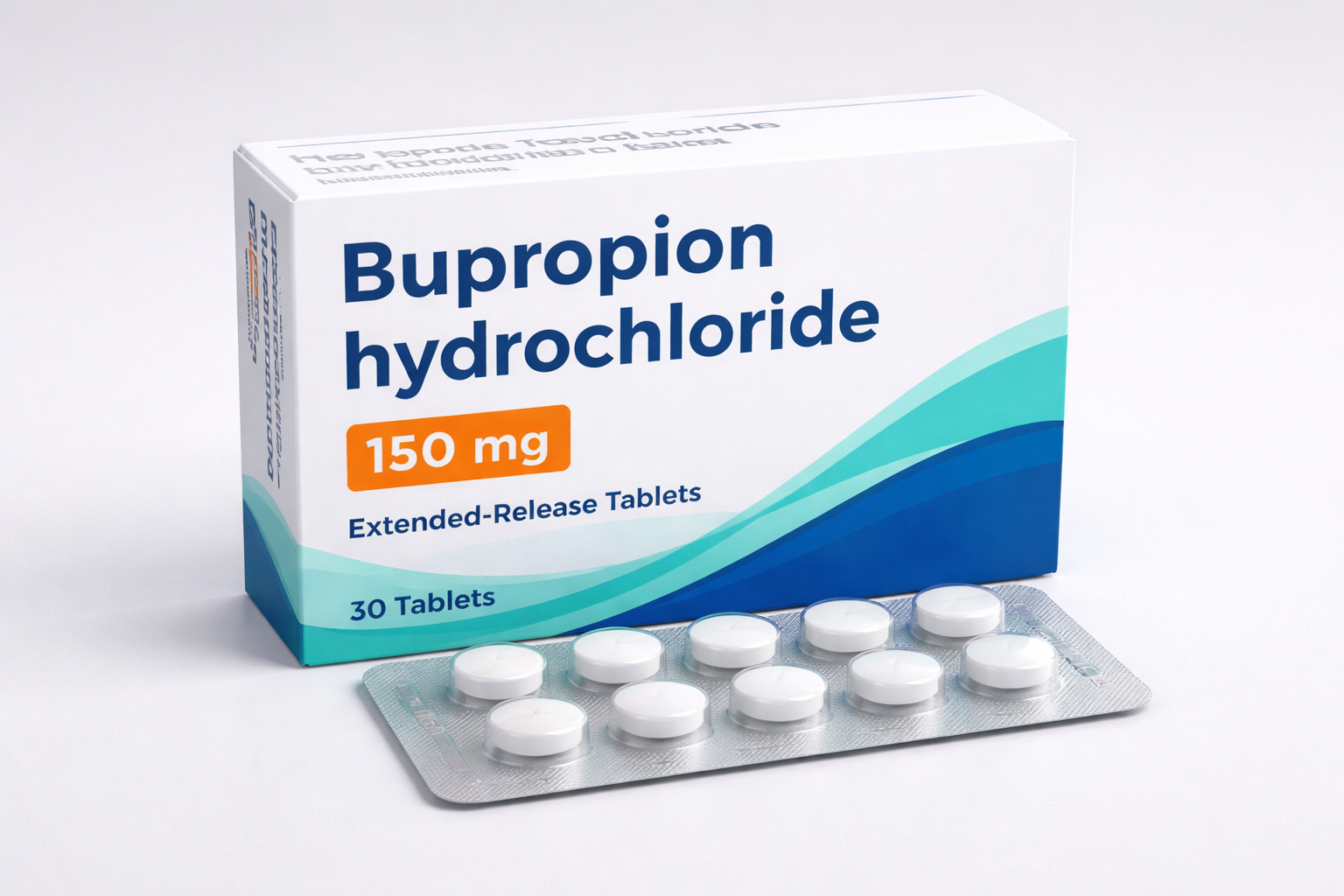
When it comes to quitting smoking, nicotine replacement therapies are not the only option available. For some smokers, particularly those who struggle with the psychological aspects of withdrawal, a medication alternative called bupropion, marketed under the name Zyban, can prove decisive.
Bupropion is not a nicotine substitute; it is an atypical antidepressant serendipitously discovered to be effective in smoking cessation. Its mechanism of action relies on modifying the levels of certain neurotransmitters in the brain, notably dopamine and norepinephrine. By acting on these chemical substances, Bupropion manages to reduce the intensity of the urge to smoke and alleviate the unpleasant symptoms of withdrawal, such as irritability, anxiety or depressed mood, which are often major factors leading to relapse.
Treatment Protocol and Dosage
Treatment with Bupropion is a commitment that generally lasts seven to nine weeks. It is crucial that the patient starts taking the medication one to two weeks before their set quit date. This preparation phase is essential to allow Bupropion to reach an optimal therapeutic concentration in the blood before complete cessation is initiated.
The usual dosage starts with one 150 mg tablet once daily for the first six days. From the seventh day, the dose is typically increased to 150 mg twice daily, ensuring that doses are spaced at least eight hours apart. It is imperative not to exceed 300 mg per day. This gradual increase is necessary to ensure maximum efficacy and to minimize side effects. The importance of a sufficient dose is central: if the smoker continues to feel a strong urge to smoke or significant withdrawal symptoms, it means the treatment is not fully effective, requiring careful medical monitoring to ensure the dosage is adequate and adhered to.
Experts emphasize the importance of never stopping treatment prematurely. Even after successfully quitting smoking, it is recommended to continue the therapy until the end of the prescribed cycle to consolidate cessation and prevent the risk of relapse, which is particularly high in the first few weeks.
For the user, the main recommendation is to strictly follow the doctor’s instructions, especially the timing of quitting smoking during the course of treatment. It is essential not to take a double dose if one is missed and to immediately inform the doctor of any changes in behavior or mood.
Efficacy and Profile of Beneficiaries
Clinical studies have shown that Bupropion roughly doubles the success rate of cessation compared to a placebo. Its efficacy is comparable to nicotine replacement therapy and is enhanced when combined with behavioral support.
Bupropion is particularly beneficial for a specific category of smokers: those with a history of mood disorders, especially depression. Since it has antidepressant activity, it helps not only with quitting smoking but also with preventing the onset or worsening of depressive symptoms that may occur during withdrawal.
If you feel depressed or have suicidal thoughts, consult your doctor immediately or go to the nearest hospital.
Side Effects and Contraindications
Like any medicinal treatment, Bupropion has side effects and strict contraindications. The most common side effects include dry mouth and, very frequently, insomnia, which is why the second daily dose should be taken in the early afternoon, far from bedtime.
The most severe contraindication concerns seizure disorders or any factor that lowers the seizure threshold (such as a head injury or alcohol abuse), as Bupropion slightly increases the risk of seizures. It is also strictly contraindicated in cases of eating disorders (anorexia or bulimia) or during abrupt alcohol or benzodiazepine withdrawal. A thorough medical examination is therefore essential before any prescription.
Serotonin syndrome (a potentially life-threatening condition) may occur, particularly when bupropion is taken in excessive doses or in combination with medications that affect serotonin levels.
Pregnancy, Breastfeeding, and User Recommendations
Regarding pregnancy and breastfeeding, Bupropion is generally not recommended. In the absence of robust safety data and considering potential risks to the fetus or infant, the first line of treatment for pregnant women remains the use of Nicotine Replacement Therapies, always under close medical supervision, or cessation without medicinal aid.
Use the “Comments” field below to share your experience with bupropion or to suggest improvements to this page.




Leave a Reply