
Tag: quit smoking

  • Cognitive Behavioral Therapy (CBT)

    Cognitive Behavioral Therapy (CBT)

    Quitting smoking is best done with the support of a therapist. While nicotine replacement therapies and medications often play a role, a powerful non-pharmacological tool is increasingly being recognized for its effectiveness: Cognitive Behavioral Therapy (CBT).

    CBT, at its core, is a structured, goal-oriented approach to psychological treatment. But when applied to smoking cessation, it becomes a sophisticated strategy designed to dismantle the mental machinery that keeps the habit alive.

    The Core Idea: Thoughts, Feelings, and Actions

    CBT operates on the principle that our thoughts, feelings, and actions are interconnected. In the context of smoking, the act of lighting up isn’t just a physical craving; it’s often the final step in a chain of automatic thoughts and emotional responses.

    For example, a stressful day at work might trigger the thought, “A cigarette will calm me down.” This thought leads to feelings of anxiety relief and, finally, the action of smoking. CBT aims to break this chain by identifying and modifying the unhelpful thoughts and behaviors that serve as “triggers.”

    How a Session Unfolds

    CBT for smoking cessation is typically delivered over several sessions, either individually or in a group setting. It is not a casual chat; it involves active work and strategy building.

    First, the therapist and patient establish a precise functional analysis of the smoking habit. This means meticulously tracking when, where, and why the person smokes. It seeks to answer the crucial question: what function does the cigarette actually serve? Is it a social crutch, a mechanism for managing stress, or a way to fight boredom?

    Once these triggers are mapped out, the core techniques of CBT come into play:

    Cognitive Restructuring: This involves challenging and replacing the nicotine-related beliefs that have been ingrained over years. For instance, the thought “I can’t handle stress without a cigarette” is challenged with evidence and alternative, more constructive coping statements, such as “I can manage stress by taking a short walk or using deep breathing.”

    Behavioral Skills Training: Patients are taught concrete strategies to avoid and cope with high-risk situations. This includes stimulus control—changing environmental cues that trigger smoking (like moving an armchair where they always smoked)—and coping skills training, which equips them with alternatives to smoking when a craving hits. This might be a physical activity, a relaxation technique, or a simple distraction method.

    Relapse Prevention: This is a crucial final phase. It prepares the individual for inevitable slip-ups or cravings by viewing them not as failures, but as temporary setbacks that can be learned from. Patients develop a tailored “escape plan” for high-risk situations in the future.

    Who Benefits and Who Should Be Cautious?

    CBT has demonstrated significant effectiveness, particularly when combined with pharmacological aids like Varenicline or Nicotine Replacement Therapy (NRT). Studies show that by addressing both the physical addiction and the psychological dependence, the chances of sustained abstinence are substantially higher.

    It is highly suitable for:

    • Individuals with strong psychological dependence: Those whose smoking is heavily tied to emotional states, stress, or specific environments.
    • Smokers with co-occurring anxiety or depression: CBT is often a first-line treatment for these conditions, making it a powerful dual-purpose tool.
    • Those who have tried other methods and relapsed: CBT offers a fresh approach by focusing on the underlying thought patterns that led to the return of the habit.

    It may be less suitable for:

    • Individuals unwilling to engage in introspection: CBT requires motivation and a willingness to examine one’s own thoughts and challenge long-held beliefs. It is an active process that requires homework and commitment.

    Rate this article by clicking on the desired number of stars:
    1 Star2 Stars3 Stars4 Stars5 Stars (1 votes, average: 5.00 out of 5)
    Loading...

    Please use the “Comments” field below to share your experience or suggest improvements to this article.

  • Body Mass Index

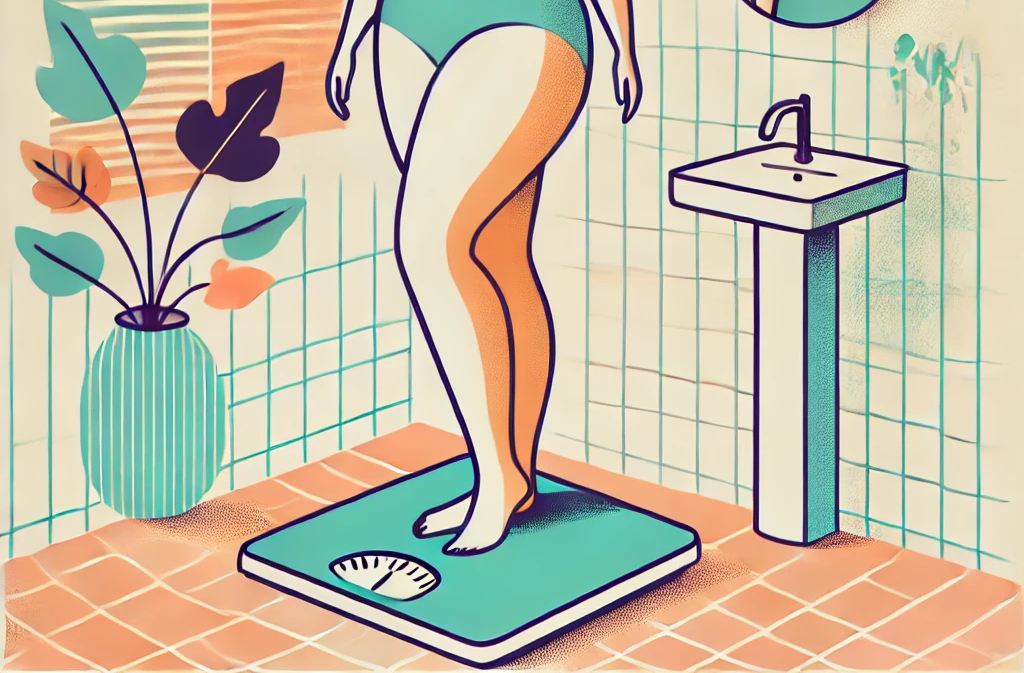
    Body Mass Index

    Calculate your body mass index (BMI) using the calculator below to find out if you are overweight or obese. We also provide a brief but comprehensive and scientifically based explanation of the advantages and limitations of BMI below:


    Easily calculate your BMI:

    Body mass index (BMI) is a simple measure that takes into account your height and weight to determine whether you are at a healthy weight. Although this measure is not perfect, it can be useful for setting a goal (e.g., achieving a BMI of 24.9). The BMI score is calculated by dividing your weight in kilograms by the square of your height in meters, so the result is given in kg/m2. For example, a person weighing 70 kg and measuring 1.65 m tall has a BMI of 25.7.

    So, on the calculator, you would type: 70 / 1.65 / 1.65.

    Interpretation of results: BMI (in kg/m2):.

    • less than 18.5: underweight
    • 18.5 to 24.9: healthy weight
    • 25 to 29.9: overweight
    • 30 to 34.9: moderate obesity (class I)
    • 35 to 39.9: severe obesity (class II)
    • 40 and above: morbid obesity (class III)

    Limitations of BMI:

    BMI is not a perfect indicator of body fat, particularly in very muscular individuals, and it does not take skeletal mass into account. Furthermore, BMI is not linearly associated with disease risk or mortality. In fact, it is mainly the amount of abdominal fat that determines cardiovascular risk, rather than the total amount of fat. It is therefore advisable to also measure your waist circumference, which gives a good estimate of abdominal fat mass.

    BMI is an old measurement. It was proposed in the 19th century and was first used by insurers to estimate mortality risk. It is therefore primarily a descriptive index, but one that is currently used in a prescriptive manner. This becomes problematic when BMI is used to determine who can access drugs such as Ozempic or who can obtain reimbursement for them. Other methods should therefore be used, such as the Edmonton classification of obesity stages,(a) which uses several indicators to determine whether a person is obese. Ideally, direct measurements of body fat should be used.(b)

    You can also purchase a bathroom scale that uses an electrical induction system to indicate your weight, body fat, and muscle mass (price: starting at 25 USD or UK£).

    Also, you can measure your waist circumference, which is a good indicator of your amount of abdominal fat (and therefore your cardiovascular risk).


    Please rate this article by clicking on the desired number of stars:
    1 Star2 Stars3 Stars4 Stars5 Stars (1 votes, average: 5.00 out of 5)
    Loading...


    Use the Comment field below to share your experience with BMI and suggest improvements to this article, or write a testimonial about it.

    If you like this page, please mention it in a post on social media or link to it on your website. Thank you.


    References:

    a) Canning KL, Brown RE, Wharton S, Sharma AM, Kuk JL. Edmonton Obesity Staging System Prevalence and Association with Weight Loss in a Publicly Funded Referral-Based Obesity Clinic. J Obes. 2015;2015:619734. doi: 10.1155/2015/619734. (Lien).

    b) A. M. Prentice, S. A. Jebb. Beyond body mass index. Obesity Reviews. Volume 2, Issue 3, August 2001, Pages 141-147. (Lien). https://doi.org/10.1046/j.1467-789x.2001.00031.x


  • Measuring waist circumference

    Measuring waist circumference

    Measuring your waist circumference provides a quick and easy assessment of your abdominal fat, which is a good indicator of your risk of developing health problems such as diabetes, cardiovascular disease and high blood pressure. Here is how to measure your waist circumference and interpret the result:

    Check your measurement and your health risk:

    Body fat is distributed in two ways: under the skin and in the abdomen. It is mainly abdominal fat that is associated with a higher risk of disease and mortality. Measuring your waist circumference provides a simple, inexpensive, and reliable estimate of your amount of abdominal fat.

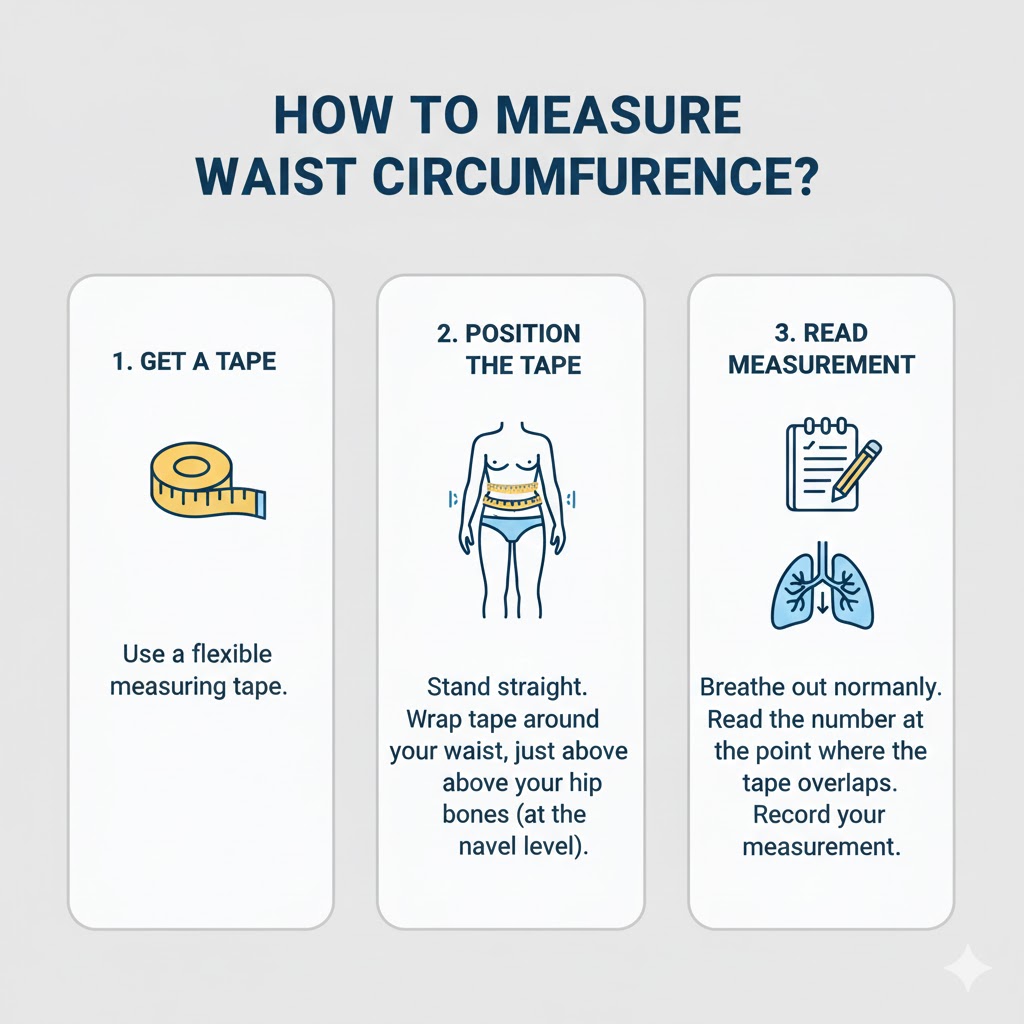
    Here’s how to measure your waist circumference:

    • Get a flexible measuring tape (sewing tape measure), then locate the top of your iliac crest (the protruding bone on the side where your belt rests) on each side.
    • Stand up straight with your heels and toes touching the floor and breathe normally.
    • Wrap the tape around your waist, at the level of your two iliac crests and your navel, directly on the skin.
    • Make sure the tape is snug, not too tight, and that it forms a ring parallel to the floor.
    • Take the measurement after exhaling (= emptying your lungs). Write down the measurement and the date.

    Here is how to interpret the measurement result:

    Based on guidelines from organizations such as the World Health Organization (WHO) and various health agencies, here are the generally accepted thresholds for high risks and very high risks associated with waist circumference in adults:


    Waist circumference risk thresholds (PDF):

    SexRisk LevelWaist: cmWaist: Inches
    WomenHigh Risk≥ 80 cm≥ 31.5 in
    Very High Risk≥ 88 cm≥ 35 in
    MenHigh Risk≥ 94 cm≥ 37 in
    Very High Risk≥ 102 cm≥ 40 in

    Waist size and health consequences:

    If your waist circumference is greater than 94 cm / 37 in (men) or 80 cm / 31.5 in (women), this may indicate that you have excess abdominal fat. In this case, a change in lifestyle is recommended (eating better and exercising more), or medical treatment for overweight or obesity may be warranted.(a) Note that even if your body mass index (BMI) is within the normal range (below 25 kg/m²), your cardiovascular risk is increased if your waist circumference exceeds the above values.

    A waist circumference greater than 102 cm / 40 in for men and 88 cm / 35 in for women is one of the diagnostic criteria for metabolic syndrome. This syndrome includes several factors associated with an increased risk of cardiovascular disease, including: high blood cholesterol, sugar, and insulin levels, high blood pressure, inflammation, etc.

    A large waist circumference is also strongly associated with the risk of developing type 2 diabetes, even more so than body mass index (BMI).(a) A large waist circumference is also strongly associated with the risk of cardiovascular mortality, as well as the risk of death from all causes.(a)

    How to lose weight?

    By reducing your waist circumference, you increase your chances of avoiding diabetes, cardiovascular disease, or premature death.
    – Follow our advice for losing weight,
    – Consult a professional who may be able to prescribe treatment,
    – Get support.

    Please note:
    It is strongly discouraged to lose weight if you are underweight, i.e., if, as an adult, your BMI is less than 18.5 kg/m2.


    Please rate this article by clicking on the desired number of stars:
    1 Star2 Stars3 Stars4 Stars5 Stars (1 votes, average: 5.00 out of 5)
    Loading...


    => Also calculate your body mass index (BMI).


    Use the Comment field below to share your experience and suggest improvements to this article.

    Or write a testimonial about it.

    If you like this article, please share it on social media or on your website.


    Reference:

    a) Ness-Abramof, R. and Apovian, C.M. (2008), Waist Circumference Measurement in Clinical Practice. Nutr Clin Pract, 23: 397-404. https://doi.org/10.1177/0884533608321700


  • Bupropion (Zyban)

    Bupropion (Zyban)

    When it comes to quitting smoking, nicotine replacement therapies are not the only option available. For some smokers, particularly those who struggle with the psychological aspects of withdrawal, a medication alternative called bupropion, marketed under the name Zyban, can prove decisive.

    Bupropion is not a nicotine substitute; it is an atypical antidepressant serendipitously discovered to be effective in smoking cessation. Its mechanism of action relies on modifying the levels of certain neurotransmitters in the brain, notably dopamine and norepinephrine. By acting on these chemical substances, Bupropion manages to reduce the intensity of the urge to smoke and alleviate the unpleasant symptoms of withdrawal, such as irritability, anxiety or depressed mood, which are often major factors leading to relapse.

    Treatment Protocol and Dosage

    Treatment with Bupropion is a commitment that generally lasts seven to nine weeks. It is crucial that the patient starts taking the medication one to two weeks before their set quit date. This preparation phase is essential to allow Bupropion to reach an optimal therapeutic concentration in the blood before complete cessation is initiated.

    The usual dosage starts with one 150 mg tablet once daily for the first six days. From the seventh day, the dose is typically increased to 150 mg twice daily, ensuring that doses are spaced at least eight hours apart. It is imperative not to exceed 300 mg per day. This gradual increase is necessary to ensure maximum efficacy and to minimize side effects. The importance of a sufficient dose is central: if the smoker continues to feel a strong urge to smoke or significant withdrawal symptoms, it means the treatment is not fully effective, requiring careful medical monitoring to ensure the dosage is adequate and adhered to.

    Experts emphasize the importance of never stopping treatment prematurely. Even after successfully quitting smoking, it is recommended to continue the therapy until the end of the prescribed cycle to consolidate cessation and prevent the risk of relapse, which is particularly high in the first few weeks.

    For the user, the main recommendation is to strictly follow the doctor’s instructions, especially the timing of quitting smoking during the course of treatment. It is essential not to take a double dose if one is missed and to immediately inform the doctor of any changes in behavior or mood.

    Efficacy and Profile of Beneficiaries

    Clinical studies have shown that Bupropion roughly doubles the success rate of cessation compared to a placebo. Its efficacy is comparable to nicotine replacement therapy and is enhanced when combined with behavioral support.

    Bupropion is particularly beneficial for a specific category of smokers: those with a history of mood disorders, especially depression. Since it has antidepressant activity, it helps not only with quitting smoking but also with preventing the onset or worsening of depressive symptoms that may occur during withdrawal.

    If you feel depressed or have suicidal thoughts, consult your doctor immediately or go to the nearest hospital.

    Side Effects and Contraindications

    Like any medicinal treatment, Bupropion has side effects and strict contraindications. The most common side effects include dry mouth and, very frequently, insomnia, which is why the second daily dose should be taken in the early afternoon, far from bedtime.

    The most severe contraindication concerns seizure disorders or any factor that lowers the seizure threshold (such as a head injury or alcohol abuse), as Bupropion slightly increases the risk of seizures. It is also strictly contraindicated in cases of eating disorders (anorexia or bulimia) or during abrupt alcohol or benzodiazepine withdrawal. A thorough medical examination is therefore essential before any prescription.

    Serotonin syndrome (a potentially life-threatening condition) may occur, particularly when bupropion is taken in excessive doses or in combination with medications that affect serotonin levels.

    Pregnancy, Breastfeeding, and User Recommendations

    Regarding pregnancy and breastfeeding, Bupropion is generally not recommended. In the absence of robust safety data and considering potential risks to the fetus or infant, the first line of treatment for pregnant women remains the use of Nicotine Replacement Therapies, always under close medical supervision, or cessation without medicinal aid.


    Use the “Comments” field below to share your experience with bupropion or to suggest improvements to this page.


  • Health benefits of quitting smoking

    Health benefits of quitting smoking

    Quitting smoking is one of the single most important steps you can take to improve your health, regardless of your age or how long you’ve smoked. The benefits begin almost immediately and continue to increase over time. Here’s what you need to know about the benefits of quitting smoking, its effects on symptoms and health after 1 day, 1 week, 1 month, 1 year, and 10 years, including specific benefits for women and older smokers.

    Time After QuittingHealth Outcome/Symptom Effect
    20 MinutesCarbon monoxide level in your blood decrease already
    12 HoursThe carbon monoxide level in your blood drops to normal, increasing the oxygen in your blood.
    1 Day– Your risk of a heart attack begins to decrease.
    – Blood pressure continues to drop.
    – You have better breath (less odor) and you no longer smell like cold smoke.
    2-3 DaysYour sense of taste and smell improves.
    – Bronchial tubes start to clean, making breathing easier.
    – You already spared enough money to buy a book.
    1 Week– Energy levels increase.
    – You cough and expectorate less.
    2 Weeks to 3 Months– Circulation improves, and lung function increases (by up to 30% in some cases).
    – Walking and physical activity become easier.
    1 to 9 Months– Coughing and shortness of breath decrease as the cilia (tiny hairs that clean the lungs) regain normal function, offering a better protection against infectious agents.
    – The risk of respiratory infection decreases
    Sinus congestion and lung capacity continue to improve.
    1 Year– Your risk of coronary heart disease (heart attack) is half that of a smoker.
    – You have already saved enough money to treat yourself to two weeks of your dream vacation.
    5 Years– Your risk of stroke is reduced to that of a non-smoker.
    – Your risk of mouth, throat, and esophageal cancer is cut in half.
    10 Years– Your risk of dying from lung cancer is about half that of a person who is still smoking.
    – Your risk of bladder, kidney, and pancreatic cancers also decreases.
    – You saved enough money to by a new car
    15 Years– Your risk of coronary heart disease is nearly the same as that of a non-smoker.
    – Your risk of dying from almost any cause is almost the same as that of a non-smoker.

    Immediate & Long-Term Benefits

    Quitting smoking positively impacts nearly every system in your body, from reducing your risk of life-threatening diseases to improving your daily quality of life.

    General Benefits

    • Financial Savings: You will save a substantial amount of money that can be used for other enjoyable activities.
    • Improved Senses: Your senses of smell and taste will begin to return to normal, making food more enjoyable.
    • Better Appearance: The yellowing of your teeth and nails will stop, your skin will show fewer signs of premature aging/wrinkles, you will have better breath (less odor), and you will no longer smell like cold smoke.
    • Enhanced Social Life: You’ll be free from the hassle of needing to smoke, and you’ll protect your loved ones from secondhand smoke.

    Health and Timeline Benefits

    Your body starts repairing itself within minutes of your last cigarette.


    Specific Benefits for Women

    Women who quit smoking experience specific health benefits:

    • Reproductive Health:
      • Fertility improves, making it easier to conceive.
      • Quitting reduces the risk of premature births, low birth weight babies, and miscarriage.
      • If you’re already pregnant, quitting is the best thing you can do for the health of both you and your baby.
    • Contraceptive pill: it is dangerous to both smoke and take the pill. The associated risks (in particular thrombosis) start to decrease as soon as you quit smoking.
    • Nicotine affects the nervous system of fetuses and infants because it crosses the placental barrier and passes into breast milk.
    • The risk of sudden infant death syndrome is higher when parents smoke.
    • Compared to children of non-smokers, children of smokers are twice as likely to become smokers themselves, and they are also more affected by respiratory infections and asthma..
    • Hormonal Balance: Your estrogen levels gradually return to normal. Smoking can lead to earlier menopause (1–4 years earlier) and more severe menopausal symptoms; quitting helps mitigate this.
    • Cancer Risk: Your risk of cervical cancer drops to near that of a non-smoker within as little as five years.
    • Bone Health: Quitting helps protect against osteoporosis and reduces the risk of fractures.
    • Wrinkles: Sun exposure and smoking are the two main risk factors for wrinkles. By quitting smoking, you can improve the appearance of your skin.

    Specific Benefits for People Aged 65 or Older

    It is never too late to quit. Even long-term smokers who quit in their later years gain significant health advantages, often leading to a longer, more active life.

    • Longevity: Quitting at age 65 can still significantly add years to your life expectancy and improve quality of life. Even quitting at age 80 reduces the risk of dying from smoking-related diseases.
    • Cardiovascular Health: The rapid improvement in circulation and lower risk of heart attack are particularly vital for older adults, whose systems may already be under stress.
    • Cognitive Function: Smoking is a risk factor for dementia and Alzheimer’s disease. Quitting can preserve and improve cognitive function, including memory, attention, and processing speed.
    • Respiratory Function: Improved lung function is crucial for maintaining an active and independent lifestyle. Quitting helps enhance respiratory capacity and reduces the risk of respiratory infections.
    • Medication Efficacy: Smoking can interfere with how some medicines work. Quitting can ensure your medications work more effectively.

    Use the ‘Comments’ field below to share your experience or to suggest improvements to this article.


  • Non-daily and occasional smoking

    Non-daily and occasional smoking

    You often hear about daily smokers, but what about those who only smoke occasionally—maybe a cigarette on the weekend, a few times a month, or even just during a yearly vacation? If you’re a former smoker who sometimes considers “just one puff,” or if you currently identify as a non-daily or occasional smoker, this article is for you.


    🤔 Not All Smokers Are Addicted

    It’s true that not every person who smokes is addicted to nicotine. While many non-daily smokers do have some level of dependence, others smoke primarily due to habit, social cues, or psychological triggers (like stress or boredom) without experiencing severe withdrawal symptoms when they stop.

    • Occasional Smokers: These individuals might smoke a few times a month or a year. Their behavior is often tied to specific social situations (e.g., parties, bars) or emotional states.1 They may not feel a strong physical need for nicotine.
    • Non-Daily Smokers: These individuals smoke, but not every day. They might smoke a few cigarettes on the weekend but none during the week. This pattern is often the grey area where dependence is developing or already present, but perhaps not as intense as in a daily smoker.

    However, regardless of the level of addiction, any level of smoking carries risks.


    🚨 The Surprising Health Risks of Occasional Smoking

    The idea that “just a few” cigarettes can’t hurt is a dangerous myth. Research shows that non-daily and occasional smoking poses significant health risks.

    • Heart Disease: Occasional smoking significantly increases the risk of heart disease, almost doubling it compared to non-smokers. Even small amounts of smoke can damage blood vessels and increase the risk of blood clots.
    • Lung Cancer: While the risk is lower than for heavy smokers, occasional smokers are still several times more likely to develop lung cancer than people who have never smoked. There is no truly “safe” threshold for cigarette smoke exposure.
    • Other Cancers: Occasional smoking increases the risk of other cancers, including those of the esophagus, stomach, and bladder.
    • Respiratory Issues: Even occasional smoking can impair lung function and increase the risk of respiratory infections.

    The takeaway? When it comes to the toxic substances in tobacco smoke, your body suffers damage with every puff, although the risk increases with the number of cigarettes smoked per day, the frequency, and the duration of smoking.


    🔙 The High Risk of Relapse for Former Smokers

    If you have already quit smoking, the biggest threat is the thought that you can handle “just one” cigarette or “just a puff.”

    • Nicotine’s Power: Nicotine is highly effective at re-awakening the dormant addiction pathways in your brain. A single puff is often enough to remind your brain of the “reward” it used to receive.
    • The “Slippery Slope”: That single puff can easily lead to one cigarette the next week, then two the week after, and soon you find yourself back to daily smoking. Relapse rarely happens overnight; it starts with an occasional exception.
    • The Re-Establishment of Triggers: Even an occasional cigarette re-establishes the psychological connection between smoking and your daily life (stress, coffee, alcohol). This makes future cravings much stronger and harder to manage.

    ✋ Your Golden Rule: Not Even a Single Puff

    For anyone serious about staying quit, the most important rule is the simplest: You must never take another puff of tobacco.

    This strict policy is your strongest defense against relapse. It eliminates the need for decision-making in a weak moment: the answer is always no.

    If you are currently an occasional smoker who wants to stop before a full addiction takes hold, or a former smoker fighting the urge to try just one, remember: There is no healthy or safe level of smoking.


    Rate this article by clicking on the desired number of stars:
    1 Star2 Stars3 Stars4 Stars5 Stars (1 votes, average: 1.00 out of 5)
    Loading...

    Please use the “Comments” field below to share your experience or suggest improvements to this article.

  • Craving: the urge to smoke

    Craving: the urge to smoke

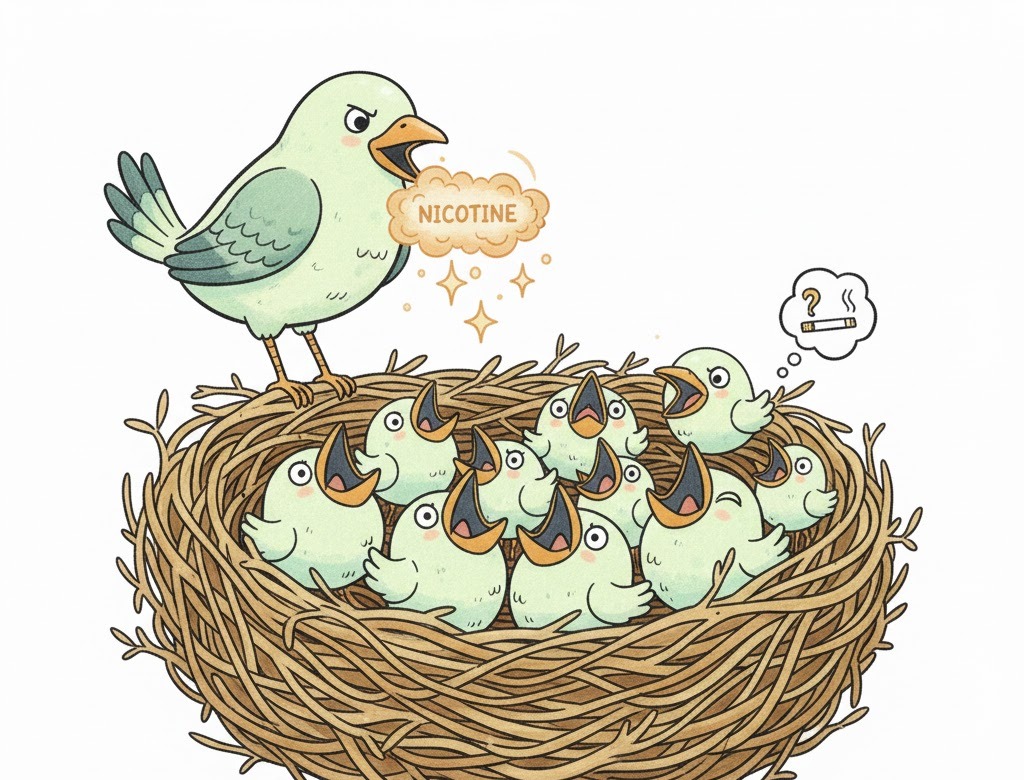
    Nicotinic receptors in the brain, hungry for their nicotine meal


    Craving, the irresistible and uncontrollable urge to light a cigarette is a major obstacle when trying to quit smoking. Understanding what a craving is, where it comes from, and how to deal with it is essential to successfully quitting smoking.


    What is a Craving and What Causes It?

    Simply put, a smoking craving is a powerful physical and psychological impulse to smoke or to use nicotine immediately.

    The Root Cause: Nicotine Addiction

    The core of the craving is your brain’s dependence on nicotine. When it is inhaled in tobacco smoke, nicotine is highly addictive (but the same nicotine in a nicotine patch is not addictive at all), and it alters the chemistry and the structure of your brain. Over time, your brain adapts: the number of nicotinic receptors increases and you start to need nicotine to feel “normal.” When you quit smoking, the nicotine level in your blood drops, and your brain sends out a distress signal, which we experience as a craving.

    The Triggers: Conditioning and Habit

    Smoking is heavily linked to daily routines and emotional states.5 Your brain has been conditioned to associate certain activities or feelings with smoking.6 These triggers fall into several categories:

    • Routine: Coffee, after a meal, driving, taking a break.7
    • Emotional: Stress, boredom, feeling happy or sad.8
    • Social: Being with friends who smoke, having a drink.9
    • Environmental: A specific armchair, a smoking spot outside work where you used to smoke.

    The 5-Minute Rule: a Powerful Tool

    Here’s the single most important fact to remember about a craving: It’s intense, but it’s short-lived.

    Research shows that the strongest part of a craving usually peaks and disappears after about five minutes.10

    Your job isn’t to make the craving vanish instantly; it’s to ride the wave for those few minutes until it naturally subsides. Remind yourself: “I just need to make it through the next five minutes.”


    The Role of Nicotine Replacement and Other Aids

    Don’t feel you have to fight this battle on willpower alone. Nicotine Replacement Therapy (NRT) and other aids are designed to give your brain the small, clean dose of nicotine it craves, without the thousands of toxins in cigarette smoke, helping you manage withdrawal symptoms.13

    • Nicotine Replacement Therapy (NRT): Patches provide a steady background dose, while gums, lozenges, inhalers, or sprays are “quick-response” aids you can use immediately when a craving strikes.14 They are excellent for helping you get past that critical 5-minute peak.
    • E-Cigarettes (Vaping): Vaping can serve as a transition tool.15 It mimics the hand-to-mouth action and provides nicotine in good flavors.
    • Oral Tobacco (Snus/Nicotine Pouches): These are sometimes used for harm reduction in places where they are legally available, offering a smoke-free nicotine source.16

    How to Deal with the Urge: Distraction is Key

    Since the urge is temporary, your strategy is simple: Distract yourself until the five minutes pass. You need quick, engaging activities that interrupt the thought process.

    Distraction Techniques

    • Move Your Body: Get up and walk around the house or office. Do 10 quick squats or push-ups.
    • Engage Your Hands: Play a quick game on your phone, doodle, chew gum, sip water slowly, or crunch on a carrot stick.11
    • Change Your Scenery: Step outside for a breath of fresh air (away from smoking areas), or move to a different room.12
    • Focus on Your Breath: Take five slow, deep breaths, counting to four on the inhale and four on the exhale.
    • Talk it Out: Send a text to a friend, or call a quitting support line.

    Specific Triggers and How to Control Them

    Triggers require a pre-planned response. Think of them as battle zones where you need a prepared counter-strategy.

    If the Urge Strikes…Try This Action Plan
    When you wake upDon’t leave the bedroom immediately. Drink a large glass of water, do a 2-minute stretch, chew a piece of nicotine gum, or brush your teeth.
    After a mealReplace the ritual. Immediately get up and clean the dishes, brush your teeth, chew a piece of nicotine gum, or call a friend for a quick chat.
    In the presence of smokersDistance yourself. Announce, “I’m going to grab a drink/fresh air,” and walk away for 5-10 minutes until they’ve finished their cigarette. Chew a piece of nicotine gum.
    In a stressful situationFocus on breathing. Use deep-breathing exercises. Take a 5-minute time-out to write down what’s stressing you, then crumple the paper.
    In a place you used to smokeChange the environment. Sit in a different chair, or physically block the usual smoking area (e.g., place a flowerpot there) to break the association.

    Every time you beat a craving, you weaken the addiction and strengthen your resolve. You are retraining your brain, one five-minute victory at a time. Keep going !


    Rate this article by clicking on the desired number of stars:
    1 Star2 Stars3 Stars4 Stars5 Stars (1 votes, average: 5.00 out of 5)
    Loading...


    Please use the “Comments” field below to share your experience or suggest improvements to this article.

  • Weight gain

    Weight gain

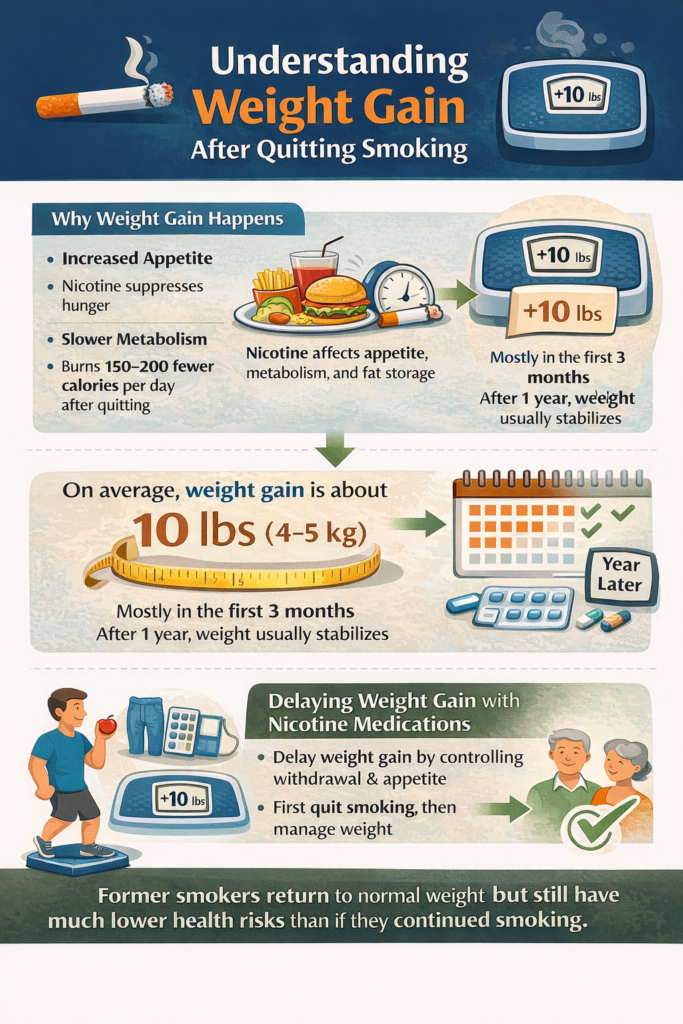
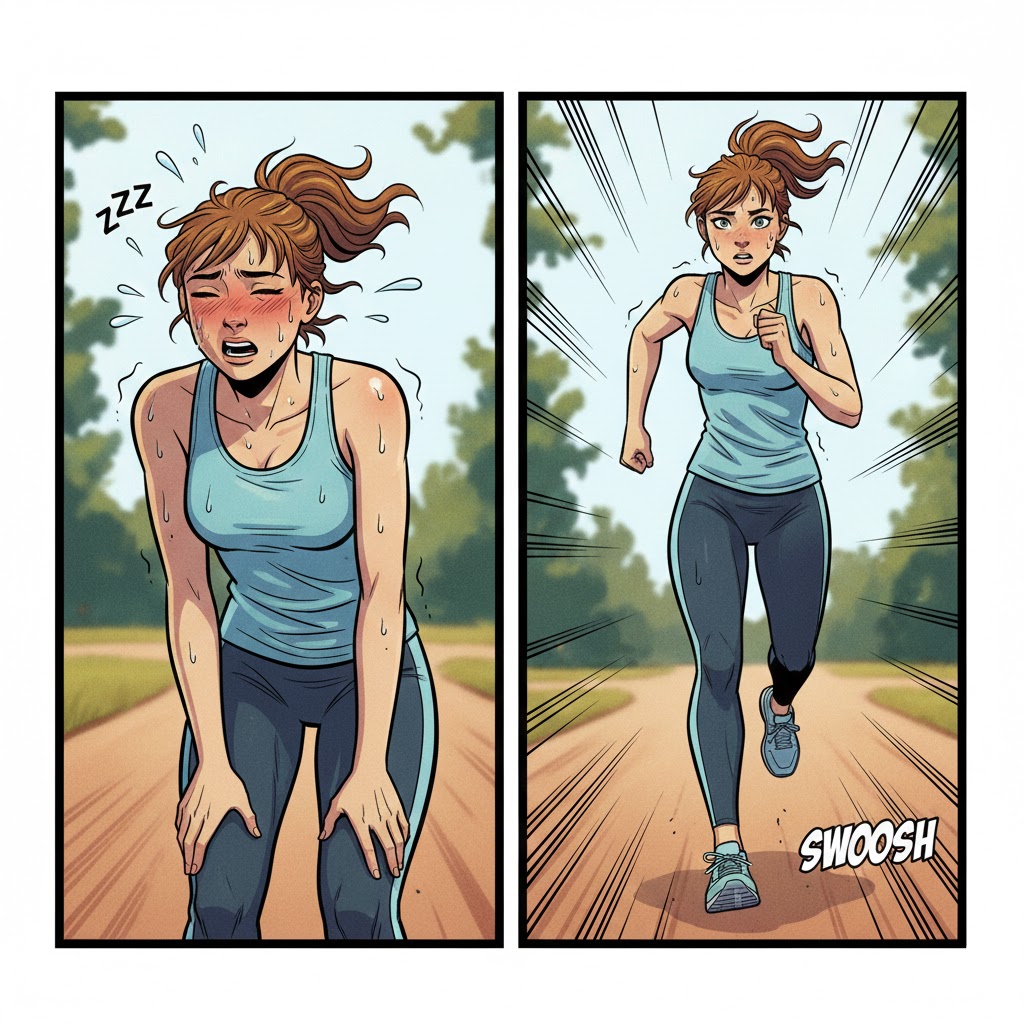
    After quitting smoking, most people gain weight. Here we explain why this happens, how much weight people usually gain after quitting, the possibility of using nicotine medications to delay weight gain, and how to limit weight gain

    Why people gain weight after they quit

    There are three main reasons why your body tends to put on a few pounds when you stop smoking, linked to the effects of nicotine on your appetite and metabolism. Together, these three factors influence your calorie balance (intake/expenditure) and storage in the form of body fat.

    Increased appetite and cravings:

    Nicotine acts as a mild appetite suppressant. When you remove it, you may feel hungrier more often. Increased appetite is a well-documented nicotine withdrawal symptom.

    Many people also mistake the craving for a cigarette for a craving for food. Reaching for a snack is often an unconscious way to deal with the urge to put something in your mouth (the “hand-to-mouth” habit).

    Food, especially sugary or fatty treats, releases brain chemicals that feel good, temporarily replacing the pleasure you got from nicotine.

    Slower metabolism:

    Smoking actually speeds up your metabolism (the rate your body burns calories). A smoker’s body burns about 150 to 200 more calories per day than a non-smoker’s.

    When you quit smoking, your metabolism slows down to a normal, healthy rate, meaning you burn fewer calories at rest. If you don’t adjust your eating, those unburned calories can lead to weight gain.

    Changes in how your body handles fat:

    Nicotine affects how your body processes and stores fat. Quitting can lead to a shift in your body’s fat storage that contributes to weight gain.

    How much weight can you expect to gain?

    The good news is that the weight gain is usually modest. On average, most people who quit smoking gain about 10 pounds (4-5 kg). About one in ten people may gain more than 30 pounds, but this is the exception, not the rule. Most of this weight gain occurs within the first three months after quitting, and weight usually stabilises after about a year.

    Remember, even with a 10-pound gain, your risk of heart disease and cancer is still significantly lower than if you continued to smoke.

    How to use nicotine medications to delay and limit weight gain

    Increased appetite and weight gain are nicotine withdrawal symptoms, and you can delay them as long as you take a sufficient dose of nicotine. Of course, it is preferable to use nicotine medications (patches, gum, lozenges, sprays or inhalers) which are harmless. By ‘delay’, we mean that you first stop smoking, then after 3 months of using nicotine medications, you can stop the nicotine treatment and only then will you gain weight. This two-step strategy allows you to deal with one problem at a time, first quitting smoking and managing withdrawal symptoms, then managing your weight.

    Nicotine medications also make it easier to quit smoking by attenuating the other nicotine withdrawal symptoms: craving, iritability, depressed mood, anxiety, difficulty concentrating, difficulty sleeping.

    But you have to accept the fact that, for most former smokers, weight gain is permanent. On average however, former smokers weigh the same as people who have never smoked, and current smokers weigh less than non-smokers. This means that, on average, former smokers simply return to the normal weight of non-smokers of the same age and gender. However, some former smokers gain a lot of weight and end up weighing more than is normal for their age.

    We have created an entire website (Stop-Kilos.org) dedicated to helping people lose weight, so we invite you to visit the Stop-Kilos website for more information.

    Is weight gain always a health problem?

    Weight gain can lead to health problems mostly if you are overweight (body mass index, BMI>25 kg/m2) or obese (BMI >30 kg/m2) or if your waist circumference is >80 cm or >31.8 in (women) or >94 cm or 37 in (men). See our articles on how to measure your waist circumference and your body mass index.


    Please rate this article by clicking on the desired number of stars:
    1 Star2 Stars3 Stars4 Stars5 Stars (1 votes, average: 5.00 out of 5)
    Loading...

    Please use the Comments field below to share your experience and to suggest improvments to this page.


  • 10 rules to stop smoking

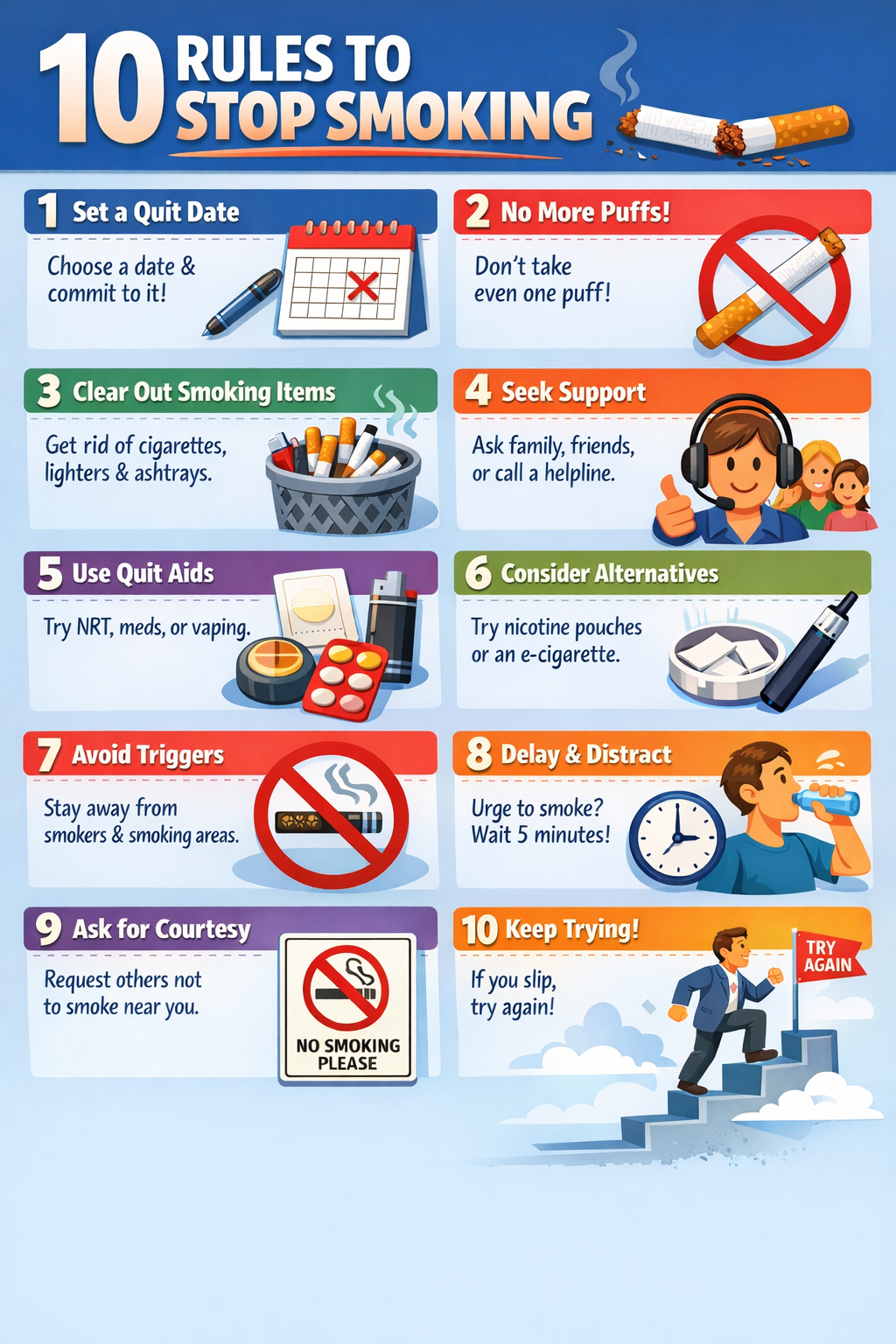
    Here are the 10 rules for quitting smoking (PDF):

    1. Make a firm commitment in writing, set a date to stop smoking in the next few days, and stick to it.
    2. Once you quit, do not touch a cigarette, not even one puff.
    3. Throw away all your tobacco, ashtrays, and lighters.
    4. Ask your family, friends, a doctor or a specialist clinic for help and support, or call a helpline.
    5. Follow a treatment programme: nicotine replacement therapy, bupropion, varenicline or cytisine, and use these medicines in conjunction with medical supervision.
    6. Or switch to another source of nicotine (e-cigarettes, nicotine pouches) or a tobacco product that is not burned (snus, heated tobacco for a few weeks).
    7. Avoid smokers and places where you used to smoke.
    8. If you have a strong urge to smoke, wait a few minutes—it will pass after 5 minutes—and take nicotine to relieve the urge (e.g., a patch or e-cigarette).
    9. Ask people to avoid smoking in your presence.
    10. Persevere, try again if you fail. You may need several attempts to succeed, but you will eventually get there.

  • Quitting smoking

    Quitting smoking

    In this section, you will find everything you need to know to stop smoking for good:
    10 rules to stop smoking,
    – post cessation weight gain,
    addiction and withdrawal symptoms,
    – effective methods and treatments,
    – avoiding relapses,
    – the health benefits of quitting smoking
    – Addresses: helplines, doctors and clinics, discussion forums