
Tag: heated tobacco

  • Heated tobacco

    Heated tobacco

    The tobacco market has been undergoing a quiet but powerful revolution for the last decade with the emergence of “Heated Tobacco Products” (HTPs). These devices appeal to a growing number of smokers looking for an experience similar to cigarettes, but without burning tobacco. However, behind the technological innovation lies a major public health controversy.


    What is Heated Tobacco?

    Unlike traditional cigarettes, which burn tobacco at temperatures exceeding 800 °C, heated tobacco systems use an electrical resistor to heat the tobacco to a much lower temperature, generally between 250 and 350 °C. This process generates an aerosol rich in nicotine and flavorings, without reaching the threshold of combustion.

    The major players in this market are the tobacco giants. IQOS (produced by Philip Morris International), Ploom (Japan Tobacco International) and Glo (British American Tobacco) dominate the offer, using specially treated small tobacco cigarettes (called “sticks” or “refills”).

    Aerosol vs. Smoke: The Chemical Difference

    The main selling point of HTPs is based on the absence of combustion. Combustion is indeed responsible for producing the majority of the toxins contained in cigarette smoke, such as carbon monoxide, tar, and polycyclic aromatic hydrocarbons.

    It is true that the aerosol generated by heated tobacco exhibits significantly reduced levels of toxic substances compared to conventional cigarette smoke, with reductions ranging from 80% to over 95% for certain compounds. However, the aerosol is not devoid of harmful substances. It still contains nicotine, as well as volatile organic compounds and other potentially dangerous chemicals, albeit in smaller quantities. Even if there is no combustion, there is pyrolysis, and the aerosol can be still qualified as smoke. It is by no means clean air.

    Impact on Exposure and Health

    Heated tobacco users therefore inhale a lower quantity of toxins, and the US FDA (Food and Drugs Administration) authorized PMI, the manufacturer of IQOS, to advertise it as a reduced-exposure product (but not reduced-risk). However, users maintain a level of nicotine exposure comparable to that of a cigarette. The essential public health question is whether this reduction in exposure translates into a significant reduction in risk. Long-term data is sorely lacking to answer this crucial question. Independent health organizations, such as the World Health Organization (WHO), emphasize that HTPs are not harmless and that it is impossible, at this stage, to quantify the actual risk reduction compared to conventional cigarettes. Switching from cigarettes to heated tobacco means replacing a very high risk with an undetermined risk. Only complete cessation of tobacco eliminates the risk.

    Does Heated Tobacco Help Quitting Cigarettes ?

    Current data are insufficient to confirm or refute the claim that using heated tobacco increases the chances of quitting smoking. Some users may engage in dual use (smoking cigarettes and using HTPs), a pattern that may be a useful intermediate step toward quitting smoking, even if it does not offer any health benefits in itself.

    However, HTPs are one of the most frequently used aids by people who have successfuly quit smoking, and some initial rersearch suggests that they are effective as smoking cessation aids.

    The Japan Effect

    The impact of heated tobacco on the market in Japan has been spectacular. Following the introduction of IQOS in 2014, sales figures rose steadily, while cigarette sales in Japan fell by half. The market share of HTPs is now roughly equal to that of cigarettes. It is very likely that there is a causal link between these two events. In other regions, such as the United States or Europe, prevalence of use remains lower, but it is increasing.

    Overall Impact

    The overall public health impact is debated. Advocates of harm reduction argue that even a slight reduction in toxins for smokers who cannot quit is progress. Opponents fear that the existence of these products undermines prevention efforts by making tobacco use more socially acceptable, hinders complete cessation, and creates a new generation of nicotine users, even though HTPs are seldom used by never-smokers.


    References

    Auer R, Concha-Lozano N, Jacot-Sadowski I, Cornuz J, Berthet A. Heat-Not-Burn Tobacco Cigarettes: Smoke by Any Other Name. JAMA Intern Med. 2017;177(7):1050–1052. doi:10.1001/jamainternmed.2017.1419

    Cummings KM, Roberson A, Levy DT, et al. Transformation of the tobacco product market in Japan, 2011–2023. Tobacco Control Published Online First: 29 October 2024. doi: 10.1136/tc-2024-058734

    Caponnetto P, Campagna D, Maglia M, Benfatto F, Emma R, Caruso M, Caci G, Busà B, Pennisi A, Ceracchi M, Migliore M, Signorelli M. Comparing the Effectiveness, Tolerability, and Acceptability of Heated Tobacco Products and Refillable Electronic Cigarettes for Cigarette Substitution (CEASEFIRE): Randomized Controlled Trial. JMIR Public Health Surveill. 2023 Apr 4;9:e42628. doi: 10.2196/42628. PMID: 37014673; PMCID: PMC10131829.

    Jackson SE, Brown J, Buss V, Shahab L. Prevalence of Popular Smoking Cessation Aids in England and Associations With Quit Success. JAMA Netw Open. 2025;8(1):e2454962. doi:10.1001/jamanetworkopen.2024.54962


    Use the ‘Comments’ field below to share your experience with heated tobacco or to suggest improvements to this page.

  • IQOS

    IQOS

    Here is a summary about IQOS: what it is, how it works, the difference between combustion and pyrolysis, the composition of the aerosol compared to cigarette smoke, nicotine exposure: amount and speed of absorption into the blood and brain, can it help smokers quit, impact on cigarette sales in Japan, who should and should not use it, the fact that the US FDA has authorized it as a reduced exposure product but not as a reduced risk product, does it reduce health risks compared to cigarettes, impact on PMI’s sales and profits, the problem of the scarcity of manufacturer-independent research, and the controversy surrounding tobacco harm reduction. Use a journalistic style without bullet points or numbered lists, and avoid words, phrases, and transitional sentences typical of AI-generated content.

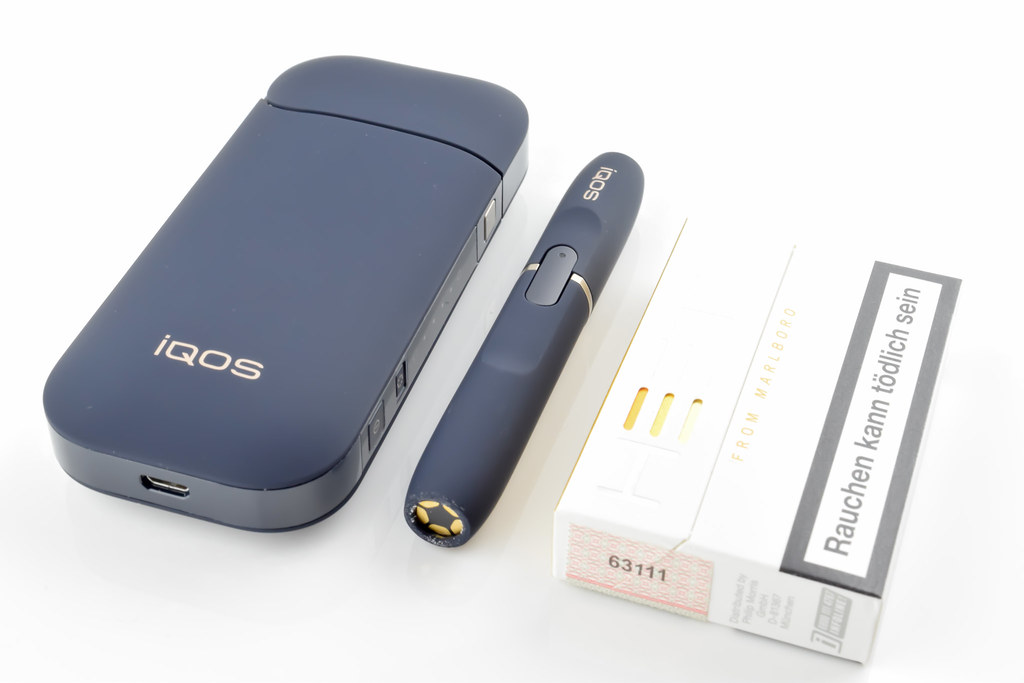
    IQOS, the flagship heated tobacco product from Philip Morris International (PMI), has become a fixture in the global debate over smoking and public health. Marketed as a revolutionary alternative to cigarettes, the device and its success, particularly in Japan, represent a high-stakes experiment in the contentious world of tobacco harm reduction.

    How Heating Differs from Burning

    At its core, IQOS is an electronic device designed to heat specially prepared tobacco sticks, called HEETS or HeatSticks, to a precise temperature, typically around 350 °C. This is the crucial distinction from a conventional cigarette, which combusts tobacco at temperatures often exceeding 800 °C.

    The difference lies in the process: Cigarettes rely on combustion (burning), which generates smoke filled with complex byproducts, including solid particles and toxic chemicals.5 IQOS employs a process closer to pyrolysis (thermal decomposition in the absence of oxygen). This heating process generates an aerosol—a vapor composed primarily of nicotine and water, rather than smoke.6

    What’s In the Cloud: Aerosol Composition

    Because it avoids combustion, the aerosol produced by IQOS contains significantly lower levels of many harmful and potentially harmful chemical constituents compared to cigarette smoke.7 Manufacturer-sponsored studies often claim reductions of 90-95% for certain key toxicants, excluding nicotine.8 However, independent research has noted that while levels of many harmful substances are indeed reduced, the aerosol still contains nicotine and measurable concentrations of some toxicants, and the full long-term health impact is not yet known.9 Some independent analyses have even noted that certain chemicals may be present in higher concentrations compared to traditional smoke.10

    Nicotine Delivery and Addiction

    The device is specifically engineered to ensure that the user receives an amount and rate of nicotine absorption comparable to smoking a conventional cigarette.11 While the nicotine content in the specific tobacco sticks might be lower than in a cigarette, the delivery mechanism is highly efficient.12 This rapid and substantial dose of nicotine is what makes the product satisfying to current smokers, but it also ensures the user remains exposed to and dependent on an addictive substance.13 The amount of nicotine absorbed is similar to a cigarette, establishing a theoretical one-to-one usage ratio.14

    The Japan Experiment: Impact on Cigarette Sales

    Japan has become the key real-world laboratory for heated tobacco products.15 Following the widespread introduction of IQOS in 2014-2015, independent studies noted a dramatic, accelerated decline in sales of traditional cigarettes.16 Where cigarette sales were already falling slowly, the decline accelerated significantly, suggesting that a large number of smokers in Japan made a complete switch to the heated product.17 The experience there is frequently cited as proof that heated tobacco products can displace cigarette are are an alternative to them. Smoking rates among the general japanese population may not change as a result, as IQOS users may continue to smoke a few cigarettes.

    The Regulatory Status: Reduced Exposure, Not Reduced Risk

    In the United States, the Food and Drug Administration (FDA) authorized IQOS for marketing with a reduced exposure claim in 2020. This allows the company to communicate that “Scientific studies have shown that switching completely from conventional cigarettes to the IQOS system significantly reduces your body’s exposure to harmful or potentially harmful chemicals.”18

    Crucially, the FDA explicitly stated that this authorization did not mean IQOS had been proven to reduce the risk of disease or harm.19 The agency found that the evidence did not yet support a reduced risk claim, meaning users cannot assume that switching guarantees an improvement in long-term health outcomes compared to continued smoking, though the exposure is lower.

    Who Should Use It?

    IQOS is not a smoking cessation product; it is a tobacco product. Health authorities and the manufacturer agree that the product is intended only for adult smokers who would otherwise continue to smoke.20 It should not be used by non-smokers, former smokers, or young people, as it delivers addictive nicotine and carries health risks.21 Whether it genuinely helps smokers quit completely, rather than merely switching products, remains a subject of ongoing debate and research.

    The Conflict of Research and Profit

    The majority of the data initially supporting IQOS’s reduced-exposure claims came from PMI-sponsored studies, leading to persistent concerns within the public health community about the scarcity of fully manufacturer-independent research. While the number of independent studies is growing, there remains a lack of long-term data on health outcomes.22

    The controversy is central to the broader tobacco harm reduction debate.23 Advocates argue that providing a significantly less harmful nicotine delivery system offers smokers who are unwilling or unable to quit an invaluable path away from deadly cigarettes.24 Critics fear that these products, while potentially less harmful than smoking, risk addicting a new generation of users, undermine decades of successful tobacco control efforts, and serve primarily to boost the profits of tobacco companies like PMI, whose market share and revenue have significantly benefited from the global uptake of IQOS.

    The verdict on whether heated tobacco products serve the overall public health interest will not be rendered by initial sales figures or regulatory labels, but by decades of independent research tracking population health outcomes.


    Use the Comments field below to share your experience with IQOS or to suggest improvements to this article.


  • Nicotine and tobacco products

    Nicotine and tobacco products

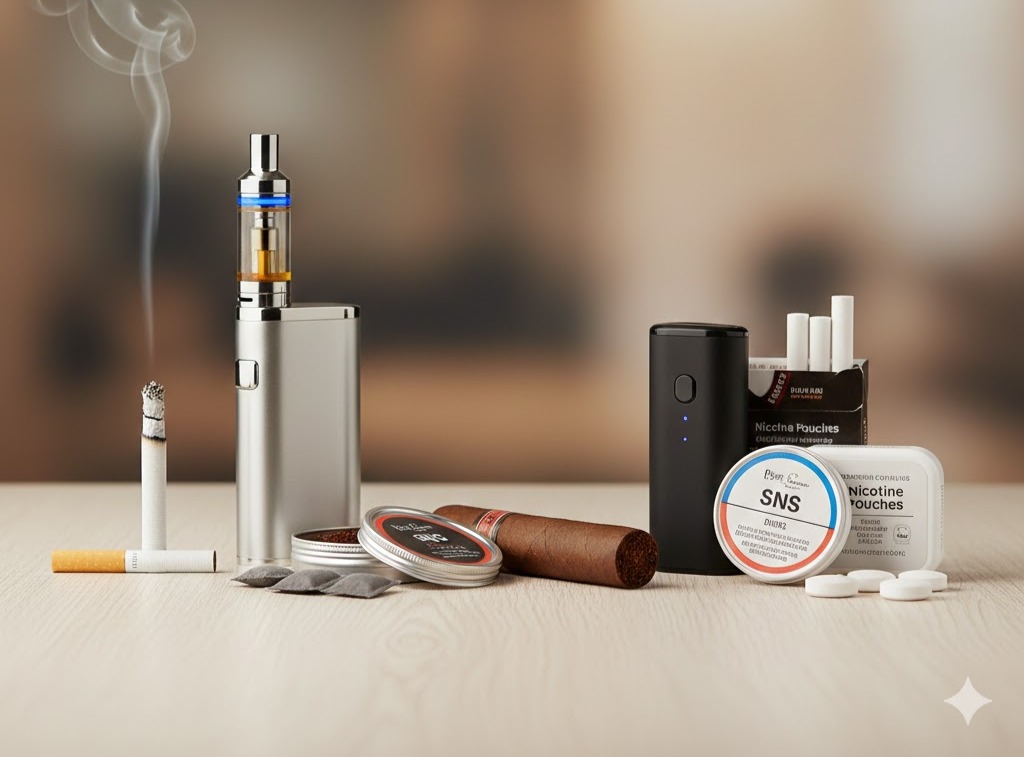
    In this section, you will find reliable information on tobacco and nicotine products, including cigarettes, electronic cigarettes, heated tobacco, nicotine pouches, cigars and snus.