Here is a summary about IQOS: what it is, how it works, the difference between combustion and pyrolysis, the composition of the aerosol compared to cigarette smoke, nicotine exposure: amount and speed of absorption into the blood and brain, can it help smokers quit, impact on cigarette sales in Japan, who should and should not use it, the fact that the US FDA has authorized it as a reduced exposure product but not as a reduced risk product, does it reduce health risks compared to cigarettes, impact on PMI’s sales and profits, the problem of the scarcity of manufacturer-independent research, and the controversy surrounding tobacco harm reduction. Use a journalistic style without bullet points or numbered lists, and avoid words, phrases, and transitional sentences typical of AI-generated content.
IQOS, the flagship heated tobacco product from Philip Morris International (PMI), has become a fixture in the global debate over smoking and public health. Marketed as a revolutionary alternative to cigarettes, the device and its success, particularly in Japan, represent a high-stakes experiment in the contentious world of tobacco harm reduction.
How Heating Differs from Burning
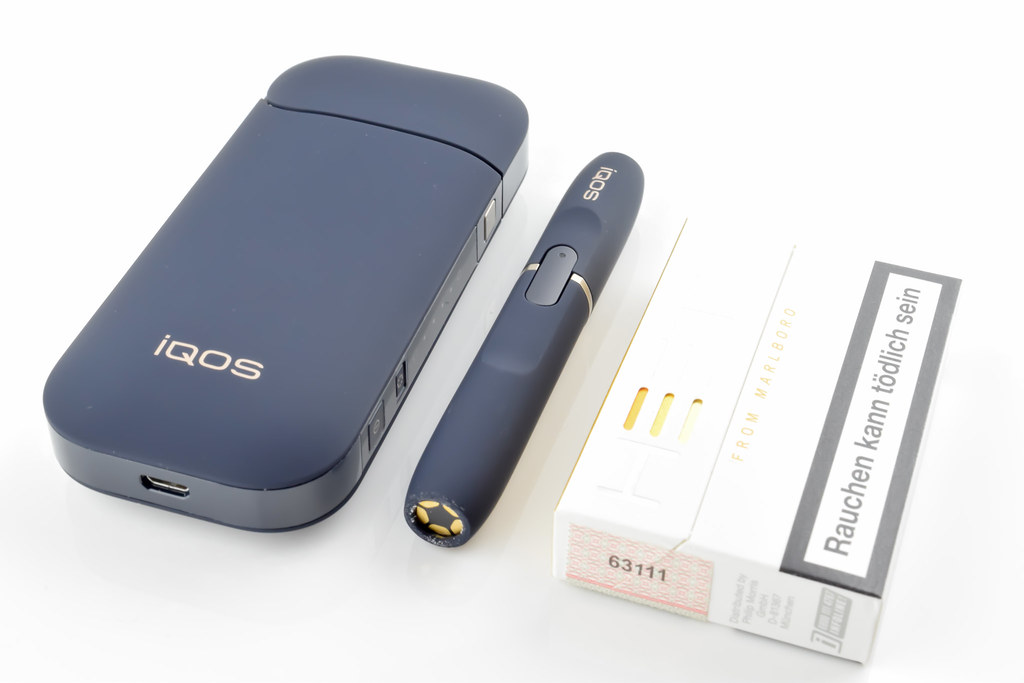
At its core, IQOS is an electronic device designed to heat specially prepared tobacco sticks, called HEETS or HeatSticks, to a precise temperature, typically around 350 °C. This is the crucial distinction from a conventional cigarette, which combusts tobacco at temperatures often exceeding 800 °C.
The difference lies in the process: Cigarettes rely on combustion (burning), which generates smoke filled with complex byproducts, including solid particles and toxic chemicals.5 IQOS employs a process closer to pyrolysis (thermal decomposition in the absence of oxygen). This heating process generates an aerosol—a vapor composed primarily of nicotine and water, rather than smoke.6
What’s In the Cloud: Aerosol Composition
Because it avoids combustion, the aerosol produced by IQOS contains significantly lower levels of many harmful and potentially harmful chemical constituents compared to cigarette smoke.7 Manufacturer-sponsored studies often claim reductions of 90-95% for certain key toxicants, excluding nicotine.8 However, independent research has noted that while levels of many harmful substances are indeed reduced, the aerosol still contains nicotine and measurable concentrations of some toxicants, and the full long-term health impact is not yet known.9 Some independent analyses have even noted that certain chemicals may be present in higher concentrations compared to traditional smoke.10
Nicotine Delivery and Addiction
The device is specifically engineered to ensure that the user receives an amount and rate of nicotine absorption comparable to smoking a conventional cigarette.11 While the nicotine content in the specific tobacco sticks might be lower than in a cigarette, the delivery mechanism is highly efficient.12 This rapid and substantial dose of nicotine is what makes the product satisfying to current smokers, but it also ensures the user remains exposed to and dependent on an addictive substance.13 The amount of nicotine absorbed is similar to a cigarette, establishing a theoretical one-to-one usage ratio.14
The Japan Experiment: Impact on Cigarette Sales
Japan has become the key real-world laboratory for heated tobacco products.15 Following the widespread introduction of IQOS in 2014-2015, independent studies noted a dramatic, accelerated decline in sales of traditional cigarettes.16 Where cigarette sales were already falling slowly, the decline accelerated significantly, suggesting that a large number of smokers in Japan made a complete switch to the heated product.17 The experience there is frequently cited as proof that heated tobacco products can displace cigarette are are an alternative to them. Smoking rates among the general japanese population may not change as a result, as IQOS users may continue to smoke a few cigarettes.
The Regulatory Status: Reduced Exposure, Not Reduced Risk
In the United States, the Food and Drug Administration (FDA) authorized IQOS for marketing with a reduced exposure claim in 2020. This allows the company to communicate that “Scientific studies have shown that switching completely from conventional cigarettes to the IQOS system significantly reduces your body’s exposure to harmful or potentially harmful chemicals.”18
Crucially, the FDA explicitly stated that this authorization did not mean IQOS had been proven to reduce the risk of disease or harm.19 The agency found that the evidence did not yet support a reduced risk claim, meaning users cannot assume that switching guarantees an improvement in long-term health outcomes compared to continued smoking, though the exposure is lower.
Who Should Use It?
IQOS is not a smoking cessation product; it is a tobacco product. Health authorities and the manufacturer agree that the product is intended only for adult smokers who would otherwise continue to smoke.20 It should not be used by non-smokers, former smokers, or young people, as it delivers addictive nicotine and carries health risks.21 Whether it genuinely helps smokers quit completely, rather than merely switching products, remains a subject of ongoing debate and research.
The Conflict of Research and Profit
The majority of the data initially supporting IQOS’s reduced-exposure claims came from PMI-sponsored studies, leading to persistent concerns within the public health community about the scarcity of fully manufacturer-independent research. While the number of independent studies is growing, there remains a lack of long-term data on health outcomes.22
The controversy is central to the broader tobacco harm reduction debate.23 Advocates argue that providing a significantly less harmful nicotine delivery system offers smokers who are unwilling or unable to quit an invaluable path away from deadly cigarettes.24 Critics fear that these products, while potentially less harmful than smoking, risk addicting a new generation of users, undermine decades of successful tobacco control efforts, and serve primarily to boost the profits of tobacco companies like PMI, whose market share and revenue have significantly benefited from the global uptake of IQOS.
The verdict on whether heated tobacco products serve the overall public health interest will not be rendered by initial sales figures or regulatory labels, but by decades of independent research tracking population health outcomes.
Use the Comments field below to share your experience with IQOS or to suggest improvements to this article.




Leave a Reply