
Category: treatments

Treatments of nicotine dependence, and treatments that attenuate withdrawal symptoms

  • Cognitive Behavioral Therapy (CBT)

    Cognitive Behavioral Therapy (CBT)

    Quitting smoking is best done with the support of a therapist. While nicotine replacement therapies and medications often play a role, a powerful non-pharmacological tool is increasingly being recognized for its effectiveness: Cognitive Behavioral Therapy (CBT).

    CBT, at its core, is a structured, goal-oriented approach to psychological treatment. But when applied to smoking cessation, it becomes a sophisticated strategy designed to dismantle the mental machinery that keeps the habit alive.

    The Core Idea: Thoughts, Feelings, and Actions

    CBT operates on the principle that our thoughts, feelings, and actions are interconnected. In the context of smoking, the act of lighting up isn’t just a physical craving; it’s often the final step in a chain of automatic thoughts and emotional responses.

    For example, a stressful day at work might trigger the thought, “A cigarette will calm me down.” This thought leads to feelings of anxiety relief and, finally, the action of smoking. CBT aims to break this chain by identifying and modifying the unhelpful thoughts and behaviors that serve as “triggers.”

    How a Session Unfolds

    CBT for smoking cessation is typically delivered over several sessions, either individually or in a group setting. It is not a casual chat; it involves active work and strategy building.

    First, the therapist and patient establish a precise functional analysis of the smoking habit. This means meticulously tracking when, where, and why the person smokes. It seeks to answer the crucial question: what function does the cigarette actually serve? Is it a social crutch, a mechanism for managing stress, or a way to fight boredom?

    Once these triggers are mapped out, the core techniques of CBT come into play:

    Cognitive Restructuring: This involves challenging and replacing the nicotine-related beliefs that have been ingrained over years. For instance, the thought “I can’t handle stress without a cigarette” is challenged with evidence and alternative, more constructive coping statements, such as “I can manage stress by taking a short walk or using deep breathing.”

    Behavioral Skills Training: Patients are taught concrete strategies to avoid and cope with high-risk situations. This includes stimulus control—changing environmental cues that trigger smoking (like moving an armchair where they always smoked)—and coping skills training, which equips them with alternatives to smoking when a craving hits. This might be a physical activity, a relaxation technique, or a simple distraction method.

    Relapse Prevention: This is a crucial final phase. It prepares the individual for inevitable slip-ups or cravings by viewing them not as failures, but as temporary setbacks that can be learned from. Patients develop a tailored “escape plan” for high-risk situations in the future.

    Who Benefits and Who Should Be Cautious?

    CBT has demonstrated significant effectiveness, particularly when combined with pharmacological aids like Varenicline or Nicotine Replacement Therapy (NRT). Studies show that by addressing both the physical addiction and the psychological dependence, the chances of sustained abstinence are substantially higher.

    It is highly suitable for:

    • Individuals with strong psychological dependence: Those whose smoking is heavily tied to emotional states, stress, or specific environments.
    • Smokers with co-occurring anxiety or depression: CBT is often a first-line treatment for these conditions, making it a powerful dual-purpose tool.
    • Those who have tried other methods and relapsed: CBT offers a fresh approach by focusing on the underlying thought patterns that led to the return of the habit.

    It may be less suitable for:

    • Individuals unwilling to engage in introspection: CBT requires motivation and a willingness to examine one’s own thoughts and challenge long-held beliefs. It is an active process that requires homework and commitment.

    Rate this article by clicking on the desired number of stars:
    1 Star2 Stars3 Stars4 Stars5 Stars (1 votes, average: 5.00 out of 5)
    Loading...

    Please use the “Comments” field below to share your experience or suggest improvements to this article.
  • Nicotine gum

    Nicotine gum

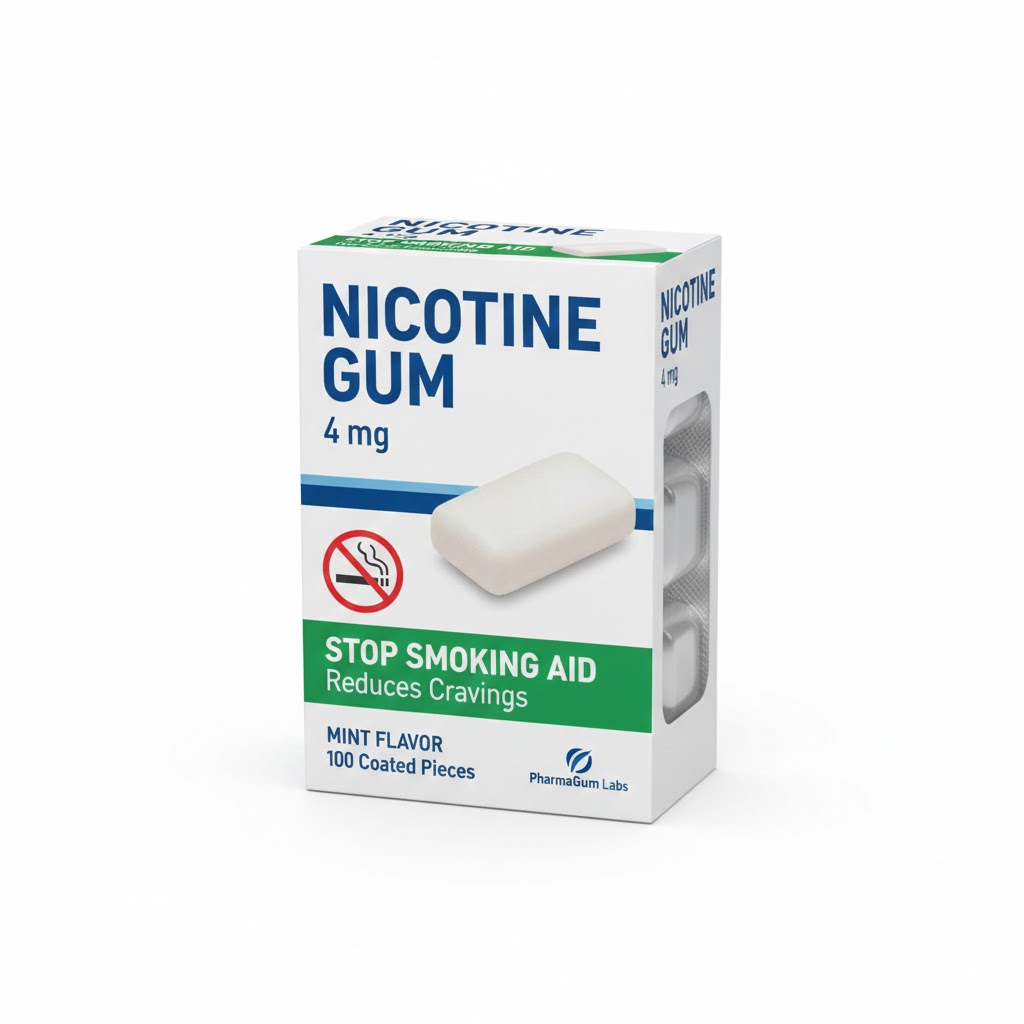
    For decades, nicotine replacement therapy (NRT) has been helping smokers quit. Nicotine gums are designed to treat physical dependence on nicotine by releasing a controlled dose through the oral mucosa, thus avoiding the thousands of harmful chemicals present in tobacco smoke and reducing cravings and other nicotine withdrawal symptoms.

    What is Nicotine Gum and How Does It Work?

    Nicotine gum is exactly what its name implies: a piece of specially formulated chewing gum containing medicinal nicotine. Unlike regular chewing gum, it is designed to be “parked” between the cheek and the gum after a few chews, allowing the nicotine to be absorbed slowly into the bloodstream. This process helps to smooth out the craving cycles that derail many quit attempts. The active ingredient, nicotine, is present in a polacrilex resin that controls its release. The gum often contains flavorings, sweeteners, and buffering agents to facilitate absorption and manage taste.

    Crucially, the gum’s approval extends beyond simply quitting cold turkey. It is also sanctioned for smoking reduction, allowing highly dependent smokers to cut back their cigarette consumption before fully stopping, and for pre-treatment (or ‘pre-quitting’), where users start the gum a week or two before their target quit date to lower their dependence baseline, thereby increasing the chances of success when the final stop occurs.

    Dosage: The Critical Difference Between Success and Relapse

    The efficacy of nicotine gum hinges on using the correct strength and quantity. It is available in two main dosages: 2 mg and 4 mg. The choice between these is directly tied to the individual’s level of nicotine dependence, which is typically measured by the time elapsed between waking up and smoking the first cigarette.

    Smokers who light up their first cigarette more than 30 minutes after waking are generally advised to start with the 2 mg dose. However, those who smoke their first cigarette within 30 minutes of waking, or who smoke more than 20 cigarettes per day, should begin with the 4 mg strength.

    This emphasis on starting with an adequate dose is vital because underdosing is a primary reason for treatment failure. If the nicotine supply is not enough to counteract the withdrawal symptoms—such as irritability, anxiety, intense cravings, and lack of concentration—the smoker’s brain will signal an overwhelming need for a cigarette, often leading to a quick return to tobacco. Healthcare providers often recommend chewing a piece every hour or every 90 minutes initially, or whenever an intense craving strikes, with a typical limit of 15 to 20 pieces per day. The nicotine gum should be chewed slowly for about 30 minutes, alternating between chewing and placing it between the cheek and teeth (“chew and park”).

    Duration

    The treatment is not meant to be indefinite. A standard course of treatment is about 12 weeks, followed by a gradual reduction. For instance, the user might gradually decrease the total number of pieces chewed per day over several weeks until they are no longer using the gum at all. It is paramount that users do not stop treatment prematurely. Stopping too soon, perhaps out of a false sense of security after a few weeks of success, exposes the person to the full force of lingering cravings and other nicotine withdrawal symptoms, dramatically increasing the risk of relapse. Some individuals may benefit from remaining on the gum for six months or more, as the small, controlled nicotine exposure is infinitely safer than returning to combustion.

    Side effects

    Side effects are usually mild and related to improper chewing technique. Chewing too fast can release too much nicotine at once, leading to minor stomach upset, hiccups, or a slight burning sensation in the mouth.

    Special Populations and Public Health Impact

    Nicotine gum is contraindicated for children under the age of 12.

    Regarding pregnancy and breastfeeding, the general consensus is that while no nicotine product is entirely risk-free, the use of NRTs—including gum—is overwhelmingly safer than continued smoking. The carbon monoxide and thousands of toxins in smoke pose a massive risk to the fetus and infant, whereas NRT provides pure nicotine in a controlled manner. Use during pregnancy and breastfeeding should always be under medical supervision.

    In the broader context of public health, NRTs like the gum represent the gold standard of tobacco harm reduction (THR). They are fundamentally distinct from the controversial use of nicotine delivery systems like e-cigarettes or heated tobacco products, as they are tested, regulated pharmaceuticals with decades of data proving their safety and efficacy for smoking cessation or reduction. The gum’s role is to help people sever the link between nicotine and the lethal practice of inhaling smoke.


    Use the ‘Comments’ field below to share your experience with the nicotine gum or to suggest improvements to this article.


  • Bupropion (Zyban)

    Bupropion (Zyban)

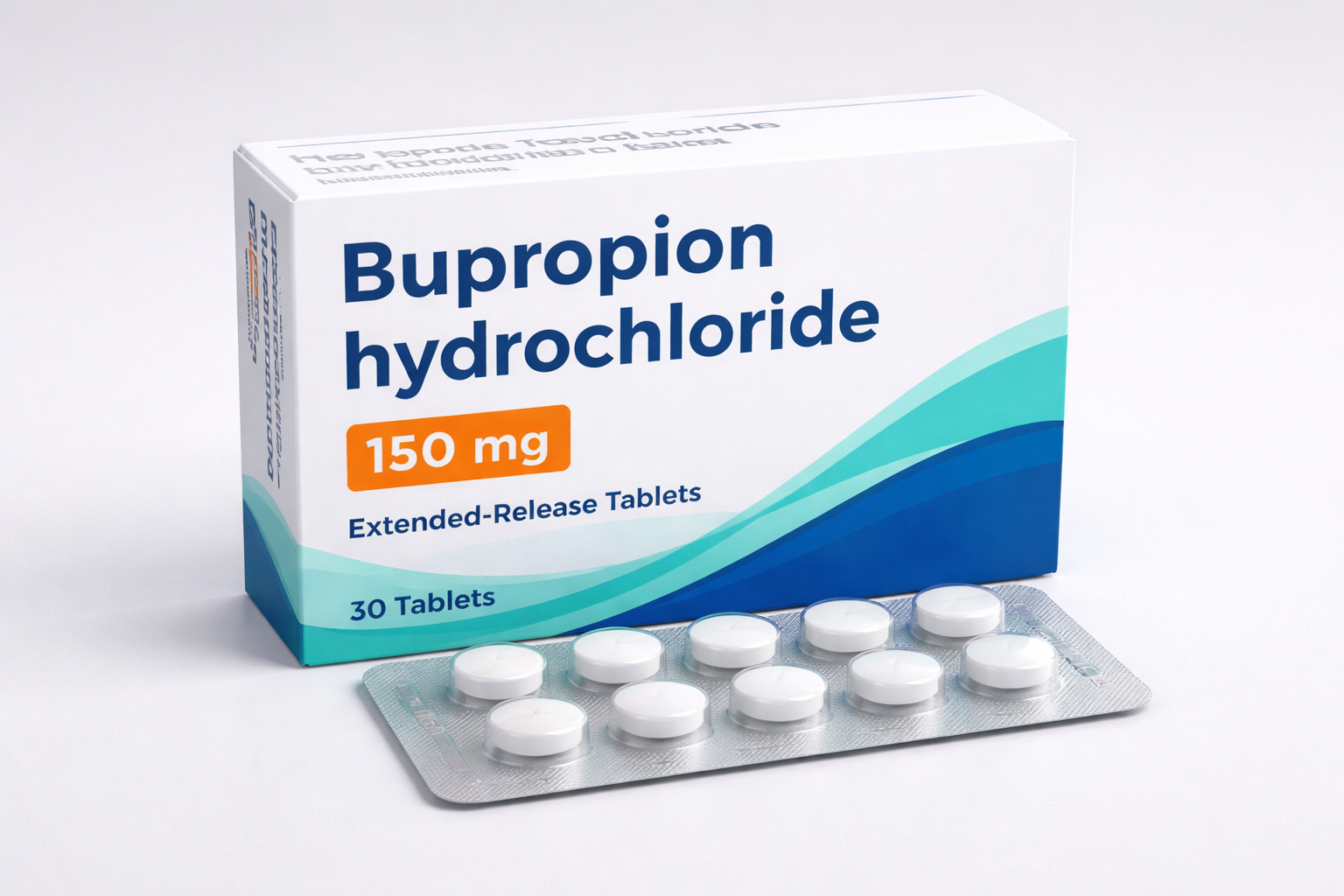
    When it comes to quitting smoking, nicotine replacement therapies are not the only option available. For some smokers, particularly those who struggle with the psychological aspects of withdrawal, a medication alternative called bupropion, marketed under the name Zyban, can prove decisive.

    Bupropion is not a nicotine substitute; it is an atypical antidepressant serendipitously discovered to be effective in smoking cessation. Its mechanism of action relies on modifying the levels of certain neurotransmitters in the brain, notably dopamine and norepinephrine. By acting on these chemical substances, Bupropion manages to reduce the intensity of the urge to smoke and alleviate the unpleasant symptoms of withdrawal, such as irritability, anxiety or depressed mood, which are often major factors leading to relapse.

    Treatment Protocol and Dosage

    Treatment with Bupropion is a commitment that generally lasts seven to nine weeks. It is crucial that the patient starts taking the medication one to two weeks before their set quit date. This preparation phase is essential to allow Bupropion to reach an optimal therapeutic concentration in the blood before complete cessation is initiated.

    The usual dosage starts with one 150 mg tablet once daily for the first six days. From the seventh day, the dose is typically increased to 150 mg twice daily, ensuring that doses are spaced at least eight hours apart. It is imperative not to exceed 300 mg per day. This gradual increase is necessary to ensure maximum efficacy and to minimize side effects. The importance of a sufficient dose is central: if the smoker continues to feel a strong urge to smoke or significant withdrawal symptoms, it means the treatment is not fully effective, requiring careful medical monitoring to ensure the dosage is adequate and adhered to.

    Experts emphasize the importance of never stopping treatment prematurely. Even after successfully quitting smoking, it is recommended to continue the therapy until the end of the prescribed cycle to consolidate cessation and prevent the risk of relapse, which is particularly high in the first few weeks.

    For the user, the main recommendation is to strictly follow the doctor’s instructions, especially the timing of quitting smoking during the course of treatment. It is essential not to take a double dose if one is missed and to immediately inform the doctor of any changes in behavior or mood.

    Efficacy and Profile of Beneficiaries

    Clinical studies have shown that Bupropion roughly doubles the success rate of cessation compared to a placebo. Its efficacy is comparable to nicotine replacement therapy and is enhanced when combined with behavioral support.

    Bupropion is particularly beneficial for a specific category of smokers: those with a history of mood disorders, especially depression. Since it has antidepressant activity, it helps not only with quitting smoking but also with preventing the onset or worsening of depressive symptoms that may occur during withdrawal.

    If you feel depressed or have suicidal thoughts, consult your doctor immediately or go to the nearest hospital.

    Side Effects and Contraindications

    Like any medicinal treatment, Bupropion has side effects and strict contraindications. The most common side effects include dry mouth and, very frequently, insomnia, which is why the second daily dose should be taken in the early afternoon, far from bedtime.

    The most severe contraindication concerns seizure disorders or any factor that lowers the seizure threshold (such as a head injury or alcohol abuse), as Bupropion slightly increases the risk of seizures. It is also strictly contraindicated in cases of eating disorders (anorexia or bulimia) or during abrupt alcohol or benzodiazepine withdrawal. A thorough medical examination is therefore essential before any prescription.

    Serotonin syndrome (a potentially life-threatening condition) may occur, particularly when bupropion is taken in excessive doses or in combination with medications that affect serotonin levels.

    Pregnancy, Breastfeeding, and User Recommendations

    Regarding pregnancy and breastfeeding, Bupropion is generally not recommended. In the absence of robust safety data and considering potential risks to the fetus or infant, the first line of treatment for pregnant women remains the use of Nicotine Replacement Therapies, always under close medical supervision, or cessation without medicinal aid.


    Use the “Comments” field below to share your experience with bupropion or to suggest improvements to this page.


  • Dosage of nicotine medications

    Dosage of nicotine medications

    Quitting smoking is not won solely by willpower, but largely through a correctly calibrated nicotine replacement strategy (NRT). For thousands of smokers NRT represents invaluable help, provided the correct dose is used—one that will extinguish the compelling urge to light a cigarette and other nicotine withdrawal symptoms. The equation is simple: the stronger the dependence, the greater the initial nicotine intake must be.

    Determining the Right Dose: The Fagerström Test as a Guide

    Assessing dependence is essential before starting effective treatment. Specialists often rely on two simple indicators: the number of cigarettes smoked per day and, most importantly, the time elapsed between waking up and the first cigarette.

    A smoker who consumes fewer than 10 cigarettes per day or waits more than an hour after waking up for their first puff is considered weakly dependent. For them, lower doses of oral substitutes will often suffice, possibly combined with a low-dose patch.

    Conversely, if consumption exceeds 15 cigarettes or if the first cigarette is smoked within 30 minutes of waking up, the dependence is judged to be strong to very strong. In this case, it is imperative to start with a high-dose patch (often 21 mg/24h or 25 mg/16h) and systematically combine it with a fast-acting oral form to manage unexpected craving spikes. For heavy smokers (more than 15 cigarettes), it is sometimes necessary to use two patches simultaneously to reach the required replacement dose.

    Forms of Substitution

    Each type of substitute delivers nicotine according to a different kinetic, justifying their combined or targeted use:

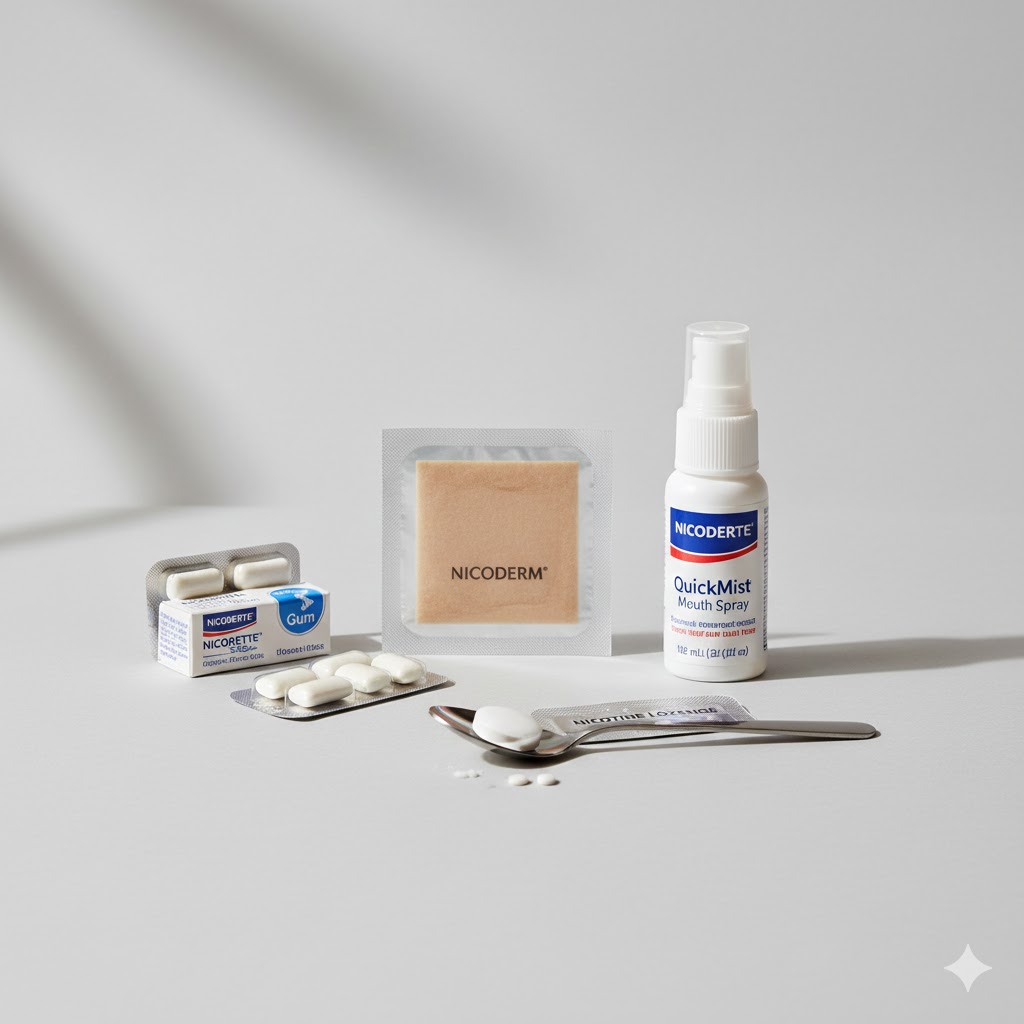
    • Patches: They ensure continuous, slow diffusion of nicotine into the body over sixteen or twenty-four hours. They constitute the background treatment, aiming to maintain stable nicotine levels and prevent constant withdrawal. Dosing typically ranges from 7 to 21 mg (or 10 to 25 mg for 16h), with a gradual weaning protocol over about eight to twelve weeks, reducing the dose in stages.
    • Gums, Micro-Tablets, and Lozenges: These oral forms deliver nicotine through the oral mucosa. They are essential for managing craving peaks. They are generally available in 2 mg doses for moderate dependence and 4 mg for strong dependence. They are taken on demand, typically eight to twelve times a day.
    • Mouth Sprays and Inhalers: These devices offer very rapid absorption, with the mouth spray being the quickest to counter a sudden urge, closely resembling the effect of a cigarette puff. They are used at a rate of one to two sprays per craving.

    The duration of this replacement treatment should be maintained for at least three months, with the goal of stabilizing the cessation, and then gradually reducing the nicotine intake over several weeks, or even months, depending on the comfort of the ex-smoker. Treatment can extend up to six or even twelve months if necessary, to prevent relapse.

    The Fear of Overdose: A Myth for the Smoker

    The key point, often misunderstood by the general public, is that it is rarely possible to overdose on nicotine replacement therapy.

    Healthcare professionals point out that the nicotine delivered by an NRT is absorbed more slowly and does not create the abrupt cerebral concentration peak of a cigarette. If the dosage is too high, the symptoms are generally mild and temporary: slight nausea, headaches, or palpitations. These signs are easily identifiable and simply call for a reduction in dose.

    Conversely, it is under-dosing that represents the true pitfall of quitting. An insufficient dose fails to satisfy the nicotine deficiency, leaving the door open to withdrawal symptoms (irritability, anxiety, hunger, difficulty concentrating) and, inevitably, to relapse. The message is clear: it is better to start with a strong dose and adjust downwards, rather than condemning oneself to failure through timid dosing.

    It is crucial not to stop treatment prematurely under the pretext of feeling “cured.” A hasty cessation, often after only a few weeks, exposes the former smoker to persistent craving and other nicotine withdrawal symptoms which can undermine efforts and lead to a return to smoking. Lasting success lies in this measured and fully dosed approach, taking the time for gradual reduction.


    Use the Comments field below to share your experience or to suggest improvements to this article.


  • Varenicline

    Varenicline

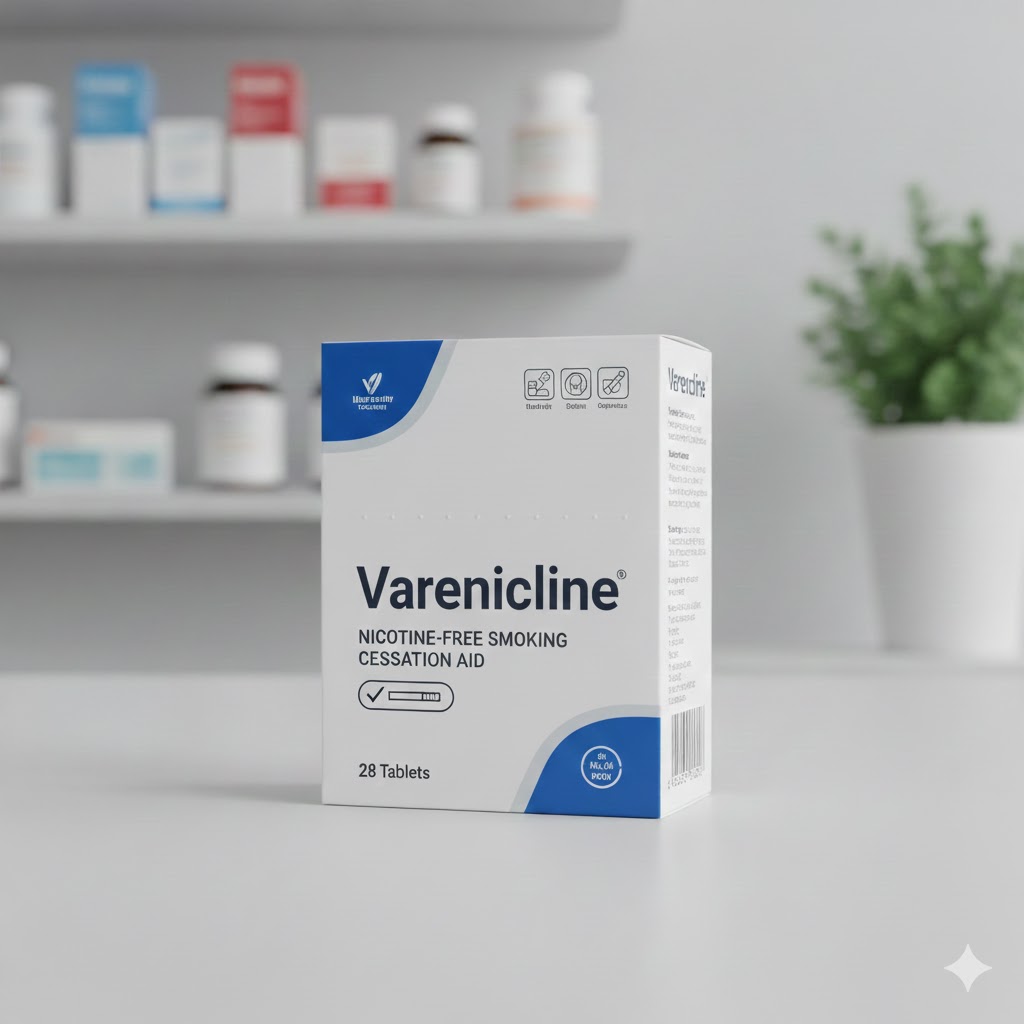
    Varenicline (brand names Chantix, Champix, and various generics) is an effective medication used to quit smoking. It is available only by prescription. This article will help you understand what varenicline is, how it works, and what you can expect if you choose to use it to quit smoking.

    What is Varenicline and How Does It Work?

    Varenicline is a prescription medication specifically designed to help adults stop smoking. It is not a form of nicotine replacement therapy (like patches or gum); instead, it works directly on the brain’s receptors.

    The Science Behind It

    Varenicline works in two critical ways. First, it reduces withdrawal and cravings. Nicotine causes your brain to release “feel-good” chemicals, such as dopamine. Varenicline acts as a partial agonist on the specific brain receptors called alpha-4 / beta-2 nicotinic acetylcholine receptors) that nicotine binds to. This action mimics nicotine, providing enough stimulation to significantly reduce the severe cravings and withdrawal symptoms that often make quitting so difficult. Second, it blocks the “reward”. If you smoke a cigarette while taking Varenicline, the medication blocks nicotine from attaching fully to the receptors. This prevents you from getting the same satisfying, rewarding feeling you usually do from smoking, thereby dulling the pleasure and making it easier to let go of the habit.

    In simple terms, Varenicline both reduces your need to smoke and reduces the satisfaction if you do smoke.

    Starting Your Varenicline Treatment

    Varenicline is typically started one week before your chosen quit date. This allows the medication to build up to effective levels in your system before you stop smoking entirely.

    Your doctor will provide a specific dosing schedule, but it generally follows a pattern designed to minimize side effects. You will usually start with a low dose of 0.5 mg once daily for the first three days to allow your body to adjust. On days four through seven, the dose increases to 0.5 mg twice daily, increasing the therapeutic level. From day eight until the end of the treatment, the full, effective dose is typically 1 mg twice daily.

    It is recommended to continue treatment for 12 weeks. If you successfully quit, your doctor may recommend another 12-week course to further solidify your abstinence.

    You must have a firm quit date set before starting this medication. Varenicline is not intended to just cut down—it is meant to help you stop completely.

    What to Expect and Potential Side Effects

    As with any medication, it is important to know what you might experience.

    Common Side Effects

    The most frequently reported side effects are generally mild and often decrease over time. The most common side effect is nausea. Taking the medication after a meal and with a full glass of water can help significantly reduce this. Some people report sleep disturbances, such as unusual dreams or insomnia. Taking the evening dose earlier in the day may help alleviate this. Other common effects include headache and fatigue.

    Important Safety Information

    While rare, Varenicline has been associated with changes in mood or behavior. You should immediately contact your healthcare provider if you experience new or worsening depression or anxiety, hostility or aggression, or thoughts of self-harm. Your doctor will monitor you closely during treatment. Be sure to discuss your medical history, especially any history of mental health issues or seizures, before starting the medication.

    Maximizing Your Success

    Varenicline is a powerful tool, but it works best when combined with behavioral support. You need to commit to your scheduled quit date and take the medication exactly as prescribed. Get support by using our website resources, attending support groups, or speaking with a quit-line counselor, as combining medication with counseling dramatically increases your chances of success. Identify triggers; while the medication helps with physical cravings, you still need to learn how to manage situations that make you want to smoke, such as having coffee, drinking alcohol, or feeling stressed. Finally, be patient. It may take a few weeks for the full effects to kick in, but stay committed to your goal.

    Ready to Take the Next Step?

    Your next step is to speak with a healthcare professional. They can determine if Varenicline is the right choice for you and help you during treatment.


    Disclaimer: Always consult a healthcare professional before starting to use varenicline.


  • Nicotine patch

    Nicotine patch


    An effective tool for quitting smoking

    The nicotine patch is a small, bandage-like patch that you apply directly to your skin, typically on your arm or torso. It’s designed to deliver a controlled, steady dose of nicotine into your bloodstream throughout the day. It provides you with nicotine in a controlled manner, without the harmful substances (tar, carbon monoxide) found in cigarette smoke.

    It is designed to alleviate the discomfort associated with cigarette withdrawal symptoms (craving for cigarettes, irritability, bad mood, depression, anxiety, difficulty consentrating, trouble sleeping, increased appetite and weight gain).

    How Does the Patch Work?

    The nicotine patch slowly releases nicotine through your skin, which is then absorbed by your body.

    The patch can be used by smokers who wish to quit smoking, but also by those who are not yet ready to quit and who continue to smoke while wearing the patch:

    • After you quit smoking, the patch relieves cravings and other nicotine withdrawal symptoms, so that you suffer less during the first days, weeks and months after quitting.
    • The patch increase your chances of successfully quitting smoking.
    • Smokers who are not ready to quit immediately can use nicotine patches for a few weeks before quitting smoking, in addition to cigarettes. This way, most of their nicotine needs will be met by the patch, they will smoke fewer cigarettes, and it will be easier for them to quit after a few weeks of combined use.
    • Smokers who do not wish to quit smoking, or feel unable to do so, can use nicotine patches to reduce their cigarette consumption. This means that part of their nicotine requirement will be satisfied by the patch, and they will smoke fewer cigarettes, thereby inhaling less smoke and fewer toxic components present in cigarette smoke. This dual use can be continued in the long term, over several months or years.

    Is the patch effective to quit smoking?

    In smokers willing to quit, a synthesis of 51 high-quality studies involving 25,754 participants concluded that nicotine patches increase their chances of quitting smoking by a factor of 1.64 (i.e. +64%), compared to a control group that did not use patches. However, it is difficult to quit smoking, and the median quit rate in the control group was only xx per cent after 6 months, while the quit rate in the group using the patch was xx per cent. This shows that the patch is effective, but that it only increases your chances of quitting smoking by a few percentage points.

    To increase your chances of quitting smoking, you can combine two nicotine medications, e.g. patch and gum, or patch and inhaler, or patch and tablet. This will further increase your chances of quitting by a factor x1.27 (i.e. +27%).

    There is evidence that higher-doses patches (21-25 mg) are more effective than lower doses patches (14-15 mg), and that patches with 42-44 mg are as effective as patched with 21-22 mg.

    The Importance of compliance and of not smoking after you quit, not even a puff

    For the treatment to be effective, you must follow the instructions. It is essential that you use the patch every day, at the recommended dosage, for 3 months after quitting smoking, without stopping the treatment prematurely. If you do not do so, you increase the risk of relapse.

    You can smoke while wearing the patch; it is not dangerous. However, it is best not to smoke at all after quitting, even a single puff, as this increases the risk of relapse.

    Consulting a healthcare professional (doctor, psychologist, pharmacist) can significantly increase your chances of success.

    How to Use the Patch?

    Some brands of patches are designed to be worn for 16 hours a day, from morning until bedtime. The idea is to simulate the fluctuations in nicotine levels experienced by a smoker without supplying nicotine during sleep, which could disrupt sleep. Other brands are designed to be worn for 24 hours. The idea is to reduce the urge to smoke and withdrawal symptoms in the morning.

    With the 16-hour patch that you remove before going to bed, you may wake up with very low nicotine levels in your blood and experience cigarette cravings and other nicotine withdrawal symptoms in the morning. The patch slowly releases nicotine through the skin, and you will not feel its full effects until two hours after applying it. Therefore, you should use the patch in combination with a faster-acting product, such as nicotine gum or lozenges, to avoid withdrawal symptoms in the morning.

    Dosage depends on your initial cigarette consumption:

    Heavy smokers (more than 15 cigarettes/day): Start with the highest dose (25 mg/16h) for 8 weeks, then reduce (15 mg/16h for 2 weeks, then 10 mg/16h for 2 weeks).

    Moderate/light smokers (fewer than 15 cigarettes/day): Start directly with the medium dose (15 mg/16h) for 8 weeks, then switch to the low dose (10 mg/16h) for 4 weeks.

    Treatment lasts 3 months. It is very important not to stop treatment prematurely, as this would increase the risk of relapse.

    Practical Tip: Change the application site every day to minimize skin irritation.

    Precautions and Contraindications

    The nicotine patch should not be used by non-smokers or non-users of tobacco or e-cigarettes, children under 12, and in principle, adolescents, unless there are already addicted to cigarettes or e-cigarettes.

    Health Conditions:

    If you suffer from recent or severe heart problems (recent heart attack, unstable or worsening angina, uncontrolled high blood pressure), or other conditions such as diabetes, kidney/liver diseases, or epilepsy, you must consult your doctor before starting treatment.

    Pregnancy and Breastfeeding:

    Nicotine, even in the form of a medication, can harm the fetus or infant. Pregnant or breastfeeding women should only use the nicotine patch after consulting a healthcare professional. If smoking cessation is not achieved, flexible-dose nicotine products (like gum or lozenges) are preferred.

    What Side Effects Can You Expect?

    Side effects of the patch are often confused with cigarette withdrawal symptoms.

    Common side effects of the patch: Itching at the application site, headache, nausea, or vomiting. Not to be confused with cigarette withdrawal symptoms: Irritability, depression, anxiety, bad mood, difficulty concentrating, sleep disturbances, increased appetite, or smoking cravings.

    Most skin reactions are mild and disappear quickly after removing the patch. If you experience severe effects (chest pain, irregular pulse), stop treatment and seek medical advice.

    If you absorb too much nicotine, you may feel nauseous, dizzy or weak, and have a bad taste in your mouth, similar to the feeling you get when you smoke too much. If this happens, remove the patch immediately and the effect will disappear after a few minutes. There is no risk of nicotine overdose with nicotine patches in former smokers or tobacco users.

    The nicotine patch is a valuable tool, but ultimate success depends on your willingness to quit smoking, your ability to avoid places where you used to smoke and the presence of other smokers, and, ideally, medical supervision.


    Rate this article by clicking on the desired number of stars:
    1 Star2 Stars3 Stars4 Stars5 Stars (1 votes, average: 5.00 out of 5)
    Loading...

    Please use the “Comments” field below to share your experience or suggest improvements to this article.

  • Cytisine

    Cytisine

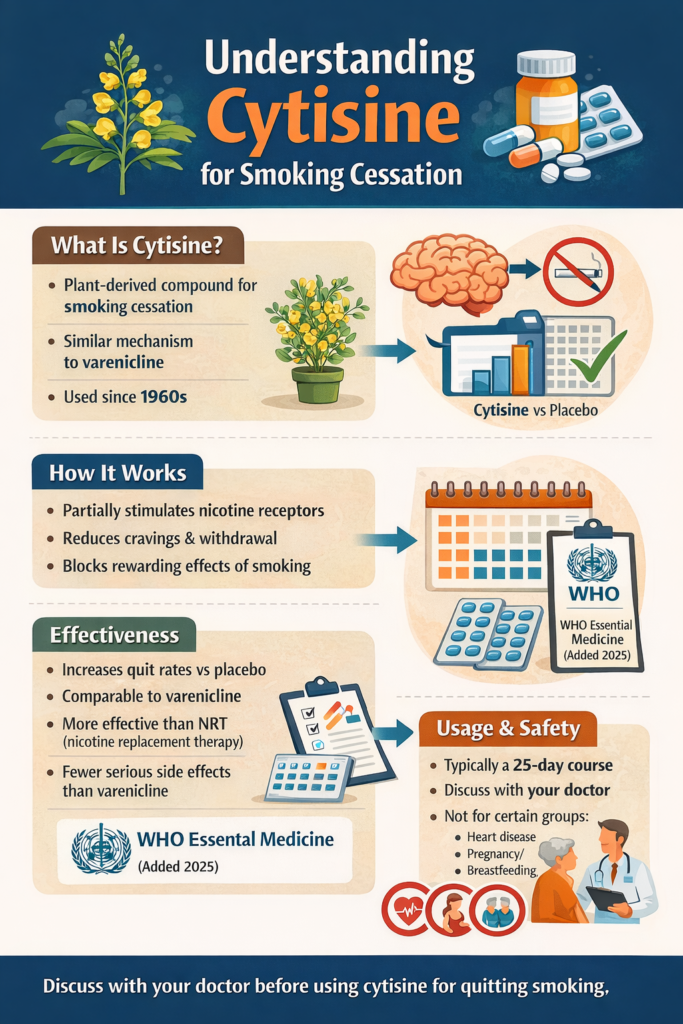
    If you are looking for an effective nicotine-free treatment to help you quit smoking, you may have recently heard about cytisine. Although it has only recently been recognized in countries such as the United Kingdom and North America, this plant-derived substance has been used successfully for decades by millions of people in Central and Eastern Europe, making it one of the oldest and most reliable ways to quit smoking

    What Exactly Is Cytisine?

    Cytisine is a naturally occurring plant alkaloid, a chemical substance extracted primarily from the seeds of plants in the Cytisus and Laburnum genera (like the Golden Rain acacia, which gets its name from its beautiful yellow flowers). It is usually referred to by its generic names cytisine or cytisinicline.

    Like nicotine, cytisine is a natural insecticide: it kills insects by acting on their nervous system, and it also acts on the human nervous system. Its mechanism of action is similar to that of the popular prescription medication varenicline (Chantix/Champix). Cytisine works by acting as a partial agonist at the nicotinic acetylcholine receptors in the brain—the same receptors that nicotine targets. Its action serves two critical purposes: it reduces nicotine cravings and withdrawal symptoms by partially activating these receptors, and it blunts the rewarding effect of smoking by blocking nicotine from fully binding to nicotinic receptors if you have a cigarette. Essentially, it “tricks” your brain into feeling like you’ve had some nicotine, making the experience of smoking less satisfying.

    A Long History of Use

    Cytisine is not a new discovery. It was first isolated in 1865, and during World War II, it was reportedly smoked by German and Russian soldiers as an accessible, cheap substitute for tobacco. However, its formal use as a pharmaceutical smoking cessation aid began in 1964, when the Bulgarian company Sopharma first marketed it under the brand name Tabex. Since the 1970s, it has been widely available and highly popular across many Central and Eastern European countries. Its extensive and long-term use has provided substantial data on its safety and effectiveness.

    How Effective Is Cytisine?

    The evidence supporting cytisine’s efficacy is strong and growing. Rigorous modern studies and meta-analyses have consistently demonstrated that smokers who use cytisine are about 1.3 times to 1.75 times more likely to achieve long-term abstinence compared to those using a placebo. Even with its typical short treatment course, cytisine has been found to be as effective as varenicline, and more effective than NRT (nicotine replacement therapy). ALso, cytisine leads to a decrease in the number of people reporting serious adverse effects compared to varenicline.

    Given its efficacy and low cost, cytisine is often cited by public health experts as a medicine with the potential to have a major global impact on smoking rates. Cytisine was recently (2025) added to the World Health Organization (WHO) list of essential medicines, which could facilitate its adoption in more countries.

    Side Effects and Withdrawal

    The most commonly reported side effects of cytisine are mild to moderate and tend to occur mainly at the beginning of the treatment course before resolving. These may include gastrointestinal issues such as nausea, vomiting, dry mouth, or constipation, as well as sleep disturbances (insomnia or drowsiness), headache, dizziness, increased appetite, and irritability.

    It is important to remember that many of these symptoms—such as irritability, sleep problems, increased appetite and mood changes—are also classical symptoms of nicotine withdrawal. It is important to distinguish between the two.

    Dosage and Treatment Duration

    Cytisine is typically taken as a 1.5mg tablet or capsule and is prescribed as a 25-day complete course of treatment with a gradually reducing dose.

    The treatment schedule is highly specific:

    • Days 1–3: One tablet every 2 hours (Maximum 6 tablets per day)
    • Days 4–12: One tablet every 2.5 hours (Maximum 5 tablets per day)
    • Days 13–16: One tablet every 3 hours (Maximum 4 tablets per day)
    • Days 17–20: One tablet every 5 hours (Maximum 3 tablets per day)
    • Days 21–25: One to two tablets per day (Maximum 2 tablets per day)

    You must stop smoking no later than the fifth day of treatment. Although the standard course is 25 days, some clinical evidence suggests that a longer treatment, up to 12 weeks, may be more effective, but this is not the typical licensed duration.

    Contraindications

    Cytisine is generally not recommended and is contraindicated (should not be used) if you have:

    • A known hypersensitivity (allergy) to cytisine or to any of the excipients in the product.
    • Unstable angina, a recent history of heart attack, or clinically significant heart rhythm issues.
    • A history of recent stroke.
    • Are pregnant or breastfeeding.

    It is also generally not recommended for people under 18 or over 65, or those with severe kidney or liver impairment, due to limited clinical data in these groups. Use with caution is advised for individuals with ischemic heart disease, heart failure, high blood pressure, ulcers, and certain other chronic conditions.

    Main Brands

    Cytisine is authorized for smoking cessation in 34 countries. It is sold under the brand name Tabex since the 1960s (manufacturer: Sopharma in Bulgaria), and more recently Desmoxan (manufacturer: Aflofarm in Poland, and the same product is sold under different brand names in different countries: Defumoxan in Romania, Liberisan in Hungary, Tadocitan in Spain, Asmoken in Austria and Germany, Decigatan in Belgium and the Netherlands, Dextazin in Portugal, and generic Cytisine in the UK). Other brands include Cravv in Canada by Zpharm, and Tactizen in the UK. The Polish firm Adamed Pharma produces cytisine tablets under the brand names Recigar (sold in also in Russia and Ukraine, ), and Cytisinicline Adamed, Glavrinxa and Belnifrem in the UK, distributed by Viatris. In Thailand, the Government Pharmaceutical Organization produces tablets under the brand name Cytisine GPO. In Australia, Quit4Good sells cytisine tablets that dissolve under the tongue, Nicoiq sells oral strips, and QSN sells cytisine tablets under the name NaturQuit. In the USA, the company Achieve Life Sciences conducted several randomized trials with the objective of obtaining FDA approval for its cytisinicline product. In some other countries, cytisine is not available as a commercial product, but is available as a compounded magistral preparation dispensed by pharmacists on medical prescription. There are probably other brands and manufacturers, so please leave a comment if you know of any.


    Important: If you are considering using cytisine to quit smoking, it is essential to discuss this with your doctor beforehand to ensure that it is the most appropriate and safest choice for you. Only use cytisine if prescribed by a doctor; do not purchase it online without a prescription.


    Read an comprehensive summary on cytisine here.

    The Stop2smoke website provides information on other smoking cessation medications, such as varenicline or Nicotine Replacement Therapy (NRT)


    References:

    Cytisine. By Robert West, Magdalena Cedzyńska and Andy McEwen, with contributions from Julia Robson, Lou Ross. Editor: Andy McEwen. UK National Centre for Smoking Cessation and Training (NCSCT): March 2025 (PDF).

    Livingstone-Banks J, Fanshawe TR, Thomas KH, Theodoulou A, Hajizadeh A, Hartman L, Lindson N. Nicotine receptor partial agonists for smoking cessation. Cochrane Database of Systematic Reviews 2023, Issue 6. Art. No.: CD006103. DOI: 10.1002/14651858.CD006103.pub9. Accessed 14 December 2025.

    Walker N et al. Cytisine versus nicotine for smoking cessation. New England Journal of Medicine. 2014; 371(25): 2353–2362

    Tutka, P., Vinnikov, D., Courtney, R. J., and Benowitz, N. L. (2019) Cytisine for nicotine addiction treatment: a review of pharmacology, therapeutics and an update of clinical trial evidence for smoking cessation. Addiction, 114: 1951–1969. https://doi.org/10.1111/add.14721.


  • Nicotine medications

    Nicotine medications

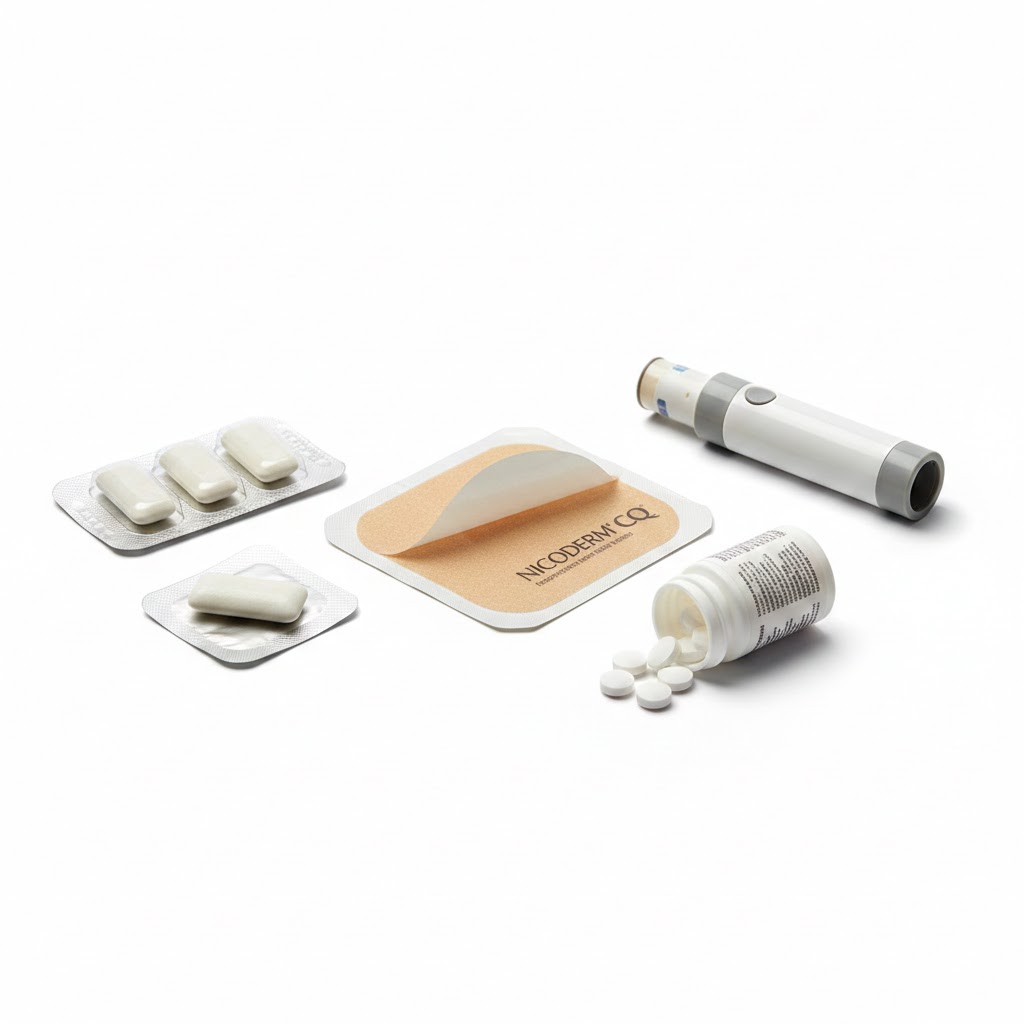
    Nicotine replacement therapies (NRT) are safe and effective, they include :

  • Treatments of tobacco dependence

    Treatments of tobacco dependence

    The firm decision to quit smoking is a necessary first step, but the path to lasting abstinence requires more than willpower alone. Cigarette addiction is a chronic condition, and treating it effectively demands a sophisticated, two-pronged approach that targets both the physical craving and the ingrained behaviors. Thankfully, science has provided a robust arsenal of medications and support strategies.

    Effective Medications:

    The physical aspect of nicotine dependence is addressed through pharmacological treatments that work on the brain’s neurochemistry.

    Nicotine Replacement Therapy (NRT): The most familiar approach, NRT works by delivering clean, controlled doses of nicotine without the thousands of toxic chemicals found in tobacco smoke. This helps to alleviate the acute physical withdrawal symptoms. NRT comes in various forms, including patches (for a steady, all-day supply), gums, lozenges, inhalers, and mouth sprays (for fast relief during intense cravings). Combining a long-acting product, like the patch, with a short-acting product, such as the gum or lozenge, is often the most effective way to manage both basal cravings and breakthrough urges.

    Prescription Medications: Three prescription medications are highly effective.
    Varenicline, often considered a first-line therapy, works by partially activating the same nicotine receptors in the brain. This dual action reduces both withdrawal symptoms and the satisfaction or “reward” derived from smoking a cigarette, making smoking less appealing.
    Bupropion, an antidepressant originally, works on different brain chemicals (dopamine and norepinephrine) to help lessen the symptoms of withdrawal.
    Cytisine, a plant-based alkaloid, is also a highly effective and increasingly utilized alternative that acts similarly to varenicline, and is available in many, but not all, countries.

    Behavioral Support:

    While medication handles the physical dependence, psychological and behavioral support is crucial for addressing the years of habits, routines, and emotional associations linked to smoking. This support provides the tools necessary to navigate life without tobacco.

    Cognitive Behavioral Therapy (CBT): CBT helps patients identify the specific triggers—the morning coffee, a stressful meeting, a social setting—that lead to smoking. A therapist works with the individual to develop tailored coping mechanisms and strategies to break these conditioned responses and prevent relapse.

    Motivational Interviewing (MI): This client-centered counseling style is particularly useful for smokers who are ambivalent or uncertain about quitting. MI avoids confrontation and instead uses a collaborative approach to help the person explore their own reasons for change, building intrinsic motivation and confidence in their ability to succeed.

    The Synergy of Combined Treatment:

    The consensus among health professionals is clear: combining medication with behavioral support offers the highest chance of long-term success. Medication tackles the neurobiological drive, and support addresses the psychological and behavioral patterns. Used together, the two methods provide a protective shield that is significantly stronger than either approach used alone. Studies suggest that this combined therapy can almost double the odds of successfully quitting compared to an unaided attempt.

    Addressing Common Reservations About Medications:

    Despite the clear evidence, many smokers hesitate to use cessation medication, often due to persistent myths.

    Objection: “If I really wanted to quit, I could do it with willpower alone.”

    Response: This objection misunderstands the nature of addiction. Nicotine dependence is a complex, chronic condition involving neurochemical changes, not a failure of character. Medication helps correct the chemical imbalance, leveling the playing field so willpower has a real chance to work. Only a small fraction of unaided attempts are successful in the long term.

    Objection: “The side effects of the medication are more dangerous than smoking.”

    Response: This is unequivocally false. Smoking exposes the body to thousands of toxins and carcinogens, causing cancer, heart disease, and lung disease. The approved cessation medications, while they may have minor side effects (like nausea or vivid dreams), are used for a short, therapeutic duration and are profoundly safer than continuing to smoke.11 Nicotine in NRT, for example, is delivered without the harmful combustion products that cause the vast majority of tobacco-related illness. Nicotine itself does not cause cancer.

    Accessing Support Beyond the Clinic Walls:

    Effective support is increasingly accessible through various channels.

    Helplines and Quitlines: In many regions, specialized telephone helplines offer free, confidential, one-on-one counseling provided by trained cessation specialists. They are a convenient and highly effective form of behavioral support.

    Group Therapy: Quitting in a group setting can provide a sense of community, shared experience, and accountability, significantly boosting motivation and offering invaluable peer support.

    Online Interventions and Apps: Modern technology has introduced apps and online programs that provide structure, tracking, daily tips, and virtual coaching, offering flexible support that can be accessed anytime and anywhere.

    The Role of Novel Nicotine Products:

    The emergence of e-cigarettes (vaping), heated tobacco products (HTPs), and nicotine pouches has introduced a new dynamic to the quitting conversation. These products are generally seen as less harmful than traditional combustible cigarettes because they eliminate combustion and thus reduce exposure to most toxins.

    E-cigarettes (Vaping): Some regulatory bodies now recommend e-cigarettes as a tool for smoking cessation. The evidence shows that, when used as a complete replacement for cigarettes, nicotine-containing e-cigarettes are more effective than NRT in helping smokers quit. However, health professionals caution that the goal must be complete nicotine cessation, not dual use (smoking and vaping), and the long-term health effects of vaping remain under study.

    Heated Tobacco and Nicotine Pouches: These products are part of the “harm reduction” spectrum. HTPs heat tobacco instead of burning it, and nicotine pouches contain no tobacco leaf, only nicotine and flavorings. While they reduce exposure to some toxicants compared to smoking, they are still addictive nicotine delivery systems. Their role in smoking cessation is debated, but they are often viewed by experts as a less desirable path than using approved medication, which has a clear track record and a defined endpoint for use.

    The most successful treatment is one that is chosen in consultation with a healthcare provider and tailored to the individual’s level of dependence and personal circumstances and preferences, combining medications with behavioral strategies.


    Use the ‘Comments’ field below to share your experience or to suggest improvements to this page.