
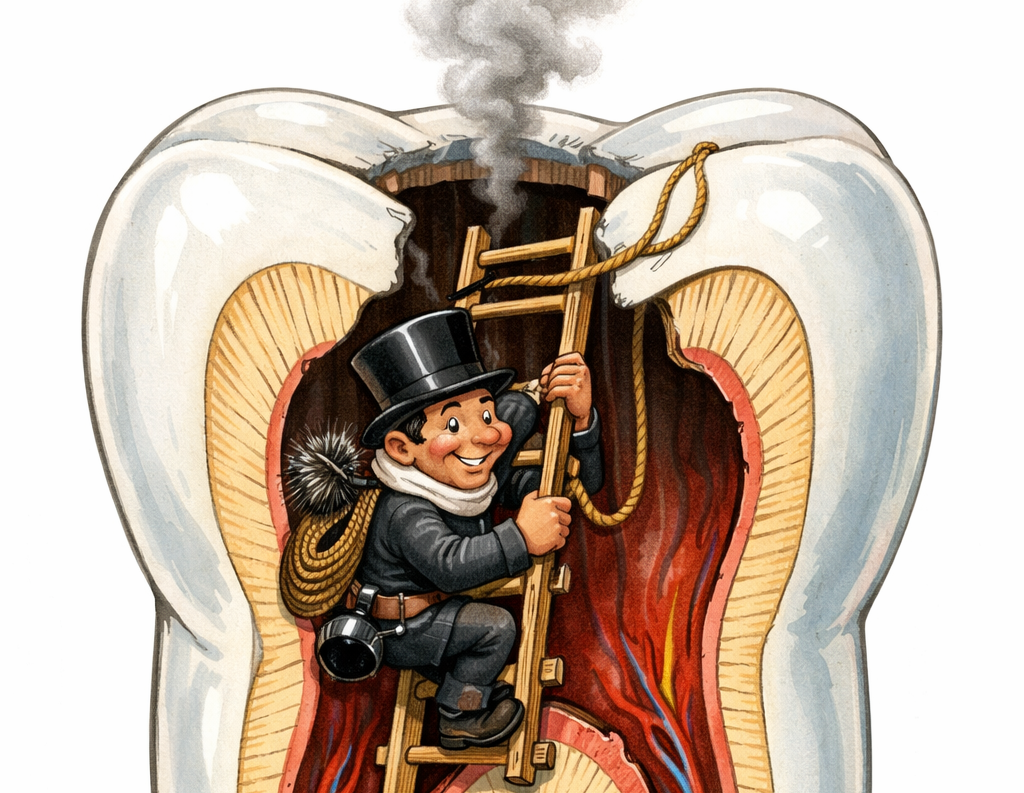
Smoking has direct and devastating effects on the mouth, starting with colored teeth and bad breath, progressing to tooth decay, and potentially leading to cancer.
Why Smoking and Oral Disease Are Linked
The link between smoking and oral health problems stems from the thousands of toxic chemicals found in tobacco smoke. When these chemicals enter the mouth, they disrupt its natural defenses and processes. Nicotine, carbon monoxide, tar, and various carcinogens in cigarettes irritate soft tissues, impair blood circulation, weaken the immune system, and promote the proliferation of harmful bacteria.
Smoking restricts the flow of oxygen and nutrients to the gums and bone, impairing the mouth’s ability to heal and fight off infections. It also changes the composition of saliva, making it less effective at neutralizing acids and washing away food particles and bacteria. This combination of factors creates a hostile environment where oral diseases can flourish, often with greater severity and resistance to treatment.
Dental Problems: Beyond the Stain
The most visible sign of a smoker’s habit is often the yellowish or brownish stains on their teeth, a direct result of tar accumulating on the enamel. However, the damage goes far deeper than aesthetics. Smoking significantly increases the risk of dental caries, or cavities. The altered oral environment, with reduced saliva flow and a shift towards more acid-producing bacteria, creates ideal conditions for tooth decay.
Furthermore, smokers are at a much higher risk for oral cancer. The carcinogens in tobacco smoke directly damage the cells lining the mouth, tongue, lips, throat, and salivary glands, leading to abnormal cell growth. These cancers often present as persistent sores, lumps, or white/red patches that don’t heal, and early detection is critical for survival.
Periodontal Problems: The Foundation Crumbles
Perhaps one of the most insidious effects of smoking is its impact on periodontal health, which refers to the gums and the bone supporting the teeth. Smokers are at a significantly elevated risk for gingivitis (inflammation of the gums) and, more severely, periodontitis.
Smoking masks the classic signs of gum disease. Nicotine constricts blood vessels, meaning smokers often experience less bleeding gums, even when severe inflammation is present. This can lull them into a false sense of security, delaying diagnosis and treatment until the disease has advanced. By the time it’s noticeable, the damage can be extensive.
Periodontitis in smokers progresses more rapidly and is often more severe than in non-smokers. It leads to the destruction of the bone and connective tissues that hold teeth in place, eventually resulting in loose teeth and, ultimately, tooth loss. Smokers also respond less favorably to periodontal treatments and are more prone to recurrence of the disease.
Bad Breath: A Lingering Consequence
Halitosis, commonly known as bad breath, is another prevalent issue among smokers. The lingering smell of stale tobacco smoke itself is a primary contributor. However, the problem is compounded by the drying effect of smoke on the mouth, leading to reduced saliva flow and an increase in odor-producing bacteria. Periodontal disease, also exacerbated by smoking, further contributes to halitosis, as decaying tissue and bacterial buildup release unpleasant sulfur compounds.
Diminished Senses of Taste and Smell: A Muted World
Smoking dulls the senses of taste and smell. The chemicals in tobacco smoke can damage the taste buds and interfere with the olfactory receptors in the nose. Smokers often report that food tastes bland or that they struggle to discern subtle flavors. This reduced sensory perception can diminish the enjoyment of eating and drinking, and for some, it even contributes to unhealthy dietary choices as they seek stronger-tasting foods.
Dry Mouth: A Gateway to Further Issues
Xerostomia, or dry mouth, is a common complaint among smokers. The heat and chemicals in cigarette smoke irritate the salivary glands and can reduce saliva production. Saliva is crucial for oral health; it washes away food particles, neutralizes acids, helps remineralize tooth enamel, and contains antimicrobial agents. A chronically dry mouth leaves individuals more susceptible to cavities, gum disease, fungal infections (like thrush), and difficulty speaking or swallowing.
Safeguarding Your Smile: Oral Hygiene Advice
The most impactful advice for anyone concerned about their oral health and smoking is unequivocal: quit smoking. Cessation immediately begins to reverse many of the damaging effects and significantly reduces the risk of developing further complications.
Beyond quitting, meticulous oral hygiene practices are essential for smokers and former smokers:
- Brush thoroughly twice a day: Use a soft-bristled brush and fluoride toothpaste to gently clean all tooth surfaces and along the gumline.
- Floss daily: Flossing removes plaque and food particles from between teeth and under the gumline, areas a toothbrush cannot reach.
- Regular dental check-ups and cleanings: Visit your dentist at least twice a year, or more frequently if advised, for professional cleanings and examinations. Your dentist can monitor for early signs of oral cancer, gum disease, and other problems.
- Use an antimicrobial mouthwash: A therapeutic mouthwash can help reduce bacteria in the mouth.
- Stay hydrated: Drinking plenty of water helps combat dry mouth and encourages saliva production.
- Maintain a balanced diet: Limit sugary and acidic foods and drinks that can contribute to tooth decay.
- Be vigilant for changes: Any persistent sore, lump, patch, or unusual bleeding in your mouth should be reported to your dentist immediately.
Use the ‘Comments’ field below to share your experience or to suggest improvements to this article.