For decades, nicotine replacement therapy (NRT) has been helping smokers quit. Nicotine gums are designed to treat physical dependence on nicotine by releasing a controlled dose through the oral mucosa, thus avoiding the thousands of harmful chemicals present in tobacco smoke and reducing cravings and other nicotine withdrawal symptoms.
What is Nicotine Gum and How Does It Work?
Nicotine gum is exactly what its name implies: a piece of specially formulated chewing gum containing medicinal nicotine. Unlike regular chewing gum, it is designed to be “parked” between the cheek and the gum after a few chews, allowing the nicotine to be absorbed slowly into the bloodstream. This process helps to smooth out the craving cycles that derail many quit attempts. The active ingredient, nicotine, is present in a polacrilex resin that controls its release. The gum often contains flavorings, sweeteners, and buffering agents to facilitate absorption and manage taste.
Crucially, the gum’s approval extends beyond simply quitting cold turkey. It is also sanctioned for smoking reduction, allowing highly dependent smokers to cut back their cigarette consumption before fully stopping, and for pre-treatment (or ‘pre-quitting’), where users start the gum a week or two before their target quit date to lower their dependence baseline, thereby increasing the chances of success when the final stop occurs.
Dosage: The Critical Difference Between Success and Relapse
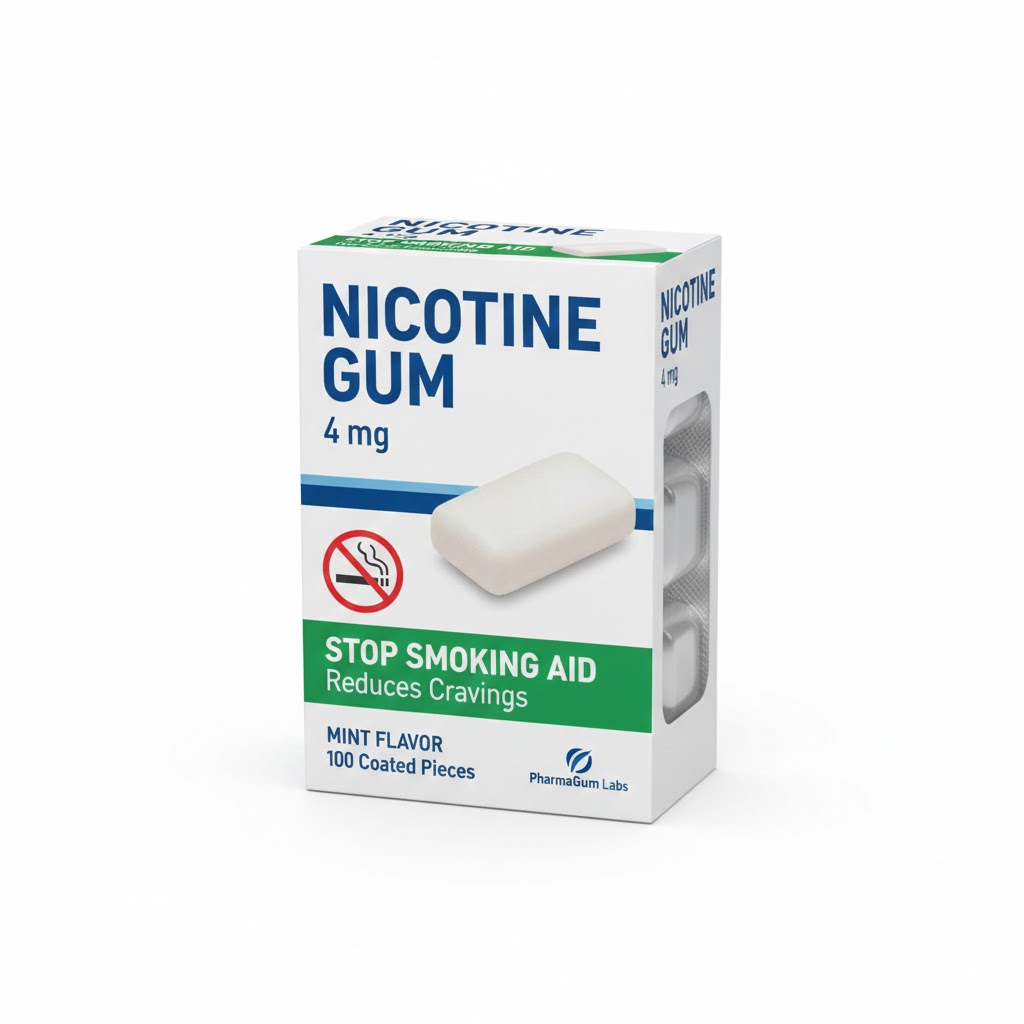
The efficacy of nicotine gum hinges on using the correct strength and quantity. It is available in two main dosages: 2 mg and 4 mg. The choice between these is directly tied to the individual’s level of nicotine dependence, which is typically measured by the time elapsed between waking up and smoking the first cigarette.
Smokers who light up their first cigarette more than 30 minutes after waking are generally advised to start with the 2 mg dose. However, those who smoke their first cigarette within 30 minutes of waking, or who smoke more than 20 cigarettes per day, should begin with the 4 mg strength.
This emphasis on starting with an adequate dose is vital because underdosing is a primary reason for treatment failure. If the nicotine supply is not enough to counteract the withdrawal symptoms—such as irritability, anxiety, intense cravings, and lack of concentration—the smoker’s brain will signal an overwhelming need for a cigarette, often leading to a quick return to tobacco. Healthcare providers often recommend chewing a piece every hour or every 90 minutes initially, or whenever an intense craving strikes, with a typical limit of 15 to 20 pieces per day. The nicotine gum should be chewed slowly for about 30 minutes, alternating between chewing and placing it between the cheek and teeth (“chew and park”).
Duration
The treatment is not meant to be indefinite. A standard course of treatment is about 12 weeks, followed by a gradual reduction. For instance, the user might gradually decrease the total number of pieces chewed per day over several weeks until they are no longer using the gum at all. It is paramount that users do not stop treatment prematurely. Stopping too soon, perhaps out of a false sense of security after a few weeks of success, exposes the person to the full force of lingering cravings and other nicotine withdrawal symptoms, dramatically increasing the risk of relapse. Some individuals may benefit from remaining on the gum for six months or more, as the small, controlled nicotine exposure is infinitely safer than returning to combustion.
Side effects
Side effects are usually mild and related to improper chewing technique. Chewing too fast can release too much nicotine at once, leading to minor stomach upset, hiccups, or a slight burning sensation in the mouth.
Special Populations and Public Health Impact
Nicotine gum is contraindicated for children under the age of 12.
Regarding pregnancy and breastfeeding, the general consensus is that while no nicotine product is entirely risk-free, the use of NRTs—including gum—is overwhelmingly safer than continued smoking. The carbon monoxide and thousands of toxins in smoke pose a massive risk to the fetus and infant, whereas NRT provides pure nicotine in a controlled manner. Use during pregnancy and breastfeeding should always be under medical supervision.
In the broader context of public health, NRTs like the gum represent the gold standard of tobacco harm reduction (THR). They are fundamentally distinct from the controversial use of nicotine delivery systems like e-cigarettes or heated tobacco products, as they are tested, regulated pharmaceuticals with decades of data proving their safety and efficacy for smoking cessation or reduction. The gum’s role is to help people sever the link between nicotine and the lethal practice of inhaling smoke.
Use the ‘Comments’ field below to share your experience with the nicotine gum or to suggest improvements to this article.