
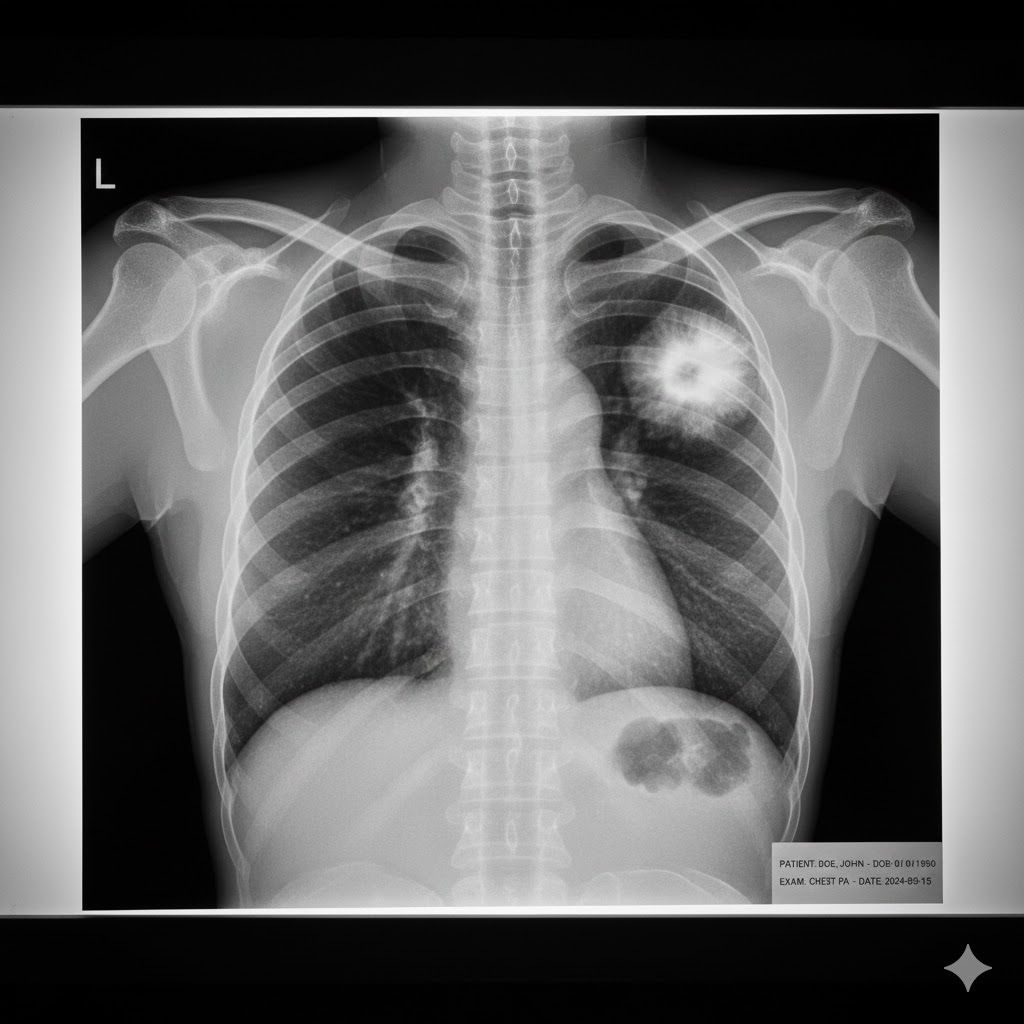
Lung cancer is the leading cause of cancer death in men and women worldwide. The most significant and controllable factor behind this devastating disease is smoking. Understanding the risks, symptoms, and consequences of lung cancer is an important and necessary step in deciding to quit smoking.
What Causes Lung Cancer?
The primary cause of lung cancer is exposure to cancer-causing substances (carcinogens), which inflict damage upon the cells lining the lungs.
Smoking (Cigarettes, Cigars, Pipes) is, by far, the leading risk factor, responsible for about 80% of lung cancer deaths. The risk escalates directly with the total number of years and packs smoked. Carcinogens in tobacco smoke cause immediate and chronic changes to lung tissue; while the body attempts to repair this damage, repeated exposure ultimately causes healthy cells to begin growing out of control.
Furthermore, breathing in secondhand smoke significantly increases the risk of developing lung cancer, even for individuals who have never smoked. Radon Gas, a naturally occurring radioactive gas released from the breakdown of uranium in soil and rock, is the second-leading cause of lung cancer and the leading cause among non-smokers. It can dangerously accumulate in homes, particularly in basements. Workplace Exposures to substances like asbestos, arsenic, chromium, and nickel compounds can also heighten risk, especially for those who also smoke. Previous radiation therapy or a family history of lung cancer are also acknowledged risk factors.
Prevalence, Trends, and the Power of Quitting
While lung cancer remains a major killer, the overall number of new cases and deaths is thankfully decreasing. This positive trend is largely attributed to fewer people smoking or starting to smoke.
Lung cancer kills more people each year than breast, colon, and prostate cancers combined. The general lifetime risk of developing lung cancer is approximately 1 in 17 for men and 1 in 18 for women; however, for those who smoke, this risk is substantially higher.
The most compelling statistic is the Quitting Effect: stopping smoking, even after many years, significantly lowers your risk. The risk of developing lung cancer drops by half within 10 to 15 years after quitting. For those diagnosed with Non-Small Cell Lung Cancer (NSCLC), former smokers have a lower chance of dying compared to current smokers, and the longer the duration of cessation prior to diagnosis, the better the survival outcome.
Recognizing the Symptoms
It is important to understand that many lung cancers do not cause symptoms until they have progressed to a later stage. Seeing a doctor if you experience any of the following persistent signs is crucial for the possibility of earlier detection:
- A new cough that does not go away or gets progressively worse over time.
- Coughing up blood (even a small amount) or rust-colored sputum (phlegm).
- Chest pain that is often more intense with deep breathing, coughing, or laughing.
- Persistent shortness of breath or wheezing.
- Hoarseness.
- Unexplained weight loss or loss of appetite.
- A feeling of being very tired or weak.
- Recurring infections like bronchitis or pneumonia.
Types of Lung Cancer
Lung cancer is mainly categorized into two groups, which require different treatment approaches:
| Type of Lung Cancer | Prevalence | Key Characteristics |
| Non-Small Cell Lung Cancer (NSCLC) | About 87% of all lung cancers. | Grows and spreads more slowly than SCLC. Includes Adenocarcinoma (most common, often found in non-smokers as well), Squamous Cell Carcinoma, and Large Cell Carcinoma. |
| Small Cell Lung Cancer (SCLC) | About 13% of all lung cancers. | Highly linked to heavy smoking; it is rare in never-smokers. It tends to grow and spread very quickly. |
Diagnostic Methods
If lung cancer is suspected, a combination of tests will be utilized for both diagnosis and staging (determining the extent of the cancer).
Imaging Tests such as a Chest X-ray or CT (Computed Tomography) Scan are used to identify suspicious areas. Low-Dose CT (LDCT) is the only recommended screening tool for high-risk individuals (those with a long smoking history, current smokers, or those who quit within the last 15 years, usually aged 50–80). A PET (Positron Emission Tomography) Scan is typically used to check for the spread of cancer to other parts of the body (staging).
A Biopsy is the definitive and only way to confirm a cancer diagnosis. A small sample of tissue is removed using a procedure like a bronchoscopy or a CT-guided needle biopsy. This sample is then meticulously examined under a microscope. Furthermore, Molecular Testing of the biopsy tissue is essential for advanced cases, as it checks for specific gene changes (mutations) that can inform targeted treatment options, particularly for NSCLC.
Treatment and Prognosis
Treatment selection depends critically on the type of cancer, the stage at diagnosis, and the patient’s overall health.
| Treatment Modality | Description |
| Surgery | Often used for early-stage NSCLC to remove the tumor (e.g., lobectomy, pneumonectomy). It is rarely a primary treatment for SCLC. |
| Radiation Therapy | Uses high-energy rays to kill cancer cells. It can be used alone, before or after surgery, or in conjunction with chemotherapy. |
| Chemotherapy | Anti-cancer drugs used to destroy cancer cells throughout the body. This is a primary treatment for SCLC. |
| Targeted Therapy | Drugs that specifically attack certain gene mutations in cancer cells, often used for advanced NSCLC. |
| Immunotherapy | Drugs that stimulate the body’s own immune system to recognize and destroy cancer cells. |
| Palliative Care | Focuses on managing symptoms and improving the patient’s quality of life, especially in later stages of the disease. |
Survival and the Benefit of Early Detection
The prognosis for lung cancer is heavily influenced by the stage at which it is found. Early detection drastically improves survival odds. The statistics below are the 5-year relative survival rates (the percentage of people who live for at least 5 years after diagnosis compared to the general population).
| Overall Survival Rates (All Stages, US data) | 1-Year Survival | 5-Year Survival |
| All Lung Cancer Combined | Approx. 45% (UK data) | Approx. 29.7% (US data) |
| Survival by Stage at Diagnosis (US SEER Data) | 5-Year Survival Rate (NSCLC) | 5-Year Survival Rate (SCLC) |
| Localized (confined to the lung) | 67% | 34% |
| Regional (spread to nearby lymph nodes) | 40% | 20% |
| Distant (spread to distant organs) | 12% | 4% |
The takeaway is clear: catching the cancer when it is Localized—which often occurs through screening for high-risk individuals—results in a significantly better outcome. Quitting smoking today is the single most important action you can take to lower your risk, improve your body’s ability to heal, and increase your chances of a better prognosis if a diagnosis does occur.
Rate this article by clicking on the desired number of stars: (No Ratings Yet)
 Loading...
Please use the “Comments” field below to share your experience or suggest improvements to this article.