
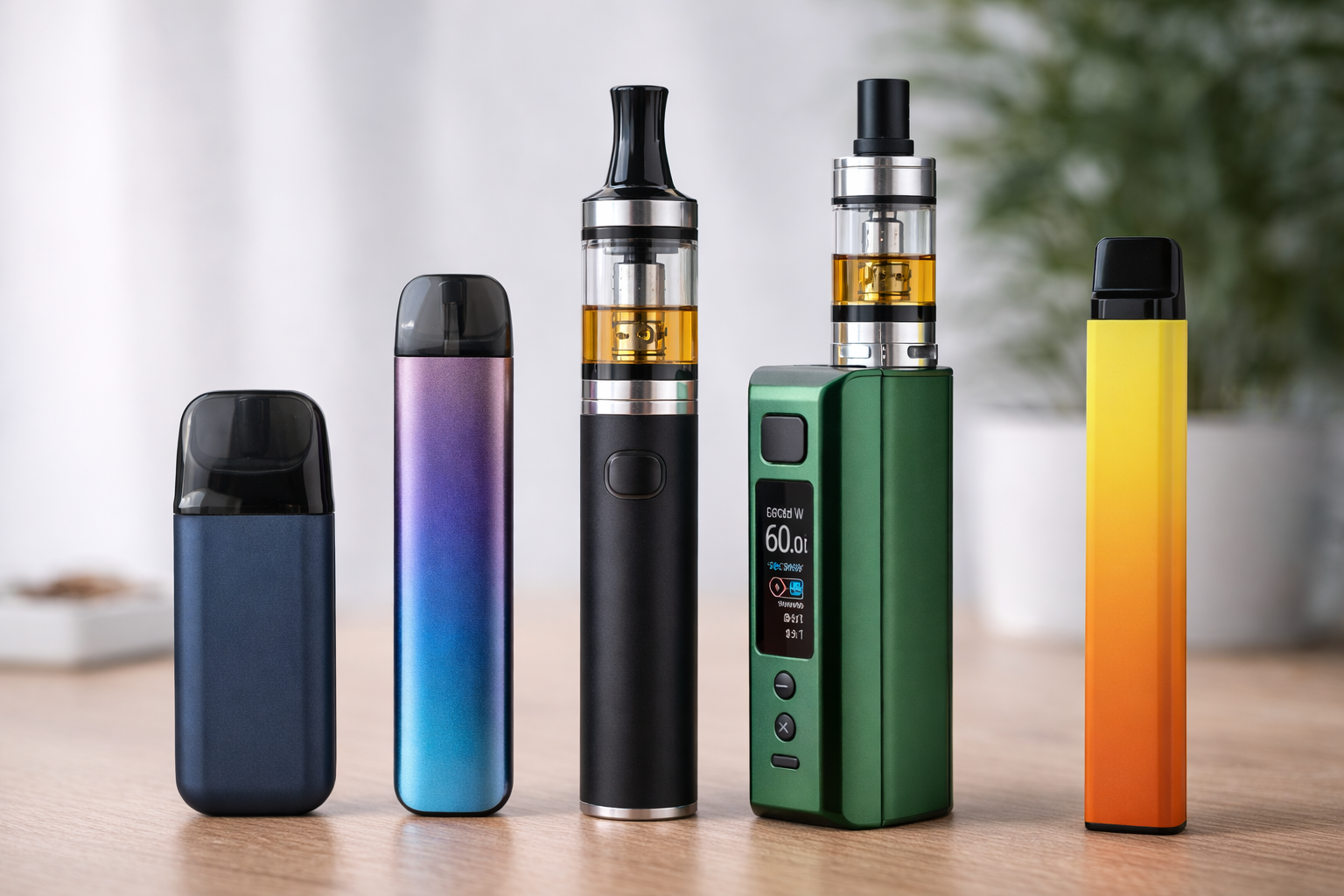
For decades, aids to quit smoking were,limited: counseling, and approved medications like nicotine replacement therapy (NRT). The arrival of e-cigarettes—or vaping—has radically complicated that equation, offering smokers a potentially more effective, yet controversial, tool in their cessation journey. The core debate centers on one critical point: are these devices a vital bridge to a smoke-free life, or are they a Trojan horse that risks creating a new generation of nicotine users?
Efficacy: Vaping vs. Nicotine Medications
The effectiveness of e-cigarettes for smoking cessation has become the subject of intense international research. The most rigorous systematic reviews, which pool data from multiple randomized controlled trials, now provide strong evidence that nicotine e-cigarettes are more effective than traditional NRT (such as patches, gum, or lozenges) at helping people quit smoking entirely.
In absolute terms, research suggests that for every 100 people using nicotine e-cigarettes to quit, 8 to 11 people might successfully stop smoking. This superiority is believed to stem from e-cigarettes’ ability to mimic the hand-to-mouth ritual, the throat hit, and the fast nicotine delivery that smokers are accustomed to, addressing both the chemical and behavioral aspects of addiction simultaneously.
Who Should and Should Not Use E-Cigarettes
E-cigarettes are not a universally recommended :
- Who Should Consider Them: E-cigarettes are primarily recommended for adult smokers who want to stop smoking. For this group, switching completely to vaping nicotine is recognized by many health bodies as significantly less harmful than continuing to smoke combustible cigarettes, as it eliminates tar and carbon monoxide.
- Who Should Not Use Them: The consensus among public health experts is clear: non-smokers, especially young people and never-users of tobacco, should not use e-cigarettes. Nicotine is highly addictive. Furthermore, pregnant women should rely on licensed NRT products under medical supervision as the primary medication path, although some health guidance suggests vaping is still safer than continuing to smoke during pregnancy. Quitting all nicotine is always the healthiest option for never-smokers and pregnant women.
The Most Effective Vaping Devices
The efficacy of e-cigarettes depends heavily on the device type. Smokers who use rechargeable systems with higher nicotine concentrations—often pod devices or tank systems—tend to have greater success in quitting. These devices deliver nicotine more effectively and mimic the rapid “nicotine hit” of a traditional cigarette better than other models. The goal is to provide a satisfying nicotine dose that fully suppresses the cravings for tobacco smoke.
Adverse Effects: What is the Real Risk?
While vaping is widely considered less harmful than smoking because it eliminates combustion and its resulting toxins (tar, carbon monoxide), it is not harmless. The aerosol contains a variety of potentially toxic substances, although in concentrations much lower than in tobacco smoke.
The most commonly reported adverse effects are non-serious, such as throat or mouth irritation, cough, nausea, and headache, which often diminish over time. However, the long-term effects of inhaling heated e-cigarette aerosols and flavorings remain under intense study.
The Absolute Rule: Not One Puff
The crucial step for any smoker attempting to quit with e-cigarettes is total and immediate cessation of combustible tobacco. Using both e-cigarettes and regular cigarettes, known as dual use, is counterproductive as it increases the risk of relapsing to smoking. Smoking even a few tobacco cigarettes a day can still carry substantial health risks. E-cigarettes should be used as a complete, 100% substitute for all smoked tobacco products. Failure to adhere to a zero-tolerance policy for tobacco smoke significantly diminishes your chances of quitting smoking.
The Controversy: A Public Health Paradox
The role of e-cigarettes in public health is fiercely debated. Proponents view them as a game-changing harm reduction tool that saves millions of lives by moving people away from deadly smoke. They point to countries that have embraced vaping and seen rapid declines in smoking rates.
Critics, however, raise serious public health concerns:
- Youth Uptake: The appealing flavors and sleek designs of many e-cigarettes have led to alarming rates of use among adolescents who had never smoked.
- Gateway Effect: There are still concerns that vaping could act as a gateway and increase the likelihood that non-smokers will switch to traditional cigarettes later in life. However, this point is controversial, and not all experts agree that there is a significant gateway effect. They point to the declining prevalence of smoking among young people in countries where vaping among young people is on the rise.
- Permanent Dependency: There is worry that many successful quitters may remain dependent on the e-cigarette indefinitely, which, while safer than smoking, is not risk-free.
E-cigarettes present policymakers and individuals with a difficult trade-off: they must weigh the proven health risks of smoking against the uncertain risks of long-term nicotine vaping. For current smokers, however, the emerging scientific consensus offers a pragmatic choice: switching completely to a non-combustible product is far healthier than smoking.
Use the ‘Comments’ field below to share your experience with e-cigarettes or to suggest improvements to this page.
Rate this article by clicking on the desired number of stars: (1 votes, average: 5.00 out of 5)
 Loading...