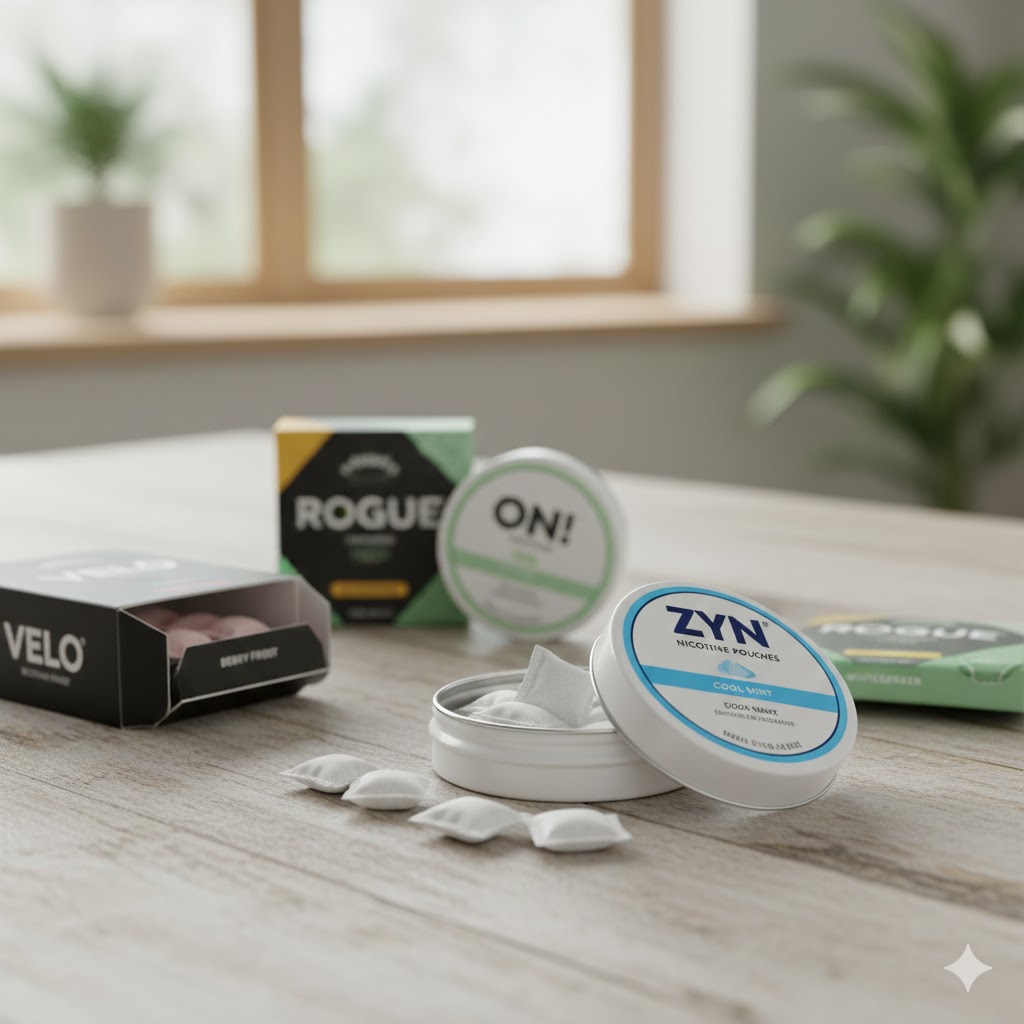
In the evolving landscape of nicotine products, a new contender has emerged: the nicotine pouch. These small, often mint-flavored sachets offer a smoke-free, vapor-free nicotine experience. But what exactly are these pouches, and do they represent a genuine step forward in public health?
What is a nicotine pouch?
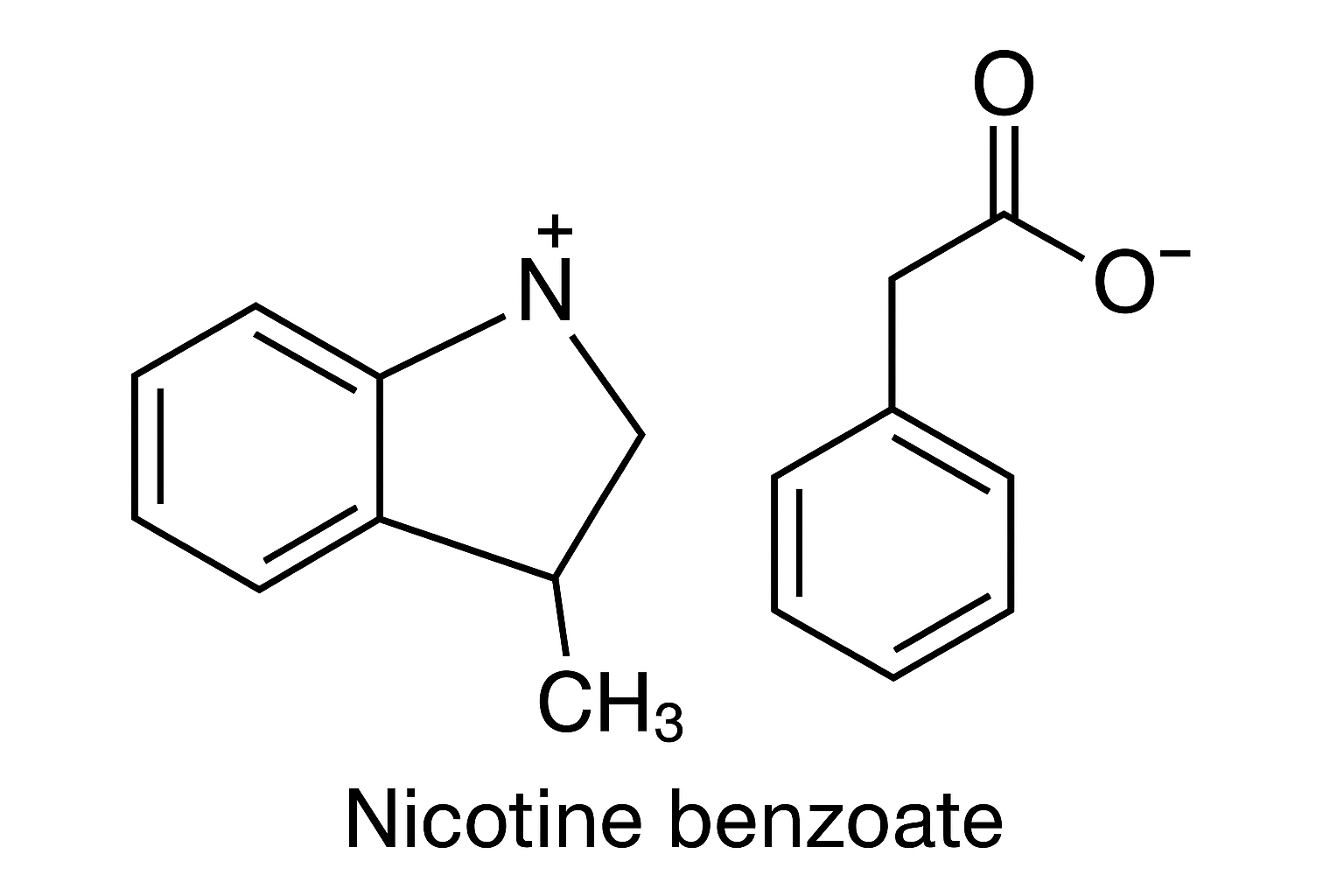
Nicotine pouches are designed for oral use, placed between the gum and lip where nicotine is absorbed through the lining of the mouth. Unlike traditional chewing tobacco or snus, they are tobacco-free. Instead, they contain a pharmaceutical-grade nicotine salt, typically derived from the tobacco plant but purified. This nicotine is then mixed with food-grade fillers, flavorings – ranging from refreshing mint to exotic fruits – and sweeteners and pH regulators, all enclosed within a small, permeable cellulose pouch. The absence of tobacco leaf itself is a key selling point, distinguishing them from their predecessors and positioning them as a potentially cleaner alternative. Because nothing is burned or heated, users are not exposed to tar or carbon monoxide, two of the most dangerous byproducts of smoking.
Who should use them and who should not
Public health authorities broadly agree on one point: people who do not already use nicotine should not start. That includes children, teenagers and adults with no history of smoking or nicotine dependence. For these groups, nicotine offers no health benefit. The very nature of nicotine – an addictive substance – means that these pouches should not be used by never-smokers.
The target consumers of nicotine pouches are adult smokers seeking an alternative to cigarettes, and a convenient way to get nicotine in situations where smoking or vaping is not permitted or desired. For individuals already addicted to nicotine through other means, switching to a tobacco-free product is a logical step toward reducing exposure to harmful combustion chemicals.
Nicotine pouches are comparable to nicotine gum or lozenges, though they are sold as consumer products rather than medical therapies. This difference matters, because nicotine replacement therapies are regulated, dosed, and usually accompanied by guidance on quitting, while pouches are marketed for ongoing use.
Toxicity and Side Effects
The toxicity and side effects of nicotine pouches, while less severe than those associated with smoked tobacco, are not negligible. Nicotine itself is a potent chemical, and its rapid absorption can lead to addiction and to symptoms like nausea, hiccups, and gum irritation. There is also the potential for accidental ingestion by children, which can lead to nicotine poisoning requiring urgent medical attention.
Are nicotine pouches effective for smoking cessation?
As for their effectiveness in helping people quit smoking, the evidence remains limited. Unlike nicotine patches or prescription medications, nicotine pouches have not been widely studied in randomized clinical trials for smoking cessation. While some users report successfully transitioning from cigarettes to pouches, and even subsequently reducing their overall nicotine intake, these products are not officially recognized as smoking cessation aids by major health authorities like the FDA or the NHS. They are primarily nicotine delivery systems, and while they might reduce exposure to other harmful chemicals in tobacco smoke, they perpetuate nicotine dependence. Nevertheless, they are very similar in their usage and nicotine delivery to nicotine gums, which are effective smoking cessation aids and have few side effects.
The Harm Reduction Controversy
On a population level, the rise of nicotine pouches presents a familiar dilemma for public health officials. If large numbers of smokers fully switch from cigarettes to pouches, overall disease and death from smoking-related illnesses could decline. Sweden is often cited in this context, as it has one of the lowest smoking rates and lung cancer rates in Europe, alongside widespread use of oral nicotine products. Whether that experience can be replicated elsewhere remains an open question.
This brings us to the heart of the controversy: their public health impact and the concept of “harm reduction.” Proponents argue that by offering a less harmful alternative to combustible tobacco, nicotine pouches can play a role in reducing the immense burden of smoking-related diseases. They suggest that giving smokers a safer way to consume nicotine is better than smoking. Critics, however, fear that these products could undermine public health efforts to denormalize nicotine use. They worry about the risk of attracting a new generation of users who might otherwise never have experimented with nicotine.
Please rate this article by clicking on the desired number of stars: (No Ratings Yet)
 Loading...
Please use the “Comments” field below to share your experience or suggest improvements to this article.